Last Updated: October 21, 2026
Last Updated: October 21, 2026





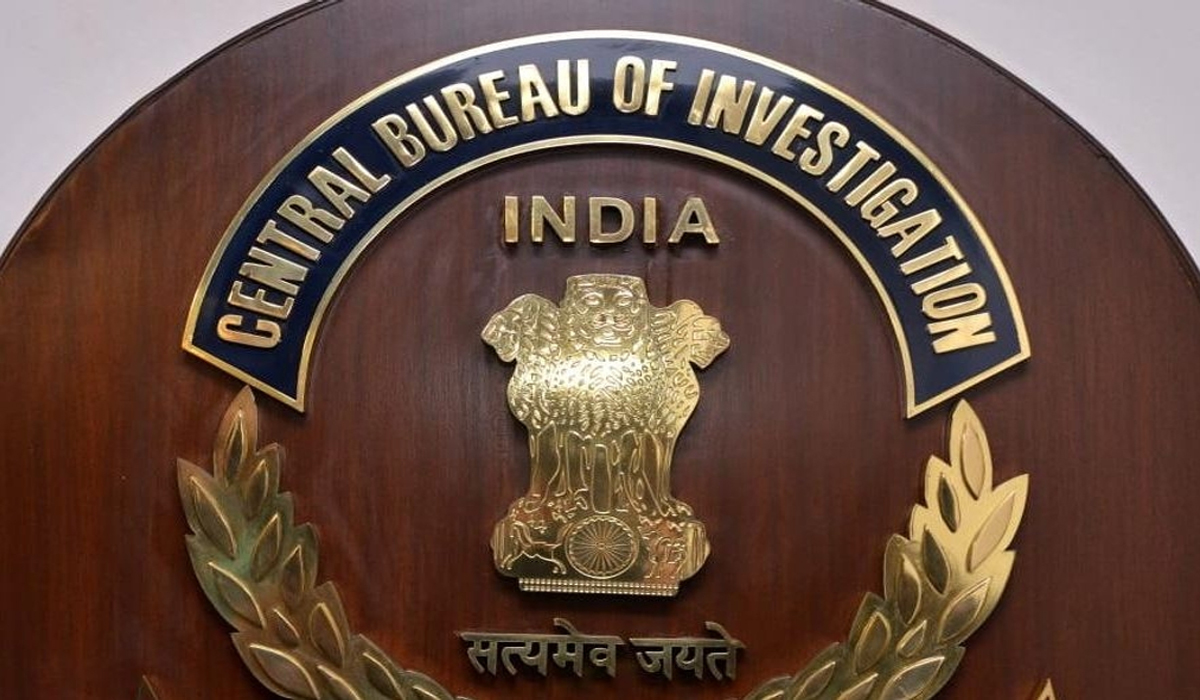
India faces a surge in international cybercrimes, despite priding itself on digital power. As scientists develop advanced AI, this technology offers greater convenience to citizens, but equally enables fraudsters. Notably, mobile phones have transformed into universal social tools, with statistics indicating that India now experiences the highest number of cybercrimes globally.
Cybercrimes in India, particularly digital arrest scams, remain uncontrolled and continue to deprive people of their earnings. The Supreme Court recently identified digital arrest as the most dangerous cybercrime and requested the RBI to report its progress on using AI to trace and freeze accounts held by criminals. Chief Justice Surya Kant and Justice Joymalya Bagchi directed that all non-NDA-ruled state governments, especially West Bengal, Tamil Nadu, Karnataka, and Telangana, must allow the CBI to investigate such cases in their jurisdictions.
AI or machine learning techniques should be used to detect such fraud. The Supreme Court also stated that cybercriminals mostly target senior citizens and siphon off their life savings in a matter of minutes. For this, the CBI, not the local police, will now have to take the lead in investigating this matter. In our view, the evolving and diverse forms of cyber fraud make the problem even more concerning.
Even during the intensive revision of voter lists being conducted by the Election Commission in 12 states, reports of innocent voters being defrauded have begun to emerge. The Supreme Court is right in its view that suppressing these crimes is no longer within the power of the local police; the CBI will now have to take the lead in teaching cybercriminals a lesson.
Four more people, including two women, have been arrested in the Tiger Shroff firing case. Delhi Police are...
We are very proud that at present India is the number one country in the world by surpassing...

Every investor wants the wealth-creating power of equity and the reassuring stability of debt. Balanced Advantage Funds attempt...

Tourism is a major source of government revenue in our country. There are different types of tourism. Scenic...

Good Evening Viewers! Catch up on the day's biggest stories with The Savera Times Evening Bulletin. Get the...

Congress leaders continued their protest outside the Jaipur Police Commissionerate on Tuesday, demanding the registration of a zero...
Aries: The day will be auspicious...