Last Updated: October 20, 2026
Last Updated: October 20, 2026





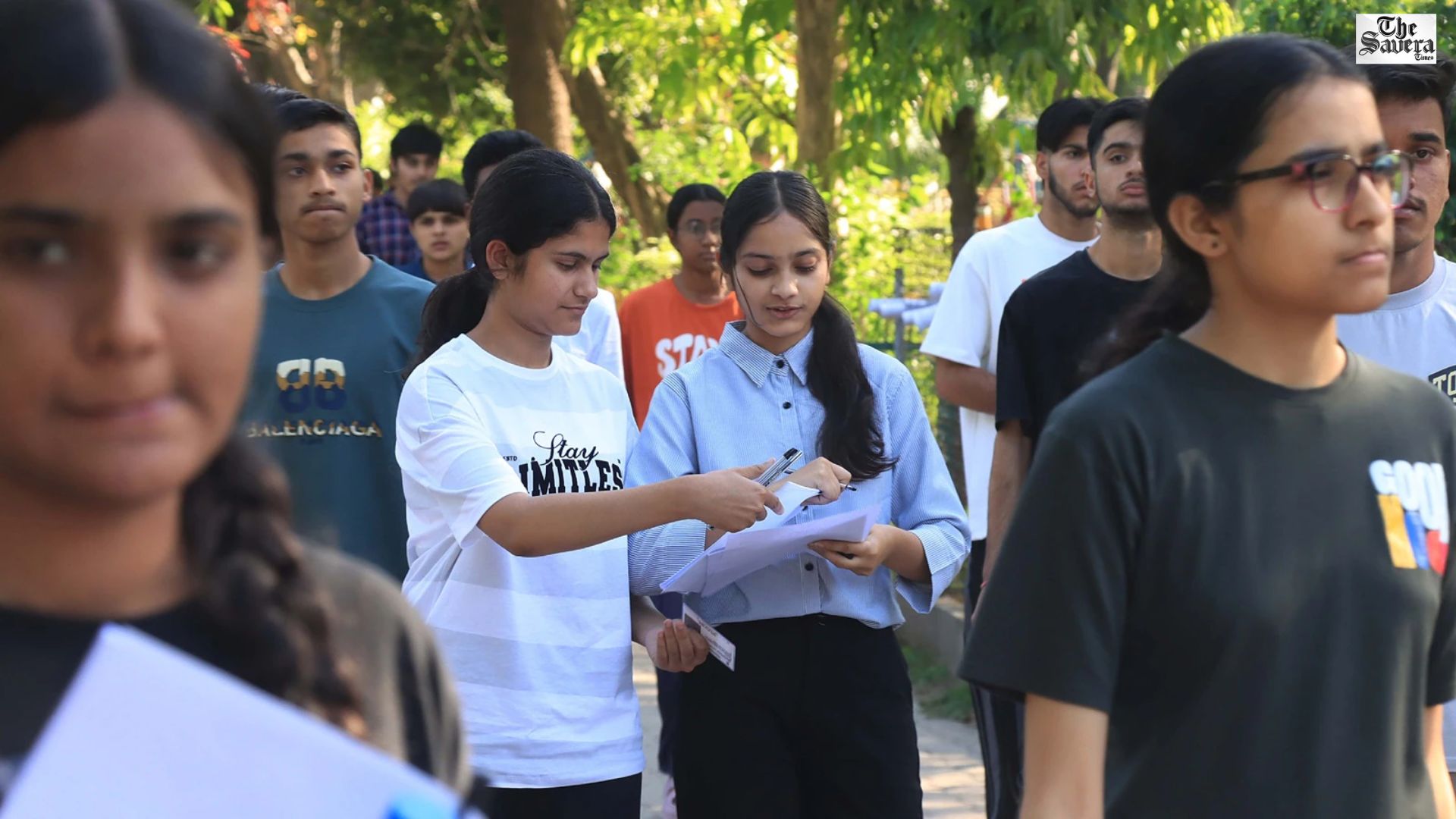
New Delhi: The Central Board of Secondary Education has introduced a new three-language rule for Class 9 students from July 1, 2026, leading to confusion and concern among schools, parents and teachers in Delhi. Under the new policy, students must study three languages, with at least two being Indian languages.
The Delhi High Court has quashed the Central Information Commission's (CIC) order to make public the records of...

The judicial custody of Cockroach Janata Party (CJP) leaders Ashutosh Ranka and Saurav Das was extended by two...

Jamia Millia Islamia (JMI) has formed a seven-member committee to negotiate with students protesting for the reinstatement of...

CJP leaders Saurav Das and Ashutosh Ranka are due to appear before a Special Executive Magistrate at 2...

Delhi-NCR is experiencing a slight morning and evening chill, but the dry spell could worsen pollution, with the...

When American singer Mary Millben made an explosive claim about the Delhi protests, alleging that the Cockroach Janata...

Aries: The day will be auspicious...