Last Updated: October 3, 2026
Last Updated: October 3, 2026





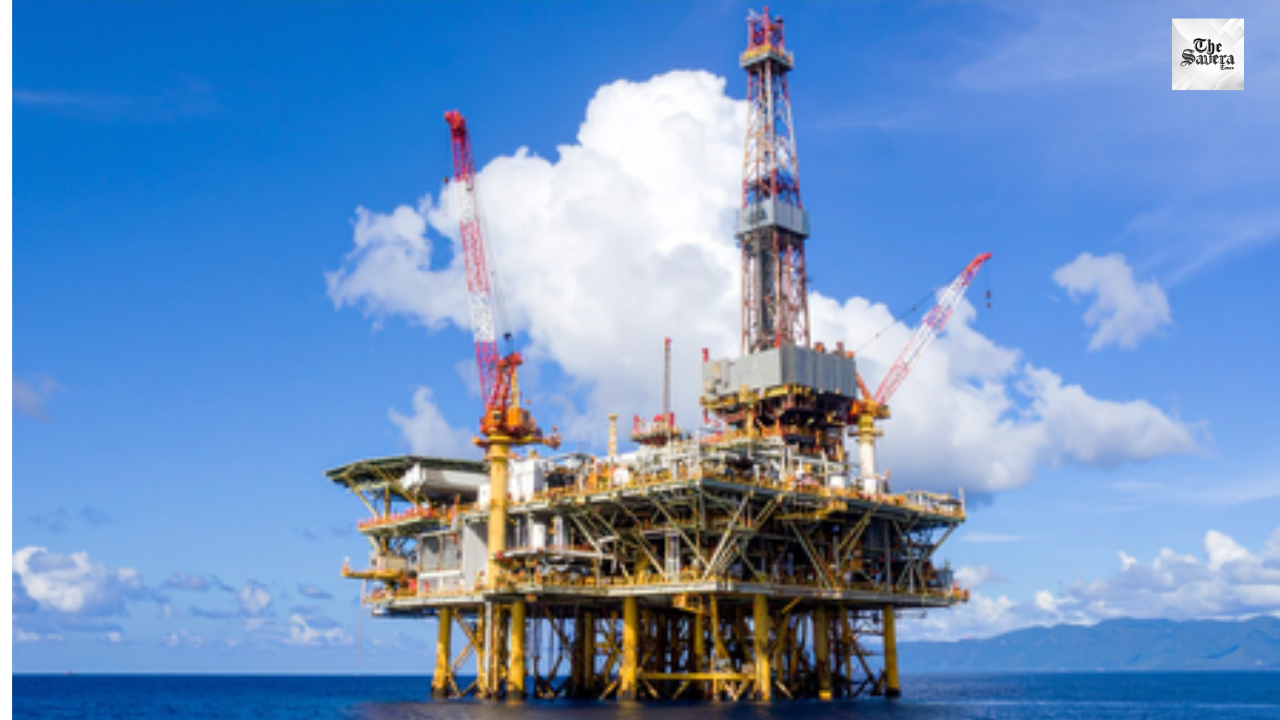
Oil prices plummeted and U.S. stock futures surged after U.S. President Donald Trump called off his threat of devastating attacks on Iran. U.S. crude oil futures recorded a decline of more than 15%. By 8:05 p.m. U.S. time, S&P 500 futures were up 2.2%, while Dow futures saw a gain of 930 points, or 2%.
Late Tuesday night, Trump stated that he was temporarily suspending his threats to attack Iranian bridges, power plants, and other civilian targets. This is contingent upon Tehran agreeing to a two-week ceasefire and to reopen the Strait of Hormuz. Iran’s Supreme National Security Council announced that it had accepted the two-week ceasefire, and its Foreign Minister stated that ships would be permitted to pass through the strait under Iranian military supervision for the next two weeks.
U.S. Crude Oil Futures Drop to $96.55 Per Barrel
U.S. crude oil futures fell 14.5% to $96.55 per barrel. However, this price remains significantly higher than it was at the onset of the conflict. Earlier, during regular trading hours, U.S. stock markets experienced significant volatility. This uncertainty intensified after Trump issued a threat warning that if Iran failed to meet his deadline for reopening the Strait of Hormuz (8 p.m. Eastern Time), “an entire civilization will die tonight—one that will never return.”
Initially, the S&P 500 had dropped by as much as 1.2%, but the market staged a recovery by the close of trading. This rebound occurred after the Prime Minister of Pakistan urged Trump to extend the deadline by an additional two weeks, while also appealing to Iran to reopen the strait. The S&P 500 recouped all its losses and closed with a modest gain of 0.1%. The Dow Jones fell 85 points, or 0.2%, while the Nasdaq rose 0.1%.
Parties Agree to Ceasefire; Oil Prices Decline
Market fears centered on the concern that prolonged supply disruptions would keep oil prices elevated, triggering a painful wave of inflation across the global economy.
Trump kept traders on edge by issuing threats to strike Iranian power plants, only to repeatedly extend the deadlines.
A year ago, Trump finally withdrew the harsh tariffs (taxes) he had threatened to impose on imports from other nations; however, these rates remained higher than they were prior to the start of his second term.
In the bond market, news of a potential ceasefire led to a decline in Treasury yields. The 10-year Treasury yield fell from 4.30% at the start of Tuesday to 4.24%. However, this remains significantly above the pre-conflict level of 3.97%. This rise has driven up interest rates on mortgages (home loans) and other forms of credit for American households and businesses, thereby slowing the pace of economic activity.
Washington: US President Donald Trump warned South Korea that it could face a higher price if it does...
Washington: A Hindu temple in Ohio’s Greater Cleveland area was attacked with bricks that shattered windows while priests...

A Chinese-run networking club, targeting business and political elites in Brussels, bears the hallmarks of an influence and...

~Abhishek Vij Indian pilot Smit Machar averted a tragedy with his bravery in such a way that the...

Bangladesh has come under renewed scrutiny over allegations of immigration officials subjecting unmarried women travelling abroad to intrusive...

The Reserve Bank of India has appointed Sudhakar Malli as Executive Director with effect from October 1. He...
Aries: The day will be auspicious...