Last Updated: October 26, 2026
Last Updated: October 26, 2026





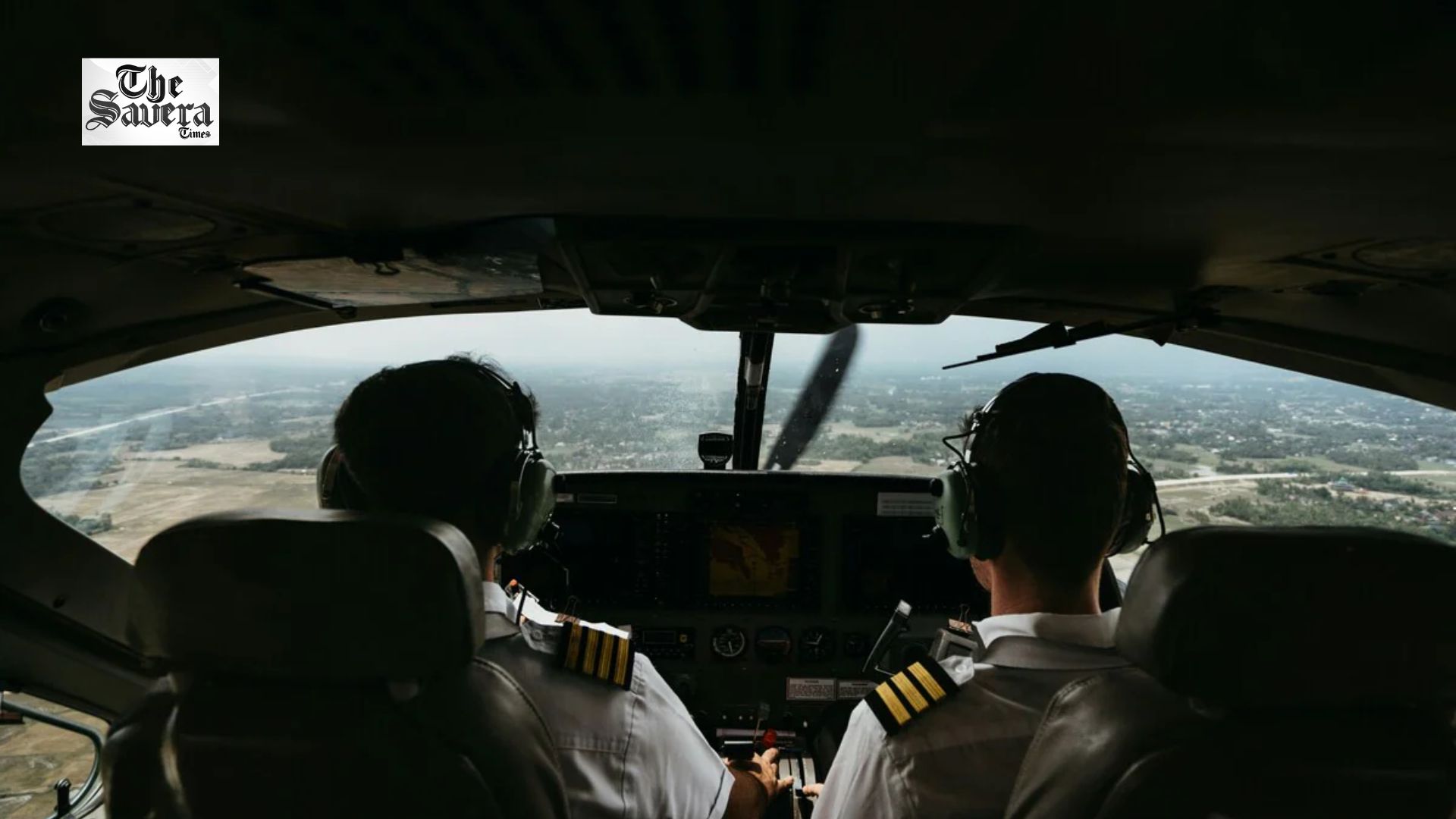
New Delhi: The government is considering stricter drug-testing rules for pilots following the Air India Phuket-Delhi flight incident, with Civil Aviation Minister Ram Mohan Naidu Kinjarapu saying every pilot could be required to undergo a random dope test at least once a year.
The Directorate General of Civil Aviation (DGCA) is currently reviewing the existing framework for testing flight crew for psychoactive substances.
At present, regulations require random testing of 10 per cent of the overall pilot population every year. Under the proposed system, the coverage could be expanded to 100 per cent, ensuring that every pilot is tested at least once annually at an unpredictable time.
However, the government has not taken a final decision. The DGCA is examining the safety benefits of expanded testing as well as its possible operational impact on airlines.
Proposed New Pilot Dope Testing Rules
Speaking about the proposal, Naidu said there were several ways to strengthen the existing dope-testing system.
The minister said the DGCA was consulting stakeholders on a model under which every pilot would undergo testing once during the year, with the timing kept random.
He said the government would need to balance aviation safety with the operational challenges that expanded testing could create for airlines.
The proposal comes amid heightened scrutiny of pilot fitness following the Air India Phuket-Delhi incident on August 4, in which the pilot-in-command subsequently tested positive for marijuana in a confirmatory test.
What Happened on Air India Phuket-Delhi Flight?
The incident involved Air India flight AI2379, an Airbus A320neo operating from Phuket to Delhi. The aircraft suddenly lost around 300 feet of altitude while in cruise before stabilising and landing safely in Delhi.
The sudden altitude change left 24 people injured, including 20 passengers and four crew members, according to reports.
Both pilots underwent prescribed post-flight psychoactive substance screening. The pilot-in-command’s initial test required confirmatory testing, following which his sample was sent to a designated laboratory.
The subsequent confirmatory test returned positive for marijuana. The DGCA removed both pilots from the duty roster pending the investigation and completion of prescribed procedures.
The incident has raised questions over whether the existing system, which randomly tests only a portion of pilots each year, is sufficient to detect substance use and ensure flight crew fitness.
Pilot’s Sleep Difficulties Under Probe
The incident has also drawn attention to the pilot’s reported health and medication history.
According to reports citing people familiar with the investigation, the pilot told the Aircraft Accident Investigation Bureau (AAIB) that he had been experiencing sleep difficulties due to personal circumstances and had been prescribed medication by a family doctor.
However, the reported use of sleep medication and the positive marijuana test are separate issues. The AAIB investigation is continuing to examine the circumstances surrounding the flight.
AAIB Probe Continues
Naidu said the AAIB is handling the investigation and that the aircraft’s data recorder remains intact.
The aircraft has also remained available to investigators, which could allow a preliminary report to emerge relatively soon, he said.
Meanwhile, the DGCA is consulting stakeholders on rules governing substance use among pilots.
The government is considering multiple approaches rather than automatically moving to universal testing. The final framework will take into account aviation safety requirements as well as the practical impact on airline operations.
Two people died after a building's existing roof and a newly laid slab collapsed during construction at Milan...
India will host the 12th BRICS Parliamentary Forum at Samvidhan Sadan in New Delhi on October 26 and...

A second assault in three the representative of Dalai Lama in South Africa, is being seen as yet...

It is quite intriguing that 'Free Kashmir' posters and slogans keep appearing on university campuses and at political...
Water storage in India's 178 major reservoirs fell by nearly 3.5 billion cubic metres in seven days, with...

For generations, India’s lighthouses were places people saw from a distance. Standing at the edge of the sea,...

Aries: The day will be auspicious...