Last Updated: October 24, 2026
Last Updated: October 24, 2026





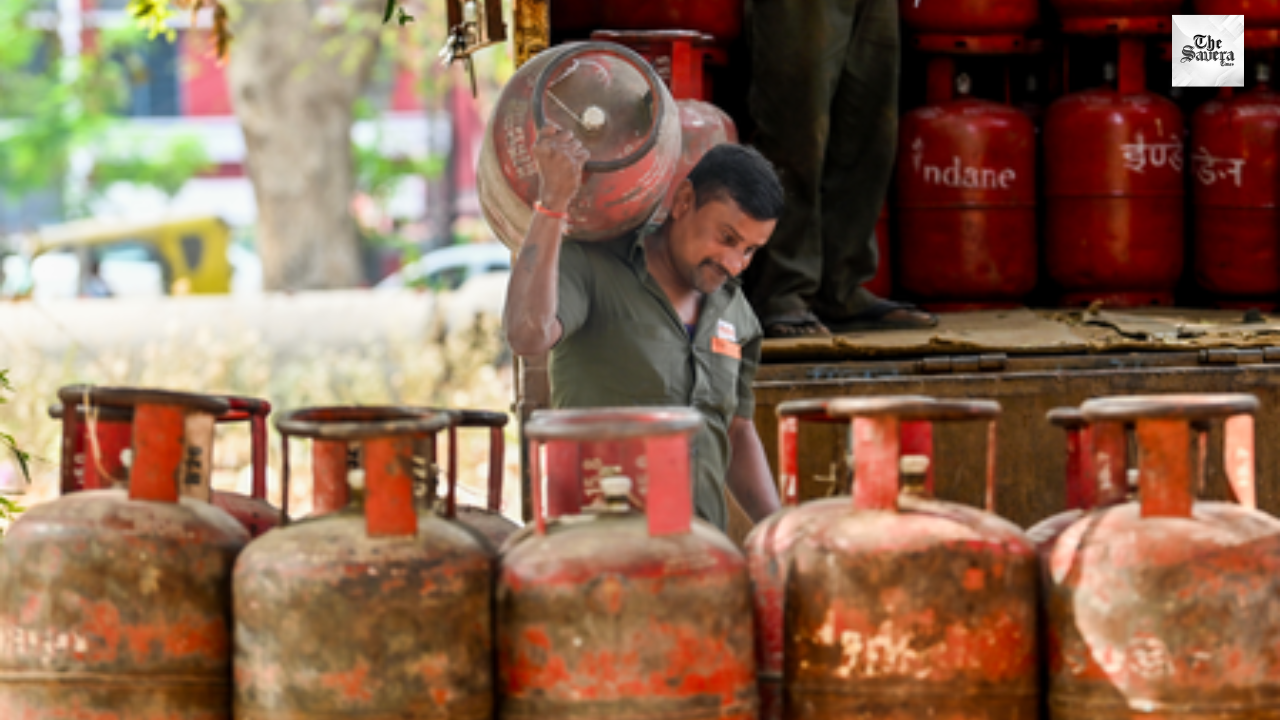
New Delhi — In a move aimed at easing pressure on liquefied petroleum gas (LPG) supplies amid global supply chain challenges, the government has advised city gas distribution (CGD) firms to prioritise piped natural gas (PNG) connections for commercial entities. The advisory is meant to ensure stable energy access for businesses like hotels, restaurants and canteens that traditionally depend on LPG.
Officials say the escalation of the West Asia crisis a key source region for energy imports has impacted global fuel flows, prompting authorities to rethink how energy is distributed domestically. PNG, delivered through pipelines, is seen as a reliable alternative to cylinder‑based LPG for sectors where networks are already in place.
The Petroleum and Natural Gas Regulatory Board (PNGRB), which oversees city gas infrastructure, has asked CGD entities such as Indraprastha Gas Limited (IGL), Mahanagar Gas Ltd (MGL), GAIL Gas and BPCL Gas to increase focus on commercial PNG rollouts. Companies are encouraged to shorten the gap between application and supply commencement so that businesses can shift to PNG without long waits.
Sources indicate that CGD companies are also offering incentives including discounted connection charges to make PNG more attractive to commercial consumers. This is part of a broader push to boost the number of connections where pipeline coverage already exists.
To support the initiative, the Centre has also requested state governments and Union Territories to expedite pipeline approvals and related clearances. The goal is to ensure that where gas network infrastructure is available, connections are not held up by bureaucratic delays.
In fact, officials have said that measures such as easing local permissions and reducing procedural bottlenecks are critical to scaling up PNG coverage quickly. Those states that help accelerate the rollout may also receive additional support, including extra LPG allocations for commercial use as an incentive.
The push for greater PNG connections comes at a time when LPG supply chains are under stress but have not collapsed. Government data shows over 13,700 new PNG connections have been issued in recent days, and more than 7,300 consumers have already shifted from LPG cylinders to piped gas. This is partly credited with reducing panic bookings for LPG cylinders.
Despite worries about disruptions linked to geopolitical tensions, authorities report that LPG deliveries to households continue normally, and no fuel dry‑outs have been reported at distributor outlets across the country.
The decision to prioritise commercial PNG is also seen as a way to shield businesses from energy uncertainty. Restaurants, hotels, caterers and similar enterprises have faced challenges during supply dips in LPG, which is often subject to delivery delays. PNG’s continuous supply through pipelines could ensure smoother operations.
Experts believe that expanding PNG adoption not only supports commercial users but also helps manage demand across the fuel sector more efficiently. As India’s energy landscape adjusts to global pressures, policy measures like this may become more common.
Catch up on the biggest developments across India and around the world with The Savera Afternoon Bulletin, covering...

Jamia Millia Islamia has moved all classes online until further notice as students continue their hunger strike and...

An 18-year-old Class 12 student died after being found burnt at a school in Delhi’s Krishna Nagar. Police...

SEBI has directed Avadhut Sathe Trading Academy and its founder to refund ₹546.17 crore over unregistered investment advisory...
Dr Sajjan Singh Yadav will take over as Jammu and Kashmir Chief Secretary on November 1. He will...

Six people, including five members of a family, died after their car collided with a truck in Churu,...

Aries: The day will be auspicious...