Last Updated: October 16, 2026
Last Updated: October 16, 2026





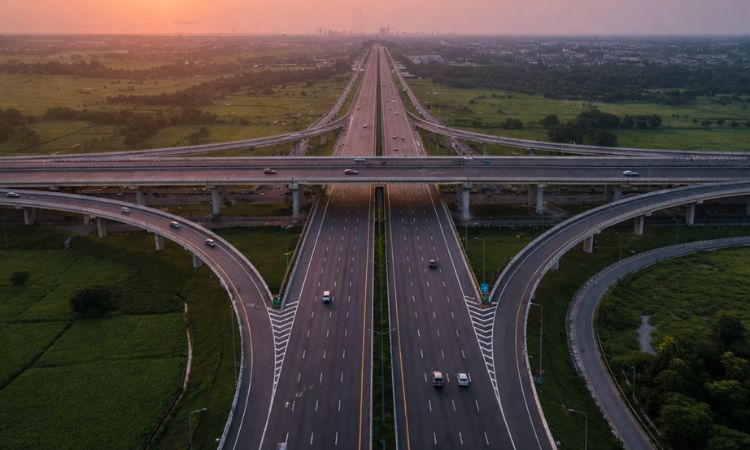
The 63-kilometre-long Lucknow-Kanpur Expressway, built at a cost of ₹4,200 crore (US$1.2 billion) in Uttar Pradesh, was inaugurated last month. It was hailed as a significant transportation milestone for the state and was expected to substantially reduce travel time.
However, the expressway, which was supposed to last for years, reportedly caved in at several locations within a month of construction after a small amount of rain. It was claimed that the expressway was constructed using artificial intelligence and machine-guided technology. It was also claimed that this technology would make it the first road of its kind in India, following similar projects in the US and Germany.
However, the situation is such that as soon as rain fell on the road, the 45-kilometre greenfield section between Unnao and Lucknow was damaged at several locations, forcing patchwork repairs at around 40 places.
The system is so corrupt that no one questions anyone, nor does anyone provide a convincing answer. How did a road that was supposed to last for years collapse at 40 locations in less than a month? How were completion certificates issued to the contractors without proper quality checks? No one seems willing to ask questions, and no one comes forward to provide answers.
For the convenience of the public, toll collection on the road has been suspended until the repairs are completed, and the contractor has reportedly been blacklisted. However, there is no automatic mechanism in the system to take action against the officials who approved the work. Now, an investigation will be conducted, but there are concerns that the same system of corruption could undermine the inquiry.
Now, let’s turn to the damaged road. Repairs began on Sunday, with large fans being used to dry the patchwork. These fans can perhaps tell us how long hastily applied repairs will actually last.
But why just Uttar Pradesh? The situation is similar elsewhere. Whenever it rains in metropolitan cities, whether lightly or heavily, dozens of complaints about sewerage blockages and dirty water supply reach control rooms. It has become a common sight: it rains for an hour, but the water remains stagnant for three hours.
After the rains, the same scene unfolds from Punjab to Delhi — waterlogged roads, congested traffic, and distressed drivers and commuters.
The major causes of waterlogging include inadequate sewerage cleaning, failure to repair damaged roads, and the opening of new projects during the rainy season. Meanwhile, proper desilting of local drains and the Bhakra Dam remains a concern. Promises are made, but the situation persists. Consequently, the Bhakra Dam’s water level rises, creating the danger of reaching the warning or danger zone even after relatively little rainfall.
Whether it is a small town or a major metropolis, even a little rain can turn streets into ponds, with water threatening to enter homes. One major reason is that, in the name of modernisation, new settlements are being developed and buildings are being constructed by encroaching upon drainage channels, sewerage systems and riverbeds.
Adequate drainage channels are often not provided, so even a small amount of rainfall can cause flooding and disrupt normal life. This has become a recurring story across cities and states.
The situation will change only through a radical transformation in attitudes towards corruption, accountability and public infrastructure. The sooner there is a genuine commitment to such change, the sooner ordinary people will be able to breathe a sigh of relief.
Varanasi: A massive explosion triggered the collapse of a two-storey building in Uttar Pradesh’s Varanasi on Thursday, leaving...
Sofia: A vessel sailing under the flag of San Marino caught fire in the Black Sea near Romania...

New Delhi: Accusing the Congress of double-speak on women dignity, the Bharatiya Janata Party (BJP) Mahila Morcha on...

New Delhi: NITI Aayog’s Frontier Tech Hub released a Data Centre Evaluation Framework to help states plan for...
New Delhi: The Supreme Court on Thursday referred the cheque dishonour cases against actor and comedian Rajpal Yadav...

Mirzapur: Uttar Pradesh Chief Minister Yogi Adityanath on Thursday accused the Samajwadi Party (SP) and the Congress of...
Aries: The day will be auspicious...