Last Updated: October 15, 2026
Last Updated: October 15, 2026





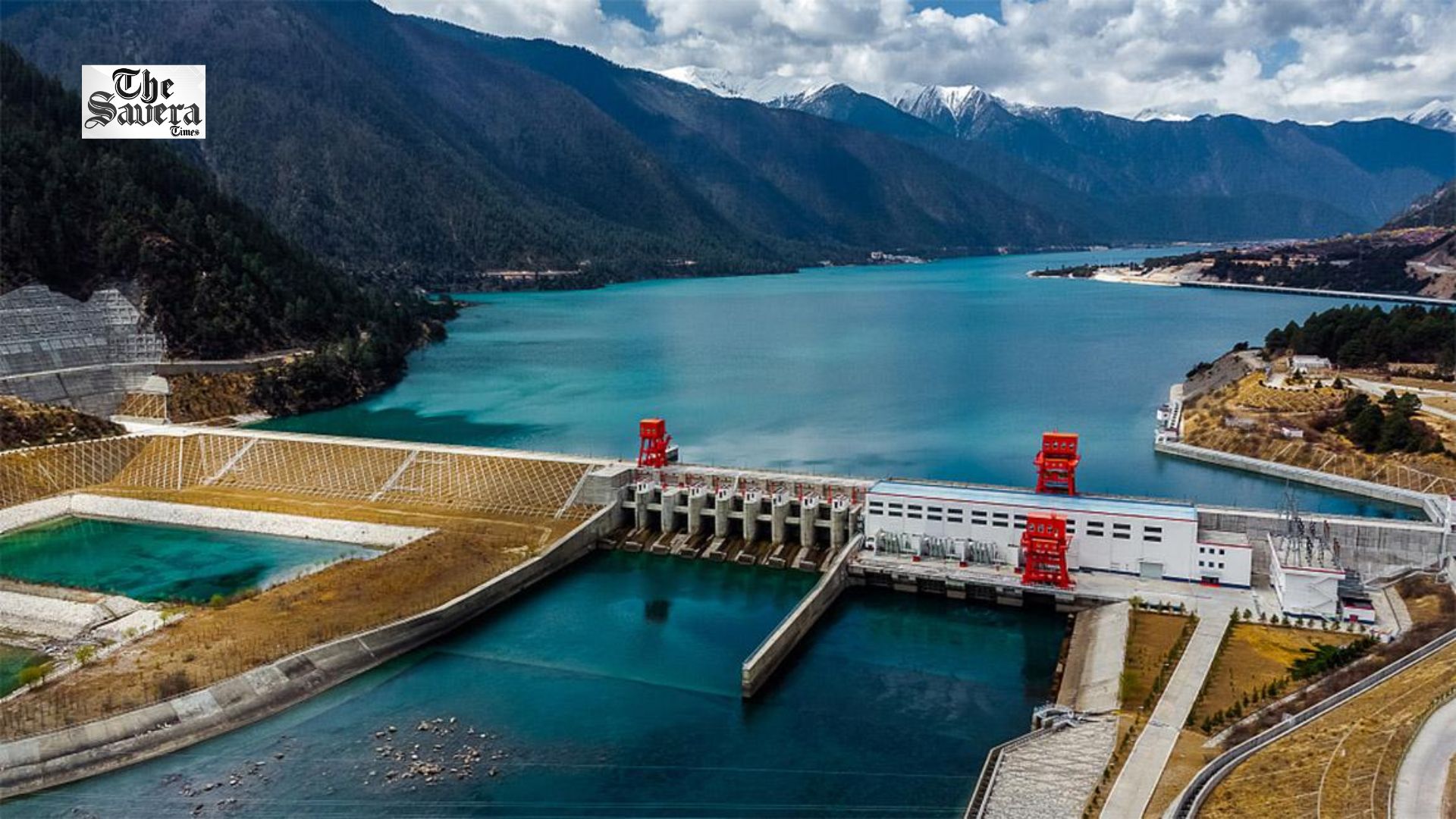
China’s rapid expansion of renewable energy projects in Tibet is raising concerns over environmental degradation and the impact on local communities, with reports claiming that the region is increasingly being used as a resource hub to support Beijing’s clean energy ambitions.
According to reports, China is developing large-scale solar farms, expanding mineral extraction, and planning major hydropower projects, including the proposed Metok (Motuo) mega-dam on the Yarlung Tsangpo River. These initiatives are aimed at meeting the country’s growing demand for renewable energy and reducing dependence on imported critical minerals.
Tibet Emerging as Key Hub for China’s Green Energy Drive
Tibet has become central to China’s renewable energy strategy, with significant investments in solar, wind and hydropower projects. The region also holds valuable reserves of minerals used in clean energy technologies, including materials required for batteries, solar panels and semiconductors.
According to the South China Morning Post, China has identified a new source of high-purity quartz in Tingkye County, Shigatse City, a discovery expected to reduce the country’s reliance on imports for manufacturing solar panels and semiconductor components.
Reports Raise Environmental and Social Concerns
While Chinese authorities have projected these projects as environmentally beneficial, reports suggest that large-scale construction and mining activities could have long-term consequences for Tibet’s fragile ecosystem and traditional way of life.
Research cited in the reports indicates that the rapid expansion of solar farms and hydropower infrastructure may disrupt local cultural practices, while intensified mining could put additional pressure on the region’s natural resources.
Allegations of Crackdown on Protests
The reports also claim that Chinese authorities have acted against people opposing these projects.
According to advocacy group Save Tibet, more than 1,000 Tibetans were reportedly arrested during protests against the Khamtok Dege Dam. Reports also alleged that activist Tsongon Tsering faced action after speaking out against illegal mining activities, while communication restrictions were imposed in Kham Zachuka following the discovery of gold deposits in the area.
These claims have not been independently verified.
Calls for Greater Transparency
The report argues that while China has positioned itself as a global leader in renewable energy, development projects should also safeguard environmental sustainability and local communities.
It says Beijing should follow the United Nations’ guidelines on Critical Energy Transition Minerals, ensure responsible resource extraction and meaningfully consult Tibetan communities before undertaking large-scale infrastructure projects.
Jerusalem: The Israel Defence Forces (IDF) said in a statement on Wednesday that it had killed a Hamas...

US President Donald Trump has promised that if the Republican Party retains control of both houses of Congress,...

New Delhi: American singer Mary Millben on Wednesday made an explosive claim about the Delhi protests, alleging that...

Prime Minister Narendra Modi on Wednesday wished Pope Leo XIV a speedy and complete recovery. The Pope underwent...

A large group of Harvard University alumni expressed concern on Wednesday over the alleged negative propaganda and campaign...

US Secretary of State Marco Rubio will visit India and Uzbekistan from October 17 to 22. During his...

Aries: The day will be auspicious...