Last Updated: October 10, 2026
Last Updated: October 10, 2026





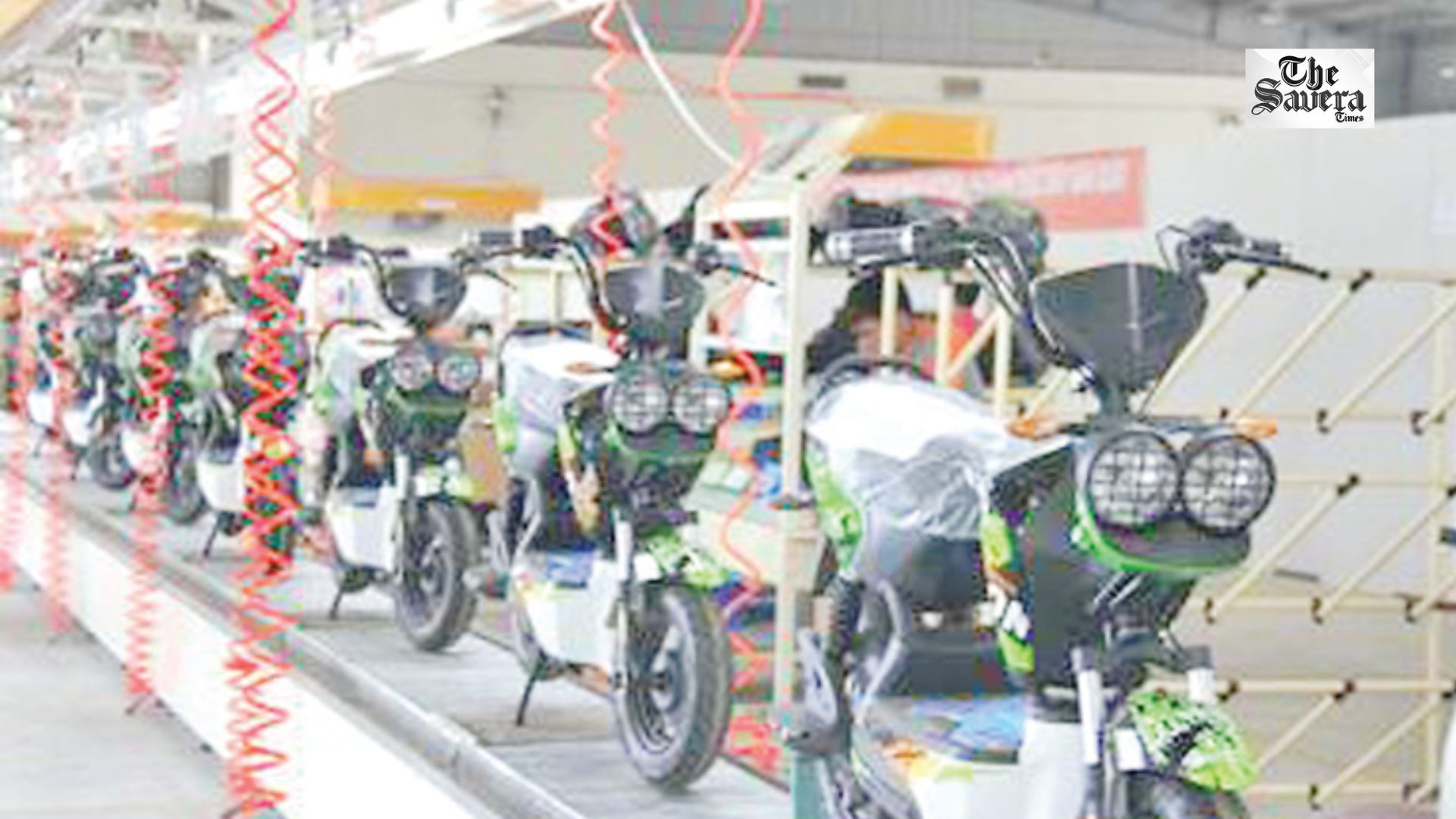
China is facing a human resources problem as the country’s younger generation sees technical education as lower in status than the university one, and the factories are not getting sufficient skilled manpower to run their manufacturing processes.
Chinese Ministry of Education, in February this year, came out with a paper suggesting vocational school reforms. The document criticised the current system’s lack of connection between education and employers, producing few skilled industrial workers essential for driving China’s next generation of high-tech manufacturing.
China’s university enrolment increased from 1 million in 1999 to 9.6 million in 2020. The brightest minds increasingly aspire to join the ranks of an elite segment that holds university degrees.
The expanding path toward college education has cemented a social hierarchy in which a bachelor’s degree followed by white-collar work is seen as more desirable than a vocational one followed by a career in manual labor, no matter how technically sophisticated.
China’s 2026-2030 fiveyear plan emphasised that manufacturing remains central in ensuring the technological self-sufficiency underlying long-term economic growth and safeguarding national security.
As part of its efforts to change the cultural mindset of the younger generation, the Chinese government organised the 2026 edition of WorldSkills, which was showcased as an Olympics for vocational skills with gold, silver and bronze medals being awarded to winners. In a slowing economy, many applicants may be interested in blue-collar work with the likes of Huawei and Xiaomi, rather than a bachelor’s degree that comes with unemployment afterwards.
But without changing the cultural norms of seeing technical education as “lower” than the university one, vocational schools in China, no matter how reformed, can still only attract those who are not afraid to be seen as desperate and obtuse enough to work on the factory floor.
Hence, the glowing coverage of WorldSkills becomes important. The prestige of China’s medalists is about bringing pride not just to the country, but to their professions.
And to further bestow status, China is turning hundreds of vocational schools into diplomagranting colleges, slapping bachelor’s degrees on vocational training. The government is hoping that erasing the difference in visual appearance between universities and vocational schools can break down the hierarchical thinking.
~Abhishek Vij Crude oil and natural gas exported from Gulf nations to half the world form the energy...

Addis Ababa: External Affairs Minister (EAM) S Jaishankar on Friday visited the National Palace and Museum in Addis...
Recognising the contribution of international courts in upholding the rule of law and human rights amid indiscriminate conflicts,...

Bhubaneswar: The Enforcement Directorate (ED), Bhubaneswar Zone, on Friday launched a search operation at ten places located in...

A 23-year-old Punjab-born man was shot dead outside a commercial complex in Langley, British Columbia, Canada. Canadian authorities...

India's Ministry of External Affairs (MEA) on Friday strongly criticized US Vice President J.D. Vance's remark, in which...

Aries: The day will be auspicious...