Last Updated: October 13, 2026
Last Updated: October 13, 2026





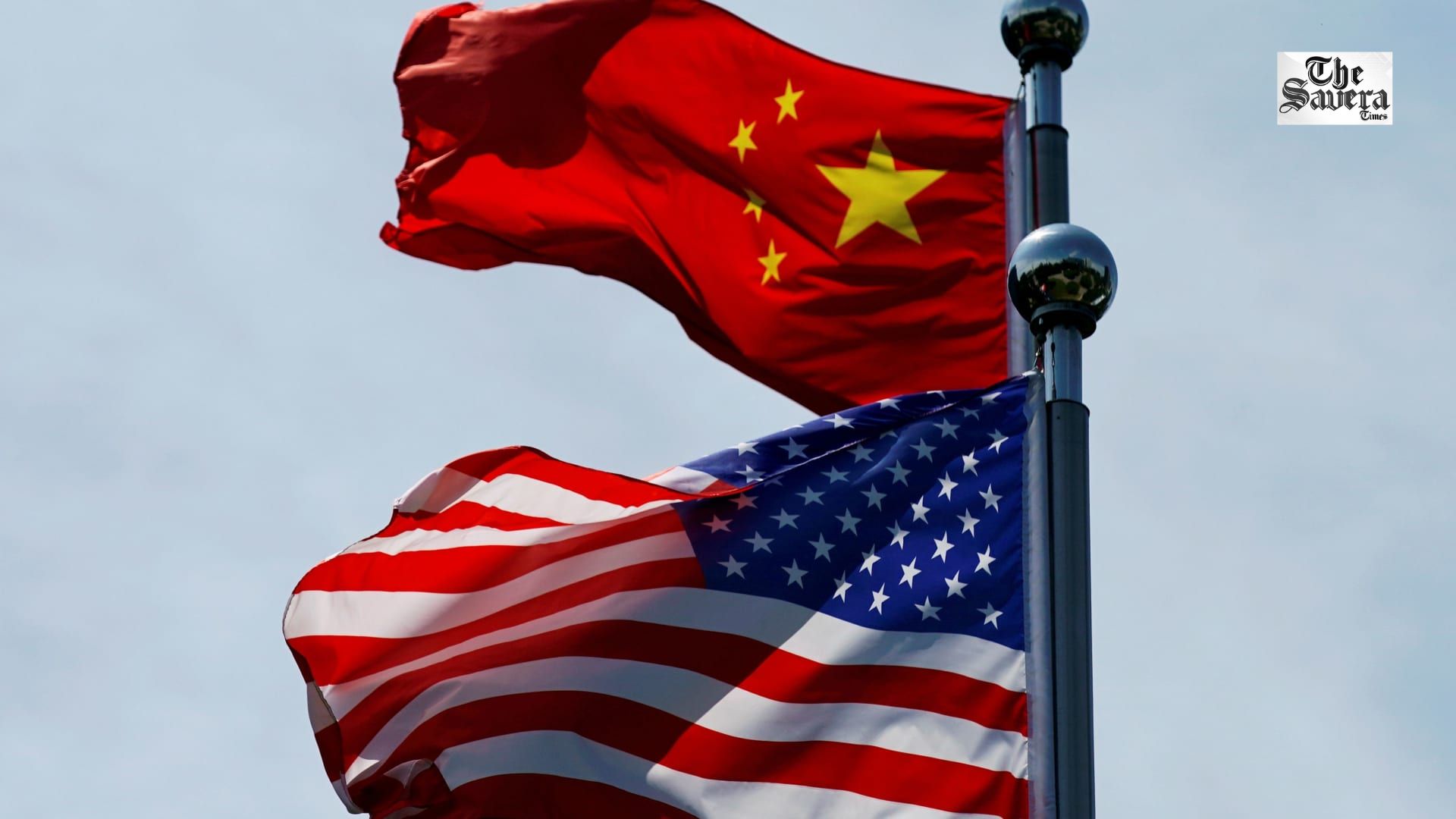
Washington: China has warned that it could take retaliatory measures after the United States launched trade investigations targeting dozens of economies, including China, over forced labour and alleged industrial overcapacity.
The Chinese Embassy said Beijing was “strongly dissatisfied” with the US action and had lodged formal representations with Washington. It accused the US of abusing its domestic trade laws and disrupting global industrial and supply chains.
“We will closely monitor the progress of the US investigation and reserve the right to take all necessary measures to firmly safeguard our legitimate rights and interests,” the Chinese Embassy said during a briefing for reporters on Friday.
The US has launched Section 301 investigations against 16 economies, including China, over concerns related to industrial “overcapacity.” It has also initiated another investigation involving 60 economies, including China, over allegations that they have not banned imports of goods made with forced labour.
China Alleges US Is Undermining Global Trade Order
China argued that the World Trade Organization (WTO) had previously ruled that the US Section 301 tariff measures against Chinese goods violated WTO rules.
“The World Trade Organization’s panel has already ruled that the US Section 301 tariff measures against China violate WTO rules,” the Chinese Embassy said.
It further alleged that Washington was placing domestic law above international trade rules by reopening Section 301 investigations.
“By once again abusing the Section 301 process and placing domestic law above international rules, the US is making a serious mistake, severely undermining the security and stability of global industrial and supply chains and seriously disrupting the international economic and trade order,” the embassy said.
Trade Talks Continue Despite Rising Tensions
The warning comes as Beijing and Washington continue negotiations aimed at stabilising bilateral trade ties.
According to the Chinese Embassy, both countries have agreed to establish a Board of Trade to discuss reciprocal tariff reductions and other trade-related issues.
The two sides have also set a goal of expanding two-way agricultural trade and agreed in principle to include relevant agricultural products under a reciprocal tariff reduction framework.
“Businesses will conduct trade independently in accordance with market principles, based on actual demand and prevailing market conditions,” the embassy said.
It added that China was willing to work with the US to create favourable conditions for agricultural trade, with teams from both countries remaining in contact to encourage greater business cooperation.
China Responds to US Restrictions on Chinese Firms
China also criticised recent US restrictions on Chinese companies, accusing Washington of excessively expanding the concept of national security and suppressing Chinese enterprises.
Beijing said it had added 10 US entities involved in military activities to its export control list, preventing the export of dual-use items to those organisations.
The Chinese Embassy said the move was a response to the US designating what it described as “Chinese military companies” and was intended to safeguard China’s national security, protect its interests and fulfil its non-proliferation obligations.
Section 301 of the US Trade Act of 1974 allows Washington to investigate foreign trade practices it considers unfair or discriminatory and impose trade restrictions. The provision was widely used to impose tariffs on Chinese imports during US President Donald Trump’s first term.
The United States and China continue to remain at odds over tariffs, technology controls, industrial subsidies and market access, with trade tensions between the world’s two largest economies continuing to influence global markets.
A shooting occurred at a school in the French city of Aubagne on Monday.

A Pakistani Army training aircraft crashed near Quetta, the capital of Pakistan's Balochistan province, on Monday.
The Royal Swedish Academy of Sciences on Monday announced the 2026 Nobel Prize in Economics to American economists...
A Sudanese rights group says at least 72 gold miners were killed in an air strike near the...

US President Donald Trump is scheduled to attend the ASEAN summit in Manila on November 16 before travelling...
An Indian national injured in the October 10 attack on Riyadh’s King Khalid International Airport has died, taking...

Aries: The day will be auspicious...