Last Updated: October 21, 2026
Last Updated: October 21, 2026





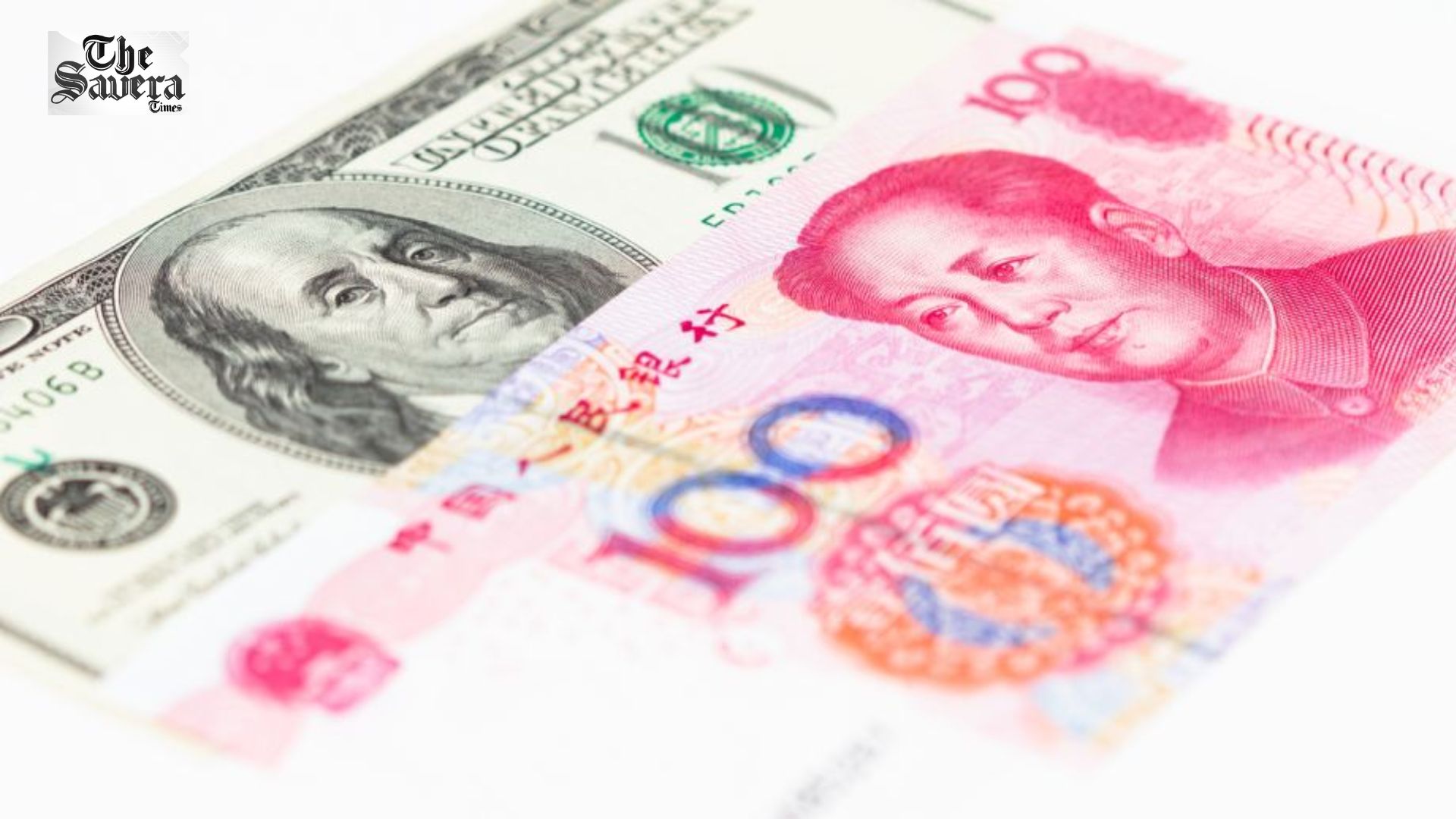
Beijing: China has reportedly begun encouraging several African countries to repay their debts in Chinese yuan instead of the US dollar, a move seen as part of Beijing’s long-term strategy to strengthen the yuan’s global role and reduce the dominance of the US dollar in international finance.
According to a report published in Nigeria’s Independent newspaper, Kenya’s recent decision to restructure part of its Chinese debt and switch repayments from US dollars to yuan is being viewed as an early indication of a broader shift in the global financial system.
Why Is China Promoting the Yuan?
The report says China wants to reduce its dependence on the US dollar, a currency over which it has no control. By encouraging debt repayments, trade settlements and cross-border financing in yuan, Beijing aims to expand the international use of its currency.
Rather than replacing the US dollar overnight, China is believed to be building an alternative financial system that operates alongside the existing dollar-based global payment network.
China’s Growing Financial Influence in Africa
Over the past two decades, China has become one of Africa’s largest lenders, financing infrastructure projects such as highways, railways, airports, ports, power plants and communication networks.
Countries including Angola, Ethiopia, Kenya, Zambia, Egypt, Cameroon, South Africa and Nigeria have received significant Chinese-backed loans for development projects.
Unlike many international financial institutions, Chinese financing has often been offered with faster approvals and fewer governance-related conditions, making it attractive to many developing nations.
Why Kenya’s Decision Matters
Kenya recently decided to restructure part of its Chinese debt by shifting repayments from US dollars to yuan.
Supporters believe the move could reduce pressure caused by currency fluctuations and lower borrowing costs. However, experts note that changing the repayment currency does not reduce the debt itself.
The report argues that while the currency changes, governments must still generate enough economic growth to repay their loans.
Potential Impact on the US Dollar
Analysts believe that if more countries begin borrowing, trading and repaying debt in yuan instead of US dollars, global demand for the dollar could gradually decline.
However, experts also caution that the real challenge for African nations is not the currency used for repayment but ensuring that borrowed funds generate enough economic returns to meet future debt obligations.
Protests in Jakarta, Yogyakarta and Bandung brought students onto the streets over rising costs, forest fires and civil...

Organisations linked to Neville Roy Singham are under US congressional scrutiny over funding. Their coverage of protests in...

US President Donald Trump says Washington and New Delhi are close to a trade agreement that will differ...

Iran has ruled out transferring its enriched uranium stockpile outside the country, with security official Mohsen Rezaei reiterating...

Donald Trump has urged Volodymyr Zelensky to pursue a peace deal with Russia, warning that Ukraine could face...

Pakistan, battling insurgencies at home and tensions along multiple borders, is too overstretched to offer meaningful military support...

Aries: The day will be auspicious...