Last Updated: October 3, 2026
Last Updated: October 3, 2026





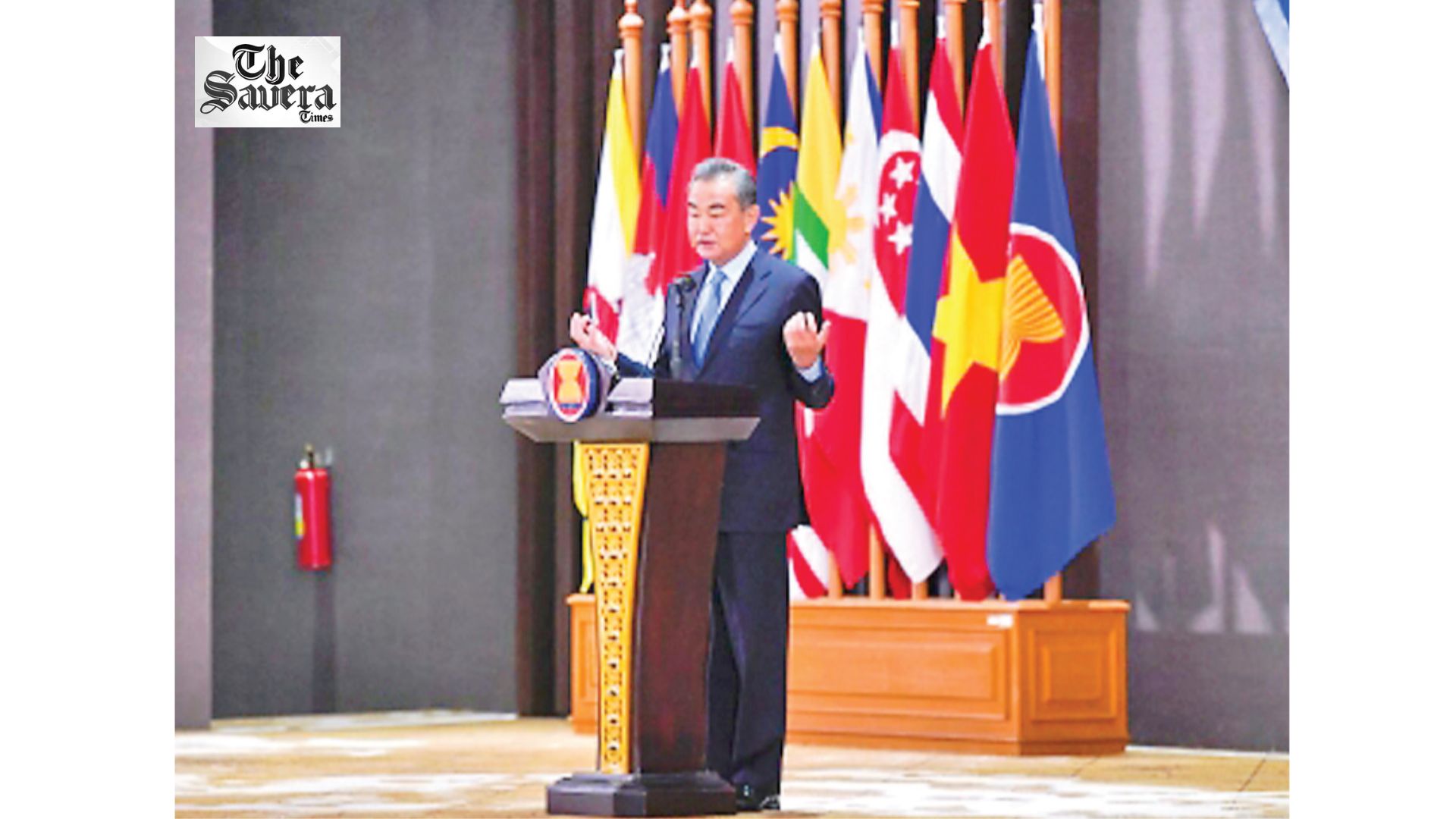
Several Gulf nations have quietly voiced frustration with China’s response to the security crisis in West Asia. During recent escalations, Beijing has consistently advocated restraint, dialogue and de-escalation, reflecting its longstanding diplomatic posture.
However, for countries that have experienced missile attacks, drone strikes and direct security threats linked to Iran and its network of partners, such calls for restraint are not viewed as neutral. Rather, questions arose about whether China is prepared to publicly identify the source of those threats. For much of the last decade, China appeared to have achieved what few external powers in the Middle East had managed: the simultaneous cultivation of deep partnerships with rival regional actors. Beijing expanded economic ties across the Gulf, became the largest trading partner of several Arab states, deepened its strategic relationship with Iran, and crowned its diplomatic ambitions by facilitating the Saudi-Iran rapprochement in 2023. This ability to engage all sides while avoiding regional entanglements came to be viewed as a defining feature of China’s approach to West Asia.
Yet the very crisis that should have showcased the benefits of China’s balanced diplomacy has instead exposed its limitations. The recent escalation involving Iran, Israel and several Arab states has highlighted a dilemma that has long been embedded within Beijing’s regional strategy. While economic partnerships can be pursued simultaneously with competing actors, security crises inevitably force governments to reveal their priorities.
China faces the challenge of balancing its desire to maintain productive relations with both Tehran and the Arab Gulf states as expectations of its role grow alongside its expanding regional influence.
A Chinese-run networking club, targeting business and political elites in Brussels, bears the hallmarks of an influence and...

~Abhishek Vij Indian pilot Smit Machar averted a tragedy with his bravery in such a way that the...

Bangladesh has come under renewed scrutiny over allegations of immigration officials subjecting unmarried women travelling abroad to intrusive...

Imagine being seriously injured inside a flying aircraft, with blood on your clothes, passengers in panic and the...

More than 800 historical documents from Nepal, including some dating back to the 13th century, have been repatriated...

Indian jurist Bimal Patel has assumed office as a judge of the International Tribunal for the Law of...
Aries: The day will be auspicious...