Last Updated: October 15, 2026
Last Updated: October 15, 2026





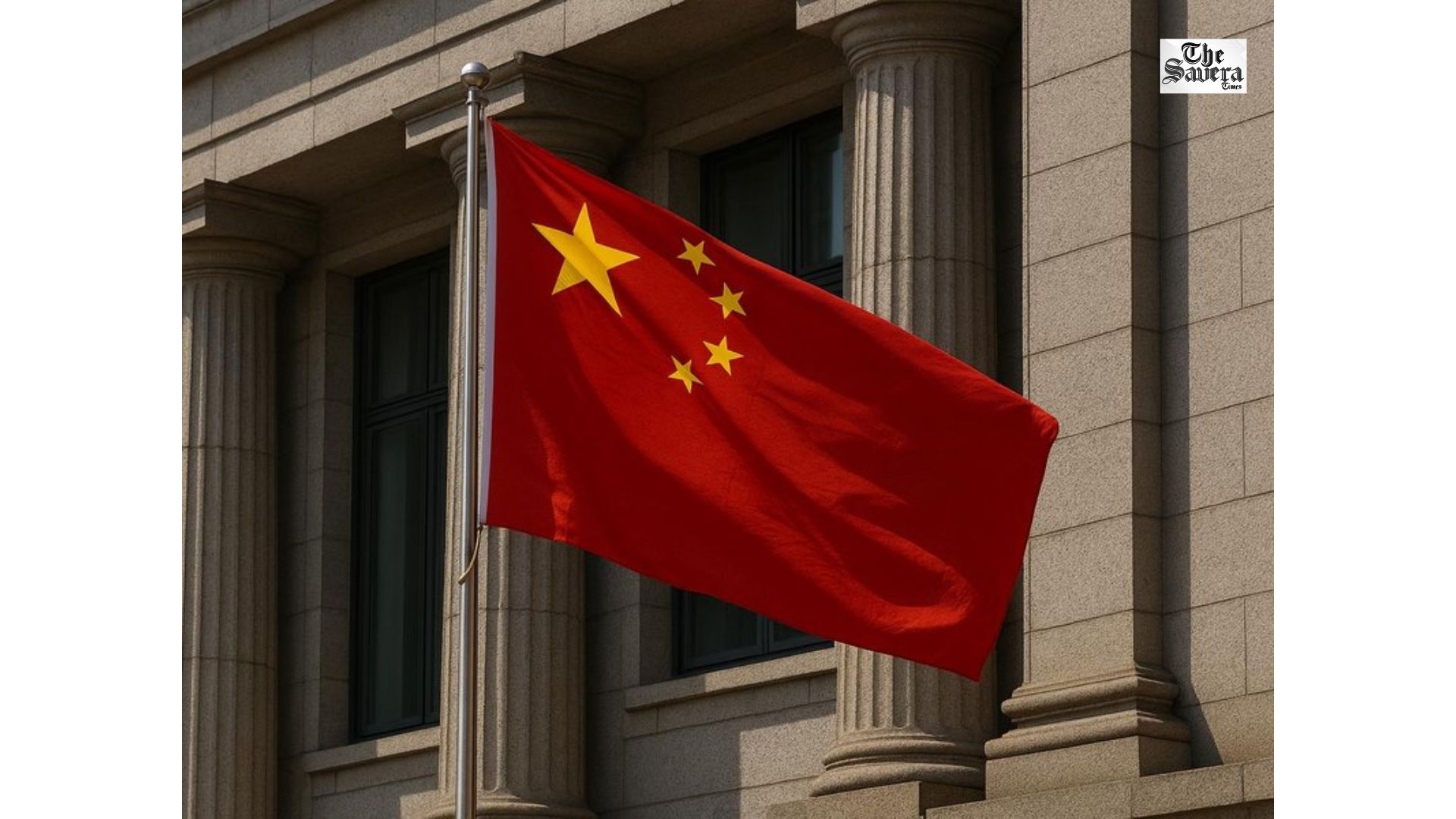
China considers Iran as a second-tier partner while Pakistan continues to occupy a first-tier position. That asymmetry was showcased during the recent conflict in West Asia as China did not send a single warship, missile battery or a soldier after the Israeli and American strikes killed Iran’s then-Supreme leader Ayatollah Ali Khamenei and other senior military officials.
China’s Iran strategy is not an alliance. It is a hedge, calibrated to the barrel and the missile. Beijing will buy Iran’s oil at a discount, share intelligence and satellite access, dangle fighter jets, and lean on Moscow to keep Tehran diplomatically afloat—but it will not fire a shot on Tehran’s behalf, and it will not let its friendship with Iran cost it its far deeper relationship with Washington.
When China and Iran signed the 25-year Comprehensive Strategic Partnership, Chinese state media termed it a civilisational bond. The agreement covers several areas including infrastructure, banking, energy and “military-technical” cooperation. However, it does not include a mutual defence clause and stops short of the ironclad commitments China has made to Pakistan, or those Russia has promised North Korea.
During the recent tensions in West Asia, Chinese Foreign Minister Wang Yi condemned the killing and termed the conflict “a war that should never have happened and benefits no party.” His statement was a carefully neutral formulation that scholars at the Chicago Council on Global Affairs described as “not an outright condemnation of the United States or Israel, or indeed of Iran,” but rather “a more generalised statement of regret.”
Beijing’s caution was not cost-free neutrality; it was profitable neutrality. China spent much of the past two years quietly assembling one of the largest strategic petroleum reserves in its history—an estimated 1.2 billion barrels, equal to around 109 days of import cover. A substantial portion of this reserve was built using sanctioned Iranian, Russian and Venezuelan crude purchased at discounts of $5 to $15 per barrel below Brent prices.
None of this means China is indifferent to Iran’s fate. On the contrary, Iran occupies a vital geographic and ideological position in two projects Beijing cannot afford to abandon. China’s approach reflects a balance between protecting its strategic interests, maintaining access to discounted energy supplies, preserving regional influence, and avoiding direct military entanglement that could jeopardise its broader global relationships.
Jerusalem: The Israel Defence Forces (IDF) said in a statement on Wednesday that it had killed a Hamas...
US President Donald Trump has promised that if the Republican Party retains control of both houses of Congress,...
New Delhi: American singer Mary Millben on Wednesday made an explosive claim about the Delhi protests, alleging that...

Prime Minister Narendra Modi on Wednesday wished Pope Leo XIV a speedy and complete recovery. The Pope underwent...
A large group of Harvard University alumni expressed concern on Wednesday over the alleged negative propaganda and campaign...
US Secretary of State Marco Rubio will visit India and Uzbekistan from October 17 to 22. During his...
Aries: The day will be auspicious...