Last Updated: September 25, 2026
Last Updated: September 25, 2026





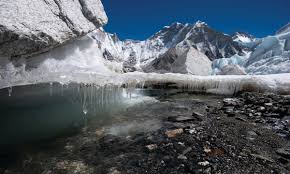
The lack of snowfall has implications for water security. Snow and glaciers act as natural reservoirs in the Himalayas, releasing water slowly into rivers and streams during the summer months. Reduced snow accumulation could therefore lead to shortages later in the year, affecting both agriculture and drinking water supplies.
Tourism — a key source of income in the region — may also be at risk if winter snowfall continues to decline. It is believed that human activity may be contributing to the changes. There is more construction, more vehicles and more activity in places that used to remain quiet in winter.
The unusually warm winter is also worrying agricultural scientists, who say the shift could have far-reaching consequences for farming in the Valley.
Experts say the agriculture in this region depends on winter snowfall in surrounding mountains. Snow accumulated during winter gradually melts in spring, feeding rivers such as the Jhelum and sustaining irrigation during the growing season.
When winters are warmer and snowfall is reduced, it disrupts this entire system. Less snow means less water available for irrigation in spring, streams begin to dry earlier and crops can experience water stress during critical growth stages.The implications are particularly serious for Kashmir’s horticulture sector, which forms the backbone of the rural economy. Fruit crops such as apples, cherries and walnuts require a certain number of chilling hours during winter dormancy. Warmer winters can also allow pests and pathogens that would normally be killed by cold temperatures to survive and multiply.
This can lead to early outbreaks of aphids and mites, as well as increased fungal diseases in orchards. Farmers may be forced to use more pesticides.Field crops such as wheat and mustard are also vulnerable. Higher temperatures can trigger early germination and accelerate plant development, shortening the grain-filling stage and reducing yields. There is also the risk of frost damage.
New Delhi: The National Investigation Agency (NIA) has arrested two more accused in connection with the Improvised Explosive...

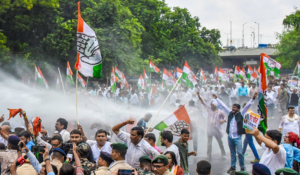
Patna: The Bihar Congress staged a protest march in Patna on Friday against Chief Election Commissioner Gyanesh Kumar...
Kabul: Pakistan’s actions have imposed a heavy human toll on Afghan civilians, with millions of refugees displaced, tens...
New Delhi: Four women wrestlers have challenged before a sessions court, the acquittal of former Wrestling Federation of...

New Delhi: No major GST rate changes are expected at the next GST Council meeting on October 7,...

Assam Congress chief and Lok Sabha MP Gaurav Gogoi was among several party leaders detained by police on...

Aries: The day will be auspicious...