Last Updated: October 21, 2026
Last Updated: October 21, 2026





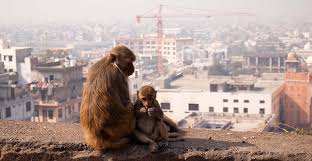
Cities are often perceived as concrete landscapes, but urban environments host a surprising diversity of wildlife. From pigeons and stray dogs to foxes and snakes, cities are shared spaces where humans and animals interact daily. The growing urban sprawl, however, has disrupted natural habitats, forcing wildlife to adapt to human-dominated environments. Urban wildlife conservation seeks to address these challenges and promote coexistence, ensuring biodiversity thrives even in densely populated areas.
One of the key challenges of urban wildlife conservation is habitat fragmentation. As cities expand, green spaces shrink, leaving animals with limited resources and forcing them into human settlements. This often leads to human-wildlife conflicts, such as monkeys raiding fruit markets or snakes entering residential areas. In response, conservationists advocate for the creation of urban green corridors—continuous stretches of vegetation that allow animals to move safely across cities. Such corridors not only help preserve biodiversity but also improve air quality and provide recreational spaces for humans.
Another important aspect is public awareness. Urban residents often misunderstand or fear wildlife, leading to unnecessary harm to animals. Education campaigns can inform people about local species, their ecological roles, and safe ways to interact with them. For instance, teaching residents how to coexist with stray dogs or avoid harming urban birds can significantly reduce conflicts. Citizen science initiatives, where people report sightings of animals, also help researchers track population trends and respond proactively.
Technological innovation is also playing a role in urban wildlife conservation. Remote cameras, GPS tracking, and drones are used to monitor animal movements and detect conflicts early. Artificial intelligence algorithms help analyze data, predicting areas of potential human-wildlife encounters and guiding city planning. Cities like Singapore and Bangalore have successfully integrated wildlife-friendly designs into their urban landscapes, including rooftop gardens, vertical forests, and protected wetlands, offering models for other metropolitan areas.
The benefits of urban wildlife conservation extend beyond animals. Healthy ecosystems within cities help regulate temperature, reduce air and water pollution, and support pollinators essential for urban agriculture. Additionally, exposure to wildlife enhances human mental well-being, offering residents a sense of connection to nature. By prioritizing coexistence rather than exclusion, cities can create sustainable environments that benefit both humans and wildlife.
In conclusion, urban wildlife conservation is a growing necessity as cities continue to expand. Through habitat restoration, public education, technological intervention, and innovative urban planning, humans and animals can share city spaces harmoniously. Recognizing the importance of urban biodiversity ensures that even concrete jungles can remain vibrant, livable, and ecologically balanced
We are very proud that at present India is the number one country in the world by surpassing...

Every investor wants the wealth-creating power of equity and the reassuring stability of debt. Balanced Advantage Funds attempt...

Tourism is a major source of government revenue in our country. There are different types of tourism. Scenic...

Good Evening Viewers! Catch up on the day's biggest stories with The Savera Times Evening Bulletin. Get the...

Congress leaders continued their protest outside the Jaipur Police Commissionerate on Tuesday, demanding the registration of a zero...

On the auspicious occasion of Vijayadashami, Prime Minister Narendra Modi on Tuesday called on the countrymen to unite...

Aries: The day will be auspicious...