Last Updated: October 21, 2026
Last Updated: October 21, 2026





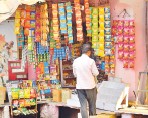
Over the past five decades, ultra-processed food (UPF) corporations have steadily entrenched themselves in global food and health policy-making. From a single voluntary initiative in 1974, the number of platforms influencing policy grew to 45 by 2023, with more than half either led or heavily influenced by UPF companies and their affiliates.
A three-part Lancet series, published on November 19, examined the role of eight major food corporations in global food governance and their influence on scientific research. These corporations have often shaped knowledge production and public debates to downplay health risks associated with UPFs. Studies show that overconsumption of UPFs—including chips, biscuits, carbonated drinks, breakfast cereals, artificially sweetened yogurts, and ice cream—contributes to obesity, type 2 diabetes, hypertension, heart and kidney disease, gastrointestinal disorders, and premature death.
UPFs, as defined by the Nova classification, are industrially produced, highly processed products made from cheap ingredients and additives, designed to replace freshly prepared meals. The UN’s Food and Agriculture Organization identifies ingredients such as high-fructose corn syrup, modified oils, hydrolysed proteins, and mechanically separated meat as common in UPFs. High levels of sugar, salt, fats, and artificial additives make them highly palatable and encourage repeated consumption.
The Lancet series highlights eight dominant transnational UPF manufacturers: Nestlé, PepsiCo, Unilever, Coca-Cola, Danone, Fomento Económico Mexicano, Mondelez, and Kraft Heinz. Between 2008 and 2023, over 3,800 industry-funded studies were published involving more than 14,000 researchers, with a third focusing on energy balance or physical activity—an intentional strategy to shift focus from product-related harm.
Government policies have further facilitated the UPF industry’s growth. Agricultural subsidies, trade agreements, and weak regulation have lowered production costs and shielded corporations from stricter oversight. For example, in 2017, subsidies for seed oils and sugar amounted to US$27.6 billion globally, reducing UPF production costs. The companies also coordinate through 207 industry and lobbying groups worldwide, influencing policy, marketing, and public perception.
In India, retail sales of UPFs surged from US$0.9 billion in 2006 to nearly US$38 billion in 2019, with obesity rates doubling over the same period. Experts stress that improving diets requires more than consumer awareness; legislation targeting UPFs and promoting subsidized healthy alternatives is crucial. Past initiatives, such as the Food Safety and Standards Authority of India’s front-of-package labeling, have faced delays or watered-down measures due to corporate influence.
According to pediatrician Arun Gupta, India is experiencing a similar shift as documented globally, with traditional diets increasingly replaced by highly marketed, hyper-palatable industrial UPFs, posing a serious public health challenge.
The Ayushman Bharat Pradhan Mantri Jan Arogya Yojana (PMJAY) is proving to be a significant relief for poor...

Rescue teams recovered the bodies of four youths from the Kotri canal in Kota on Wednesday morning, after...

A balloon containing a suspected flammable chemical burst during a stage play in Siwan, injuring around 10 spectators....

State Bank of India has confirmed that 3,897 customer records containing personal information were found on the dark...

A fire in a hut in Nonapar village of Deoria district claimed three lives, including those of a...

Amit Shah paid tribute to police personnel who died in the line of duty at the National Police...

Aries: The day will be auspicious...