Last Updated: October 21, 2026
Last Updated: October 21, 2026





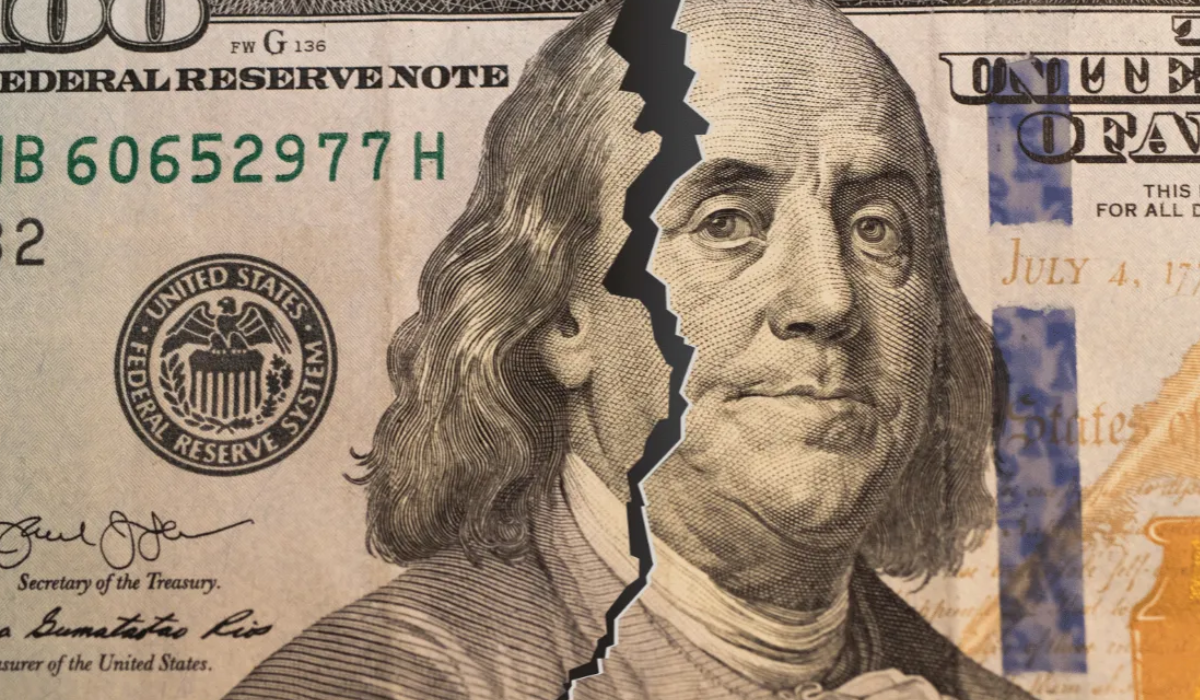
The US dollar is considered the most valuable currency in foreign trade. The US wants to rule the world using this currency. Its policy is to increase its exports to every country so that demand for the US dollar does not decrease and the competing currency continues to decline. As has happened with the Indian currency. The dollar, which once fetched an exchange rate of 70 rupees, has now risen to over 95 rupees. Other global powers are also emerging, including countries like Russia, China, and India. Following them are Brazil, South Africa, and the UAE. BRICS, a major organization of 11 key countries, is holding its 18th summit in India. Currently, India, Russia, and China desire to promote alternative currencies to the dollar in foreign trade. The world’s emerging and developing countries should not rely solely on the dollar for all their needs. It’s worth noting that the United States is not entirely pleased with this commitment of the BRICS countries. Unwilling to let the dollar’s dominance diminish, it has attempted to counter these countries’ efforts with the scourge of high tariff rates. However, for the BRICS summit scheduled for September 12-13 at Bharat Mandapam in New Delhi, India, Russia, and China are preparing a battle map for a new currency system for foreign exchange. All three countries have their own digital currencies. A common cross-border payment system will be created using these three currencies. There are efforts to integrate online payments and other payment systems of India, Russia, and China into this system, but each country will maintain control over its own currency and central banks. This is a very prudent effort to create an alternative currency system. It will reduce currency conversion, banking charges, and settlement time. It’s well known that India is negotiating trade agreements with Russia and other countries under the guise of free trade agreements, including a plan to make payments in their respective currencies. If this happens, the US will be less likely to assert its dominance or monopoly through the dollar. This system undoubtedly presents significant challenges and will take considerable time to establish, as countries like Brazil, South Africa, and the UAE are yet to achieve a common currency technical standard. Furthermore, each country has different banking regulations, and integrating them is crucial. This will require data sharing and coordination. Even once everything is open, protecting exchanges from cyber fraud will be a challenge. Furthermore, not all countries are equally self-sufficient. If a balance of payments imbalance arises between two countries, how will it be resolved? Furthermore, India cannot completely ignore the US dollar, as it imports and exports heavily from there. Therefore, it’s important to ensure that America’s anger doesn’t spiral out of control. This will be a new system that the BRICS countries want to adopt, and its global impact remains to be seen. However, caution is essential in every global endeavor. We’ll have to be mindful of the pros and cons here as well. However, if this is successful, America’s arrogance in the name of tariff wars will surely end. Let’s see what results emerge from this BRICS summit.
Protests in Jakarta, Yogyakarta and Bandung brought students onto the streets over rising costs, forest fires and civil...
Organisations linked to Neville Roy Singham are under US congressional scrutiny over funding. Their coverage of protests in...

US President Donald Trump says Washington and New Delhi are close to a trade agreement that will differ...
Iran has ruled out transferring its enriched uranium stockpile outside the country, with security official Mohsen Rezaei reiterating...
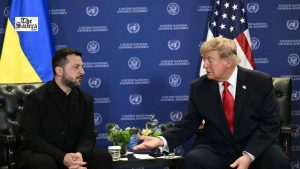
Donald Trump has urged Volodymyr Zelensky to pursue a peace deal with Russia, warning that Ukraine could face...
Pakistan, battling insurgencies at home and tensions along multiple borders, is too overstretched to offer meaningful military support...
Aries: The day will be auspicious...