


~Abhishek Vij
Crude oil and natural gas exported from Gulf nations to half the world form the energy backbone of these countries. This is particularly critical for India, as we import 85 percent of our crude oil and gas requirements. A significant portion—more than half—of this 85 percent historically came from Gulf nations. The conflict between the US and Iran shows no signs of abating. Currently, the hostilities have centered on the Strait of Hormuz, the vital route through which Gulf nations supply oil and gas to a large part of the globe. Amidst these hostile conditions, the cost of navigating container and cargo ships through the Strait of Hormuz has nearly quadrupled, yet some mariners still brave the risks. Two alternative routes have been explored—the Red Sea route via Yemen and the Black Sea route via Russia—but a new problem has emerged: both these routes are also vulnerable to attacks. Consequently, no route is truly safe, and the shadow of crisis looms over all three paths. In recent days, Indian mariners have suffered casualties in separate attacks in the Black Sea and the Strait of Hormuz. Initially, the oil tanker *Aframax Rio* caught fire following a drone attack, though its 23-member Indian crew was rescued. Subsequently, 11 Indians were injured when the *MT On Peace* was struck by a projectile in the Strait of Hormuz. Prior to this, an incident involving the vessel *MV Rauf Mammadov* in the Black Sea left three Indians and a total of 11 people injured, while two foreign nationals lost their lives. Following the massive fire on the *Aframax Rio*, a sea of burning crude oil was visible on the water’s surface. Russia has attributed this incident to a Ukrainian attack. The Indian Embassy states that among the three Indians on board, one was injured while two are safe. While the Strait of Hormuz was already a focal point of conflict, the Black Sea has now also come under threat, raising serious concerns about the safety of Indian sailors. That leaves the Red Sea route, which has now been seized by Yemen’s Houthi rebels; the entire region is now entangled in a new global conflict. Amidst this turmoil, an area spanning 1,800 square miles has been lost, disrupting supply chains. Consequently, crude oil prices have surged past the $100 mark. The Yemeni government was aware that Houthi rebels were poised to seize control of the Red Sea route—a vital corridor accounting for 10 percent of the world’s oil and gas supplies. These events are driving up the prices of crude oil and gas. This crisis affects not only the Gulf nations but all oil-importing countries worldwide, with India being a major one. Rising crude oil costs will trigger a spike in inflation and economic instability within India. Hostilities along these alternative oil import routes will further exacerbate the strain on oil and gas supplies. Rebels controlling these paths will gain momentum; naturally, powerful groups like the Houthis are unlikely to diminish their strength in the name of ceasefires or peace. Current conditions are intensifying the supply crisis, sending a clear message: to sustain human life, preserve businesses, and avert widespread devastation, the fighting must stop. Yet, leaders driven by self-serving politics remain obsessed with war, turning every supply route into a perilous zone and—by doing so—shooting themselves in the foot, harming not just India but the entire world.
Crisis of Oil and Gas Supply Escalates
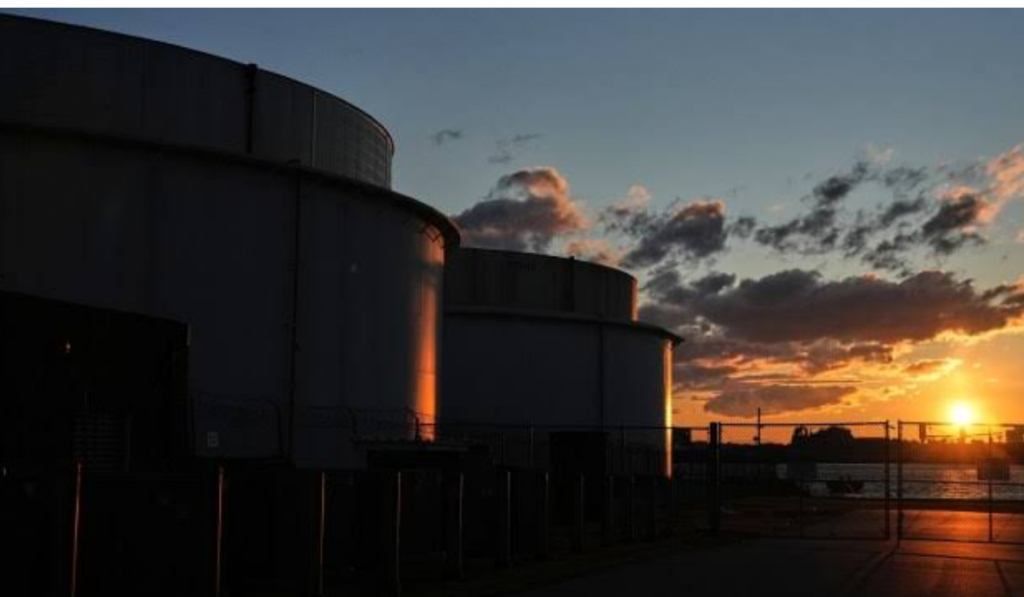
Crisis of Oil and Gas Supply Escalates