~Abhishek Vij Crude oil and natural gas exported from Gulf nations to half the world form the energy backbone of these countries. This is particularly critical for India, as we import 85 percent of our crude oil and gas requirements. A significant portion—more than half—of this 85 percent historically came from Gulf nations. The conflict.
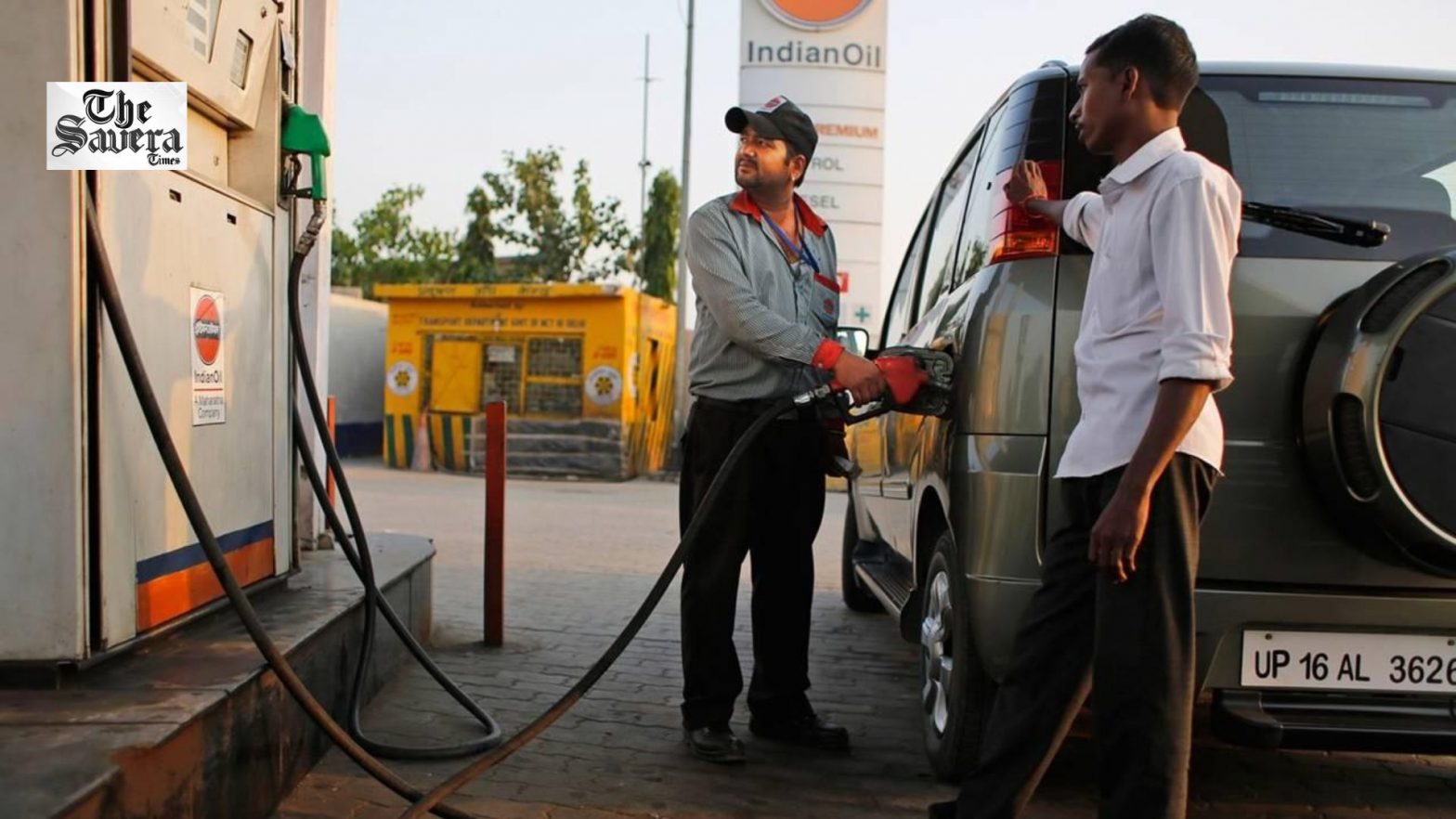
: Rising crude oil prices have raised concerns for India, but strong forex reserves, low inflation and a manageable current account deficit provide a buffer against the oil shock.
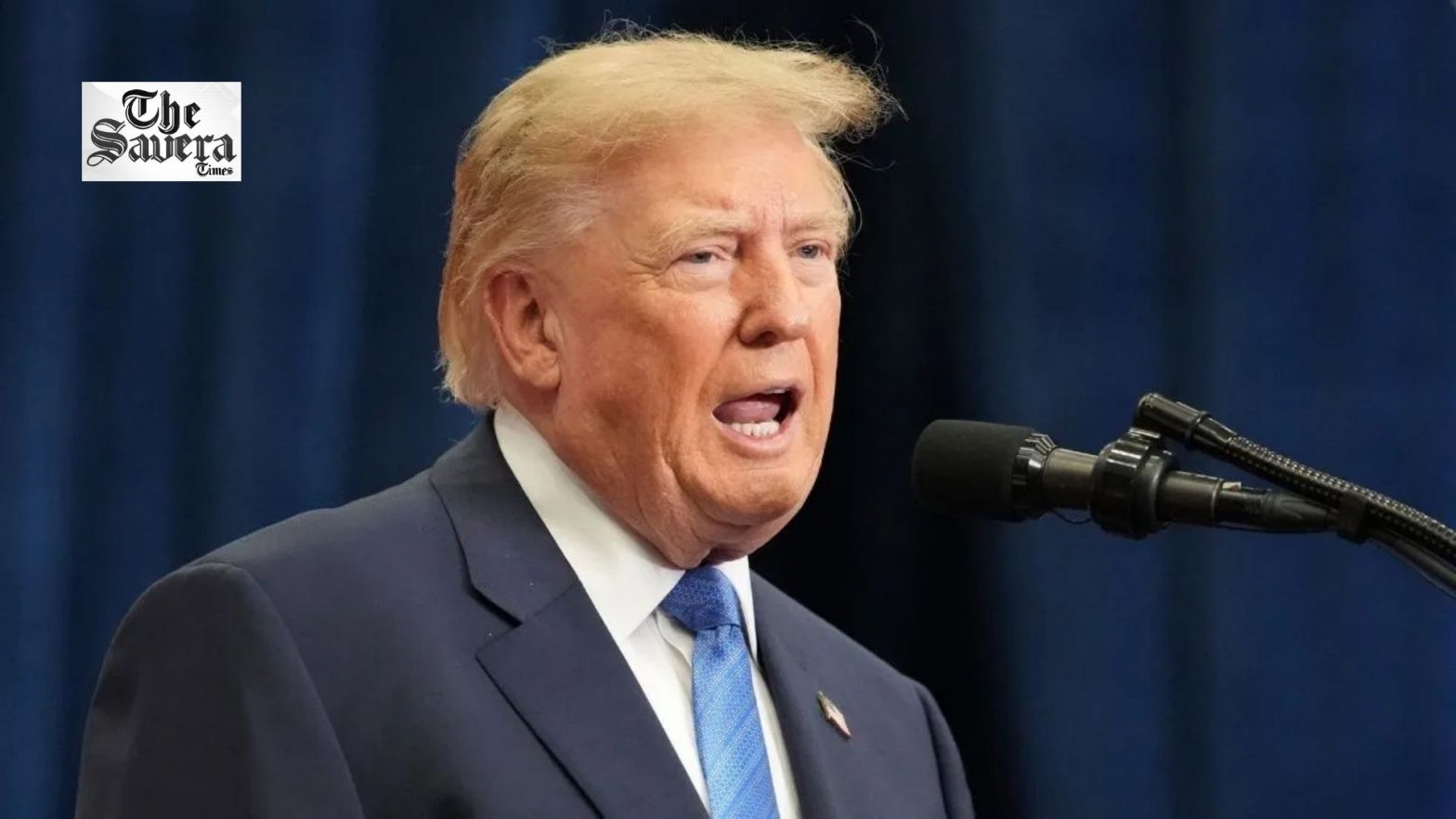
US President Donald Trump has announced what he called the “biggest oil deal” in world history, with Washington securing majority control of more than 65 billion barrels of Venezuela’s proven oil reserves.
~Abhishek Vij It was believed that a ceasefire had been reached between the US and Iran despite Israel’s disobedience. Iran’s accounts would be de-frozen within 60 days and it would receive war compensation. There were also talks of increasing trade between the two countries. Furthermore, the US claimed to have established a lasting peace. Meanwhile,.
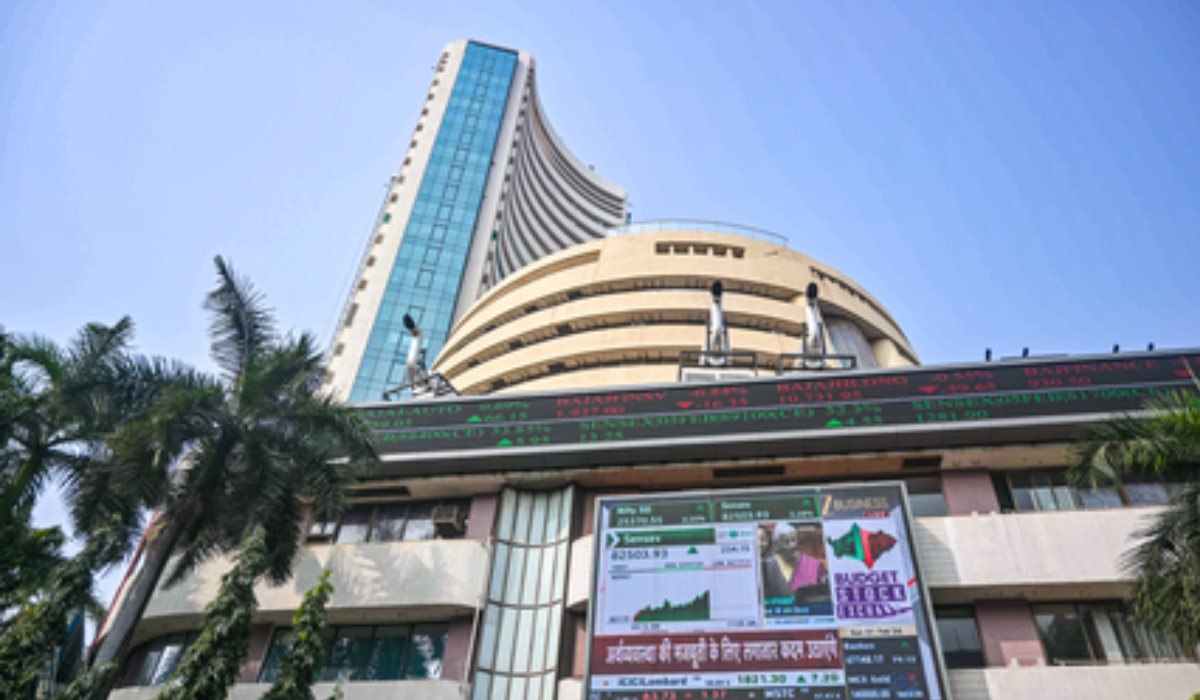
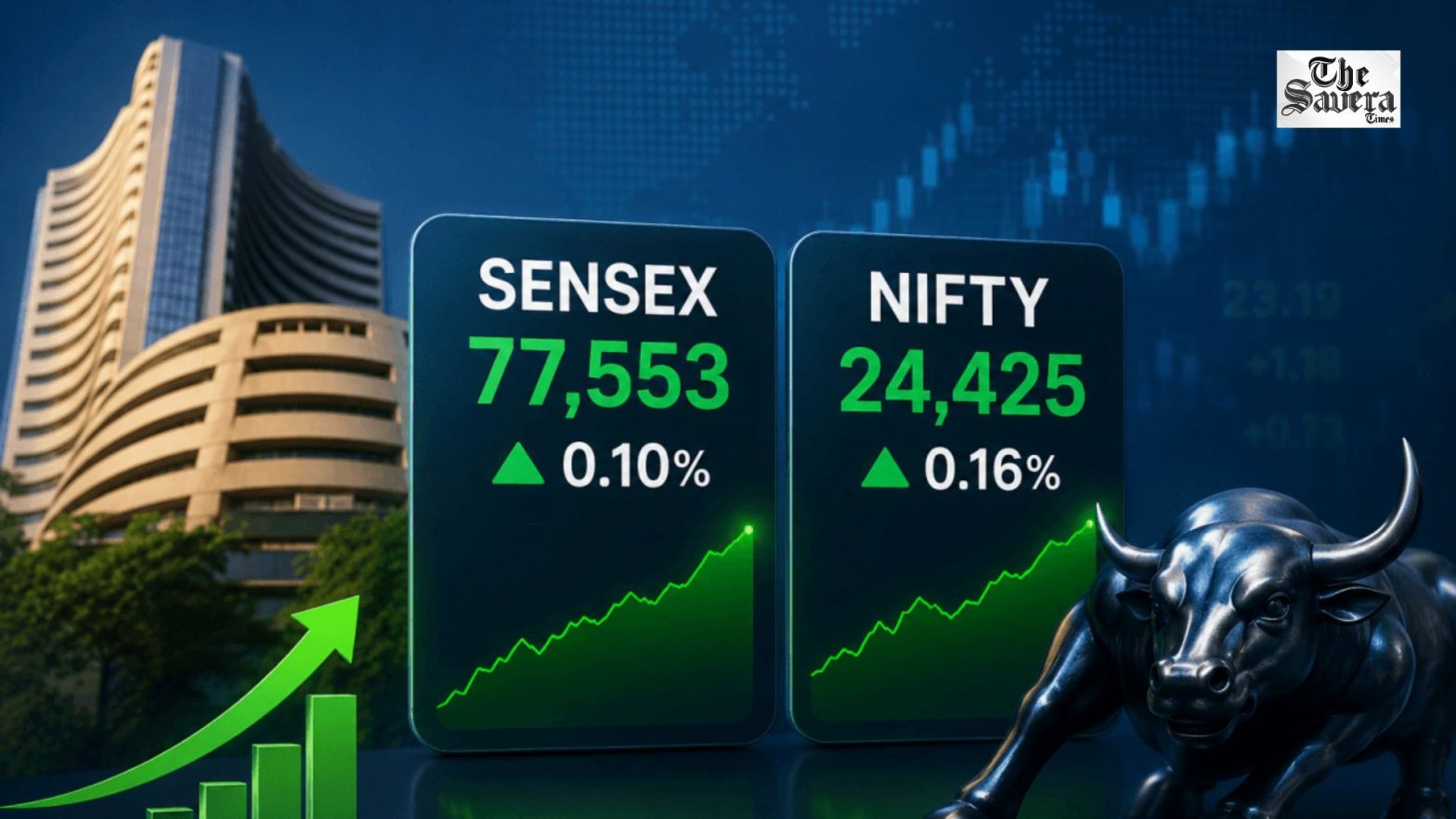
Indian benchmark indices traded higher in early trade despite renewed geopolitical tensions and rising crude oil prices. Banking, consumer durable and auto stocks supported the market, while IT shares remained under pressure.
Mumbai: The Indian stock market is expected to take cues from the start of the June quarter earnings season, global geopolitical developments, crude oil price movements, foreign investor activity and currency trends in the coming week. Benchmark indices ended higher for the third consecutive session on Friday, with the Sensex rising 262 points to close.
Mumbai: Indian benchmark equity indices extended their winning streak for a fourth consecutive week, supported by a sustained decline in crude oil prices, improving global market sentiment and expectations of a more accommodative interest-rate environment. The Nifty 50 gained 0.89 per cent during the week and closed 0.39 per cent higher at 24,270 on Friday. The.
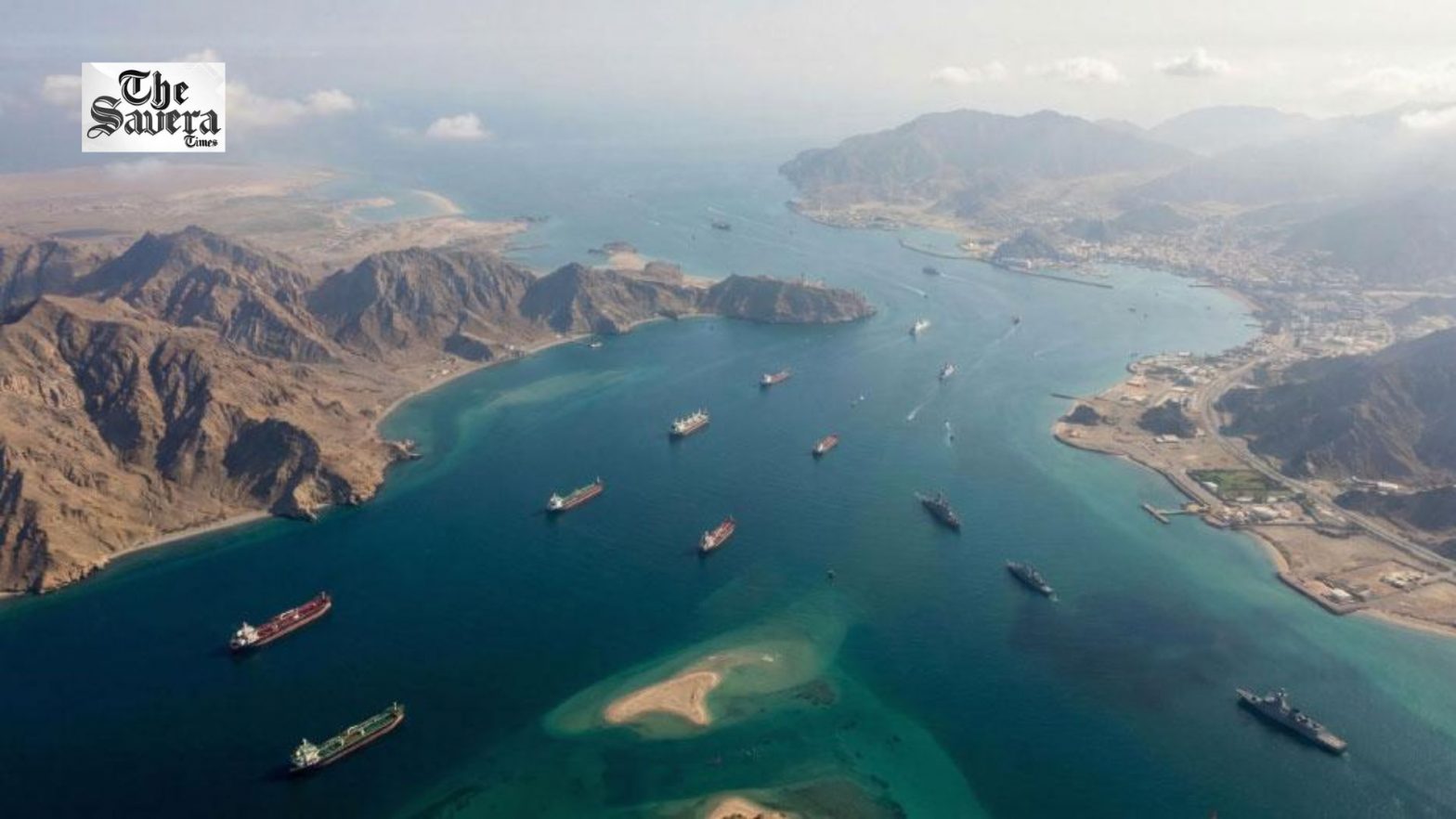
Despite minor tensions, the Strait of Hormuz has reopened after the ceasefire between the US and Iran. It is in the interest of all Gulf countries, including Iran, to ensure unhindered passage of containers carrying the petrol and gas they produce, which constitute a fifth of the world’s total supply. The situation in the Gulf.