Last Updated: October 8, 2026
Last Updated: October 8, 2026





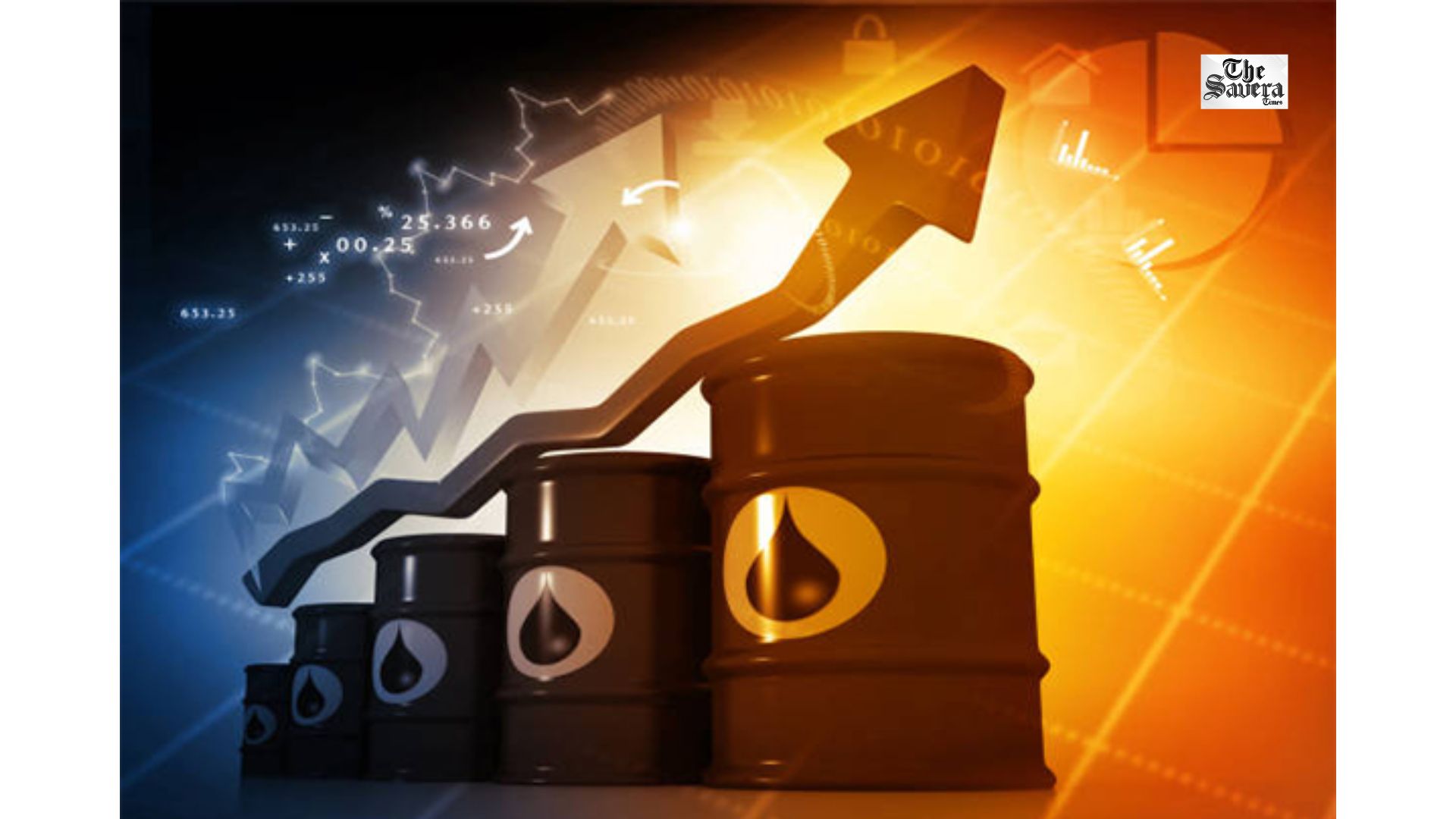
New Delhi: The sharp rise in global crude oil prices amid escalating tensions in West Asia has raised concerns over its impact on India, but analysts believe the situation does not pose a macroeconomic crisis for the country at present.
The impact will largely depend on whether the oil price shock remains brief or continues for several months, and whether it results in a significant disruption to physical oil supplies.
India Has Buffers Against Oil Shock
Brent crude has climbed above $100 a barrel amid heightened geopolitical tensions. However, India currently has several economic buffers, including relatively low inflation, a manageable current account deficit and substantial foreign exchange reserves.
India’s current account deficit stood at 0.8 per cent of GDP in the first half of FY26. Meanwhile, the country’s forex reserves increased by $44.90 billion to a record $785.71 billion in the week ended September 4, according to data released by the Reserve Bank of India (RBI).
Dr Manoranjan Sharma said the situation could become more challenging if crude remains above $100 a barrel for several months or if shipping through key West Asian routes is disrupted.
Higher Crude Could Push Inflation And Fiscal Pressure
India remains heavily dependent on imported crude oil, with around 88.6 per cent of its crude requirement being met through imports during April-January FY26.
According to RBI research, a $10-per-barrel increase in crude oil prices can add around 49 basis points to headline inflation. If the government absorbs the shock, the impact on the fiscal deficit could be around 43 basis points.
Higher oil prices can also raise the cost of transportation, food and manufactured goods while reducing real incomes and consumption. Government measures such as excise-duty cuts or subsidies could temporarily protect consumers from higher prices but would put additional pressure on government finances and oil marketing companies.
If average crude prices remain around $100 a barrel, India’s FY27 current account deficit could widen to around 1.9-2.2 per cent of GDP, compared with the projected 0.7-0.8 per cent.
The impact would also vary across industries. Airlines, paints, chemicals, logistics, cement and consumer companies could face margin pressure, while upstream producers such as ONGC and Oil India could benefit from higher crude prices.
Renewable energy, electric vehicles and domestic gas could also attract greater long-term interest if elevated oil prices persist.
Also Read:
A team of Indian researchers developed a metal free porous material that can perform nearly as well as...

New Delhi: Prime Minister Narendra Modi welcomed policymakers, maritime leaders, and experts from around the world to the...

New Delhi: The outlook for onion availability has strengthened considerably with robust market arrivals and the commencement of...

New Delhi: The Delhi High Court on Wednesday permitted a senior director of Vivo Mobile India to travel...

New Delhi: INDIA bloc leaders, including Leader of Opposition in the Lok Sabha Rahul Gandhi and Congress MP...

Varanasi: Uttar Pradesh Chief Minister Yogi Adityanath on Wednesday said that the state has undergone a major transformation...

Aries: The day will be auspicious...