Last Updated: October 20, 2026
Last Updated: October 20, 2026





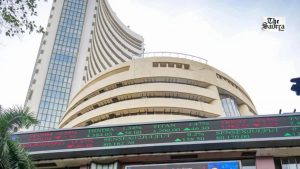
Despite minor tensions, the Strait of Hormuz has reopened after the ceasefire between the US and Iran. It is in the interest of all Gulf countries, including Iran, to ensure unhindered passage of containers carrying the petrol and gas they produce, which constitute a fifth of the world’s total supply. The situation in the Gulf War has certainly changed. Israel may remain engaged in clashes with Hezbollah in Lebanon, but the prospect of a prolonged war appears unlikely. This is having a direct impact on the market.
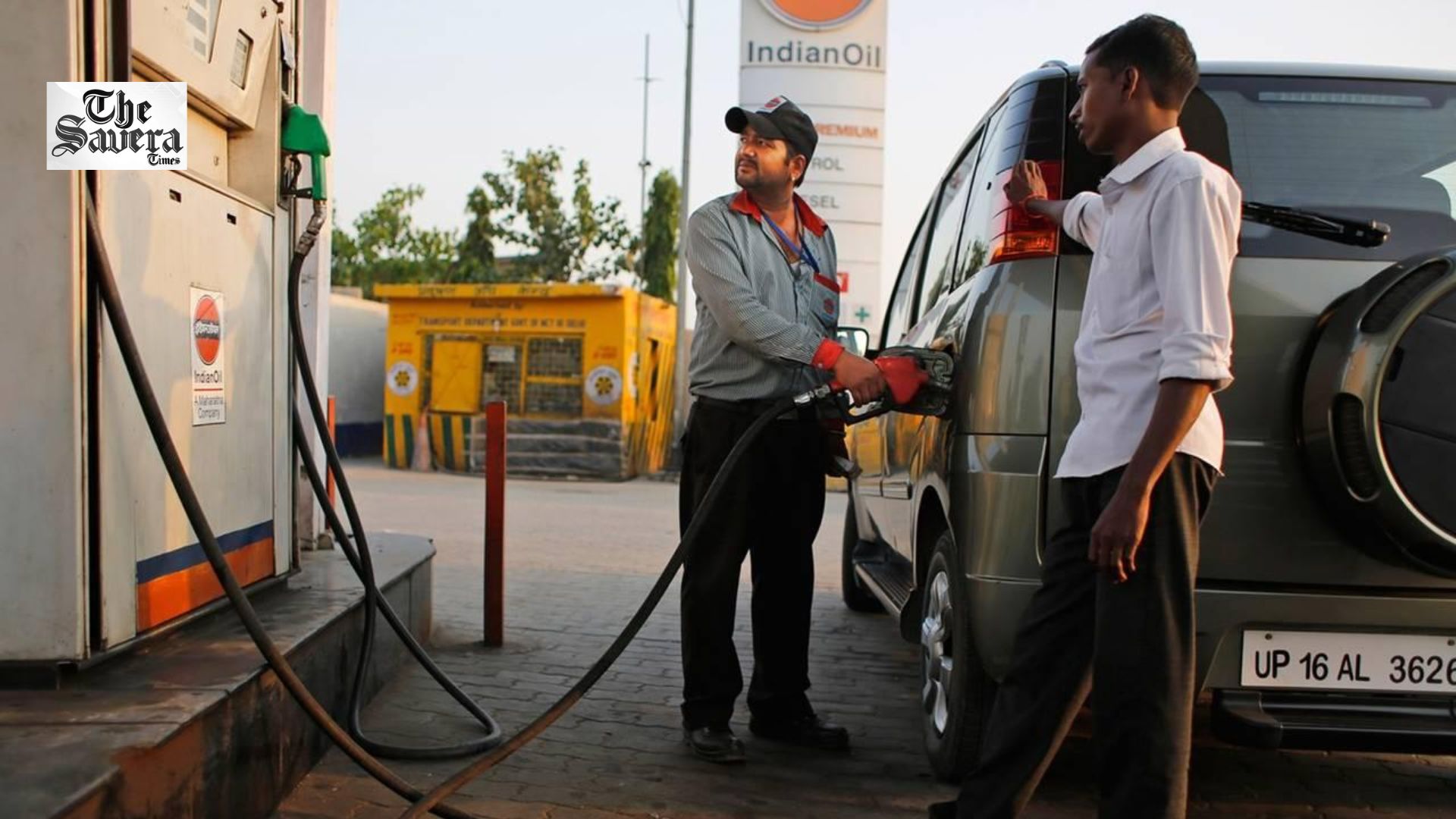
Crude oil, which had reached $120 per barrel during the US-Iran war, has now fallen to $70 per barrel. There is a growing demand in India for petrol and diesel prices to be reduced for the common man, providing some relief. The Indian government has lifted the limit on diesel purchases and reduced the price of 19-kilogram commercial gas cylinders, but there are also demands for a reduction in the price of domestic gas cylinders. Following the decline in crude oil prices, petroleum prices must also fall, and the excuse that petroleum companies are recovering losses incurred during difficult times should not be used. This is simply a fallacy.
Donald Trump has issued a strong statement in the US, demanding that American petroleum companies immediately reduce petrol prices. In his social media post, he wrote, “When crude oil prices have reached $68 per barrel, why aren’t they reducing petroleum prices?” Trump has asked American companies to reduce prices by at least $2.50 per gallon.
It’s likely that petroleum prices will also fall in India, as the petroleum company Nayara has reduced the price of petrol by Rs 5 per liter and diesel by Rs 3 per liter. Major companies in the country sell petrol to the general public, but they haven’t reduced prices yet. If private companies can reduce prices, why can’t government companies? Let’s see when these major companies provide relief to ordinary consumers by reducing petroleum prices.
US Secretary of State Marco Rubio said on Tuesday that India and the US are very close to...
Model Shraddha Dubey, one of the main accused in the death of Lucknow businessman Shiv Sharma, has been...

Amidst comparisons of youth protests in India to political movements and regime changes in France, Nepal, and Bangladesh,...
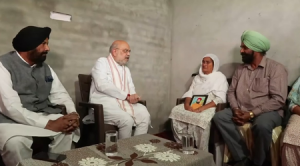
Gurdaspur: Union Home Minister Amit Shah on Tuesday met with the families of those who spoke out against...
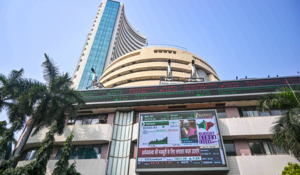
Indian stock markets will be closed on Tuesday on the occasion of Dussehra. Trading in key segments on...
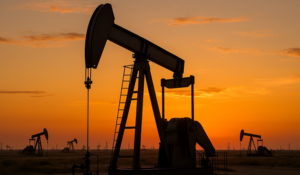
New Delhi: Global crude oil prices advanced on Tuesday, hovering near a five-month high as traders continued to...
Aries: The day will be auspicious...