Last Updated: October 12, 2026
Last Updated: October 12, 2026





-Abhishek Vij
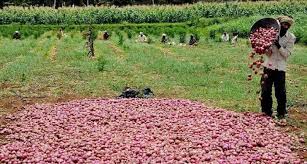
Punjab presents a strong picture of agriculture in the country. It would not be an exaggeration to say that the hard work of Punjab’s farmers is behind the success of the Indian government’s program of distributing subsidized food grains to its 81 crore people. No matter the weather—floods or droughts, heavy rains or no signs of clouds, or even thunderstorms striking standing crops in the fields—Punjab’s crop cycle always delivers satisfactory results. These results are undoubtedly due to the hard work of the farmers and the generous attitude of the current government, which has led to a crop revolution in Punjab, despite no announcement, crop diversification, and a pulses-sowing revolution knocking at the door of Punjab’s development. Punjab’s main crop cycle is wheat and paddy. Whether it’s the Rabi or Kharif season, when crops flourish in the fields and the grain surplus is used to fill the country’s storage facilities, a problem arises that causes concern for farmers and millers. Whether it’s a sugarcane or paddy crop, there’s always a shortage of warehouses to store the crop. However, the problem isn’t that there are too many warehouses, but rather that the warehouses are overflowing with previous stockpiles. Wheat and paddy warehouses face a similar story. A bumper paddy harvest is about to arrive, but farmers and millers are worried about the availability of warehouses to store the crop. The Punjab government is understandably concerned. Warehouses are still holding stock from the past four years. Grain warehouses are overflowing. This agricultural prosperity is beyond control. Inspect grain warehouses from Rampura Phul to other corners of Punjab; these warehouses hold over 29 million metric tons of past grain. It’s the Food Corporation of India’s job to collect this grain and distribute it to millers. Millers are responsible for separating ordinary rice and basmati rice for export abroad. But no one can control the situation. The weather plays a game of hide and seek with normal life. The season that is meant to be in season disappears. Consequently, the pace of lifting grain from warehouses in sufficient quantities at the right time will inevitably slow. Currently, there are 5,500 rice millers in Punjab producing paddy and basmati. Amidst international tensions, the disruption of trade and the unpredictable tariff policies of Donald Trump, the world’s economic leader, have hampered India’s other exports, and basmati exports have also suffered. While the initial stock has not been lifted, preparations are underway for a new stock to arrive. The Punjab government had planned to build a new series of warehouses in the state, but even with sincere efforts, every plan takes time to complete. This is precisely what has happened in Punjab. When the current rice crop arrives, the availability of warehouses will not be sufficient. If the government commits itself to building additional rows of warehouses, which is included in its core programs, this problem could be resolved soon
Chief Minister Bhagwant Singh Mann said Punjab has, for the first time, got a government focused on delivering...

The Aam Aadmi Party (AAP) Punjab Media In-charge Baltej Singh Pannu has demanded Union Home Minister Amit Shah’s...

The Supreme Court on Monday refused to stay the CBI probe into allegations of corruption leveled against Punjab...

Two unidentified men allegedly opened fire at Rightway Visa Consultants in Ludhiana late Sunday night. Police are examining...

The Punjab and Haryana High Court has sought the state government's response in the pending DA arrears case...

AAP Punjab leaders condemned the Delhi Police action during the October 10 protest and demanded Amit Shah’s resignation....

Aries: The day will be auspicious...