Last Updated: October 11, 2026
Last Updated: October 11, 2026





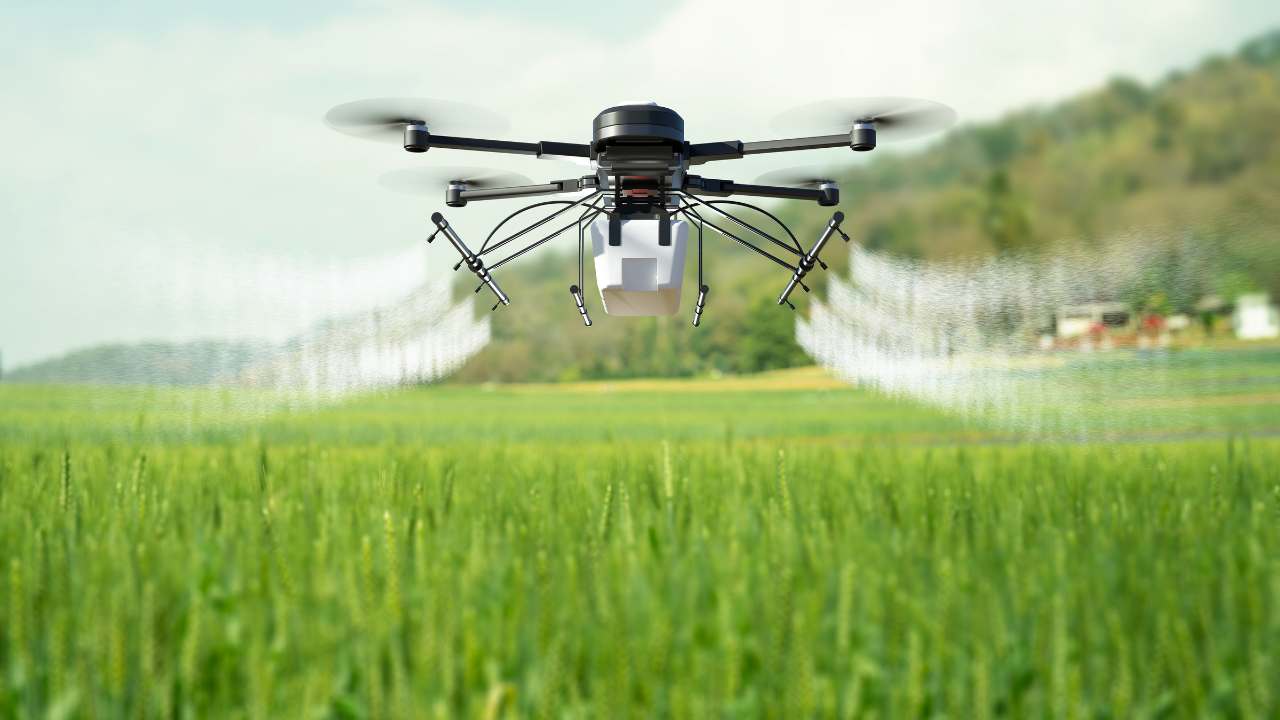
India’s agriculture is at a pivotal moment. With the population projected to reach approximately 1.5 billion by 2030, food demand is expected to surge by nearly 70%. Meeting this growing requirement is a significant challenge, especially given that agriculture already consumes almost 80% of the country’s freshwater and operates on small, fragmented landholdings averaging just 1.08 hectares per farmer. To maintain productivity while protecting the environment, India’s agricultural practices must evolve, and precision agriculture offers a promising path forward.
Precision agriculture, also known as smart farming, leverages advanced technology to optimise the use of water, fertilisers, and pesticides, enabling higher productivity while reducing environmental strain. Unlike traditional methods that treat entire fields uniformly, precision farming allows for the precise management of crops at a micro-level.
Tools such as GPS mapping, drones, soil and crop sensors, satellite imagery, and data analytics provide real-time insights into crop health, nutrient needs, and water requirements. This enables farmers to apply resources only where and when they are needed. This data-driven approach is reshaping farming practices in India.
Farmers can respond quickly to issues like nutrient deficiencies, water stress, or pest infestations, ensuring crops grow healthier and yields improve. For instance, farmers in Punjab, Maharashtra, and Tamil Nadu have reported yield increases of 10–30% through these methods. By optimising resource use, precision agriculture not only boosts output but also reduces waste and helps make harvests more predictable — a key factor in addressing India’s rising food demand sustainably. Water scarcity is among the most pressing challenges for Indian agriculture.
Erratic rainfall patterns and declining groundwater levels make efficient irrigation essential. Precision irrigation systems, such as drip and sprinkler setups guided by soil moisture sensors, ensure crops receive exactly the water they need. Similarly, GPS-guided fertiliser spreaders and drone-assisted pesticide application reduce overuse of chemicals, preserving soil health and protecting nearby water bodies from contamination.
Beyond conserving natural resources, these technologies also help farmers cut costs. Although the initial investment in precision agriculture can be high, the long-term economic benefits are substantial. Optimised use of seeds, fertilisers, and pesticides reduces expenses, while mechanisation and automation, like sensor-controlled irrigation or drone spraying, decrease reliance on manual labour — a growing concern as rural populations decline due to urban migration. Over time, these efficiencies offset upfront costs, making precision agriculture financially sustainable.
The CJP clarified that a petition circulating on social media over the alleged detention of its leaders was...

CJP founder Abhijeet Dipke and leaders Saurav Das and Ashutosh Ranka were placed under preventive arrest amid security...

India has criticised the UN human rights office’s concerns over police action against CJP protesters in Delhi, citing...

Uttar Pradesh CM Yogi Adityanath and Union Minister Nitin Gadkari greet people on the first day of Sharadiya...

New Delhi: Delhi Traffic Police has announced traffic restrictions and possible diversions at around 30 key intersections and...

Pakistan’s religious minorities continued to face violence, discrimination and persecution throughout 2025, with blasphemy accusations and minority women...

Aries: The day will be auspicious...