Last Updated: October 22, 2026
Last Updated: October 22, 2026





Abhishek Vij
Despite the new penal code’s promise of faster and fairer justice, the past year has seen little actual change. Speedy justice remains elusive: the system still allows delays, and hopes for prompt acquittals or convictions based on concrete evidence often go unfulfilled. This highlights a persistent disconnect between reform intent and judicial practice.
Even today, justice has not been delivered quickly; rather, petitions suggest plans to delay it. There are two types of cases: civil and criminal. As far as criminal cases are concerned, these crimes are serious. These criminal cases cover everything from rape to murder, kidnapping to illegal rioting and violence. However, the court found that these criminal cases continue to languish, sometimes due to police connivance, sometimes due to the attitude of lawyers, and sometimes due to absconding witnesses. When a case is filed and the actual hearing is delayed, the accused are taken advantage of and released on bail. Those granted bail must also provide a financial guarantee. The government has passed a law that states that if the alleged accused is poor, the government will pay a bail of up to one lakh rupees, and the accused will be released on bail. However, the most widespread irregularities are seen in civil cases.
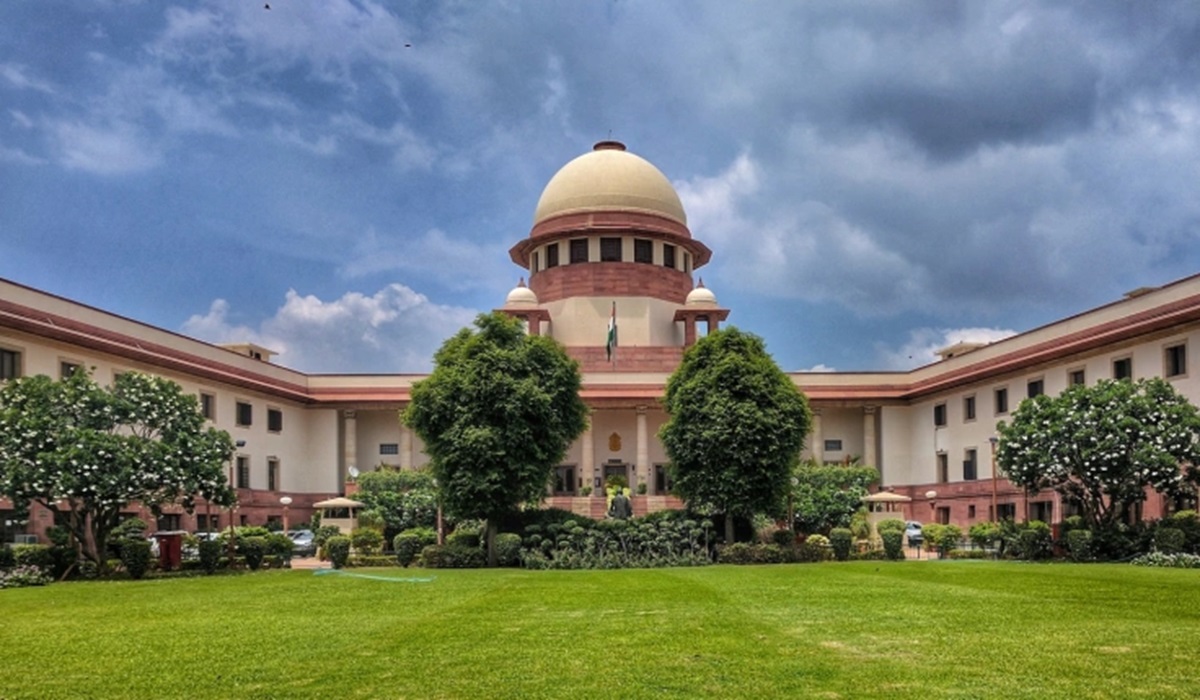
Nationwide court surveys show that even after implementing the new Penal Code, delays in executing justice are common. Even when a court decree is granted, securing its enforcement drags on for years, leaving those seeking justice frustrated. The Supreme Court recently underscored this problem, emphasizing that an unenforced judgment is meaningless regardless of legal reforms.
This is a travesty of justice. It has described this situation as dangerous and extremely disappointing if it continues even under the new criminal process. If it takes years for the victim to receive justice even after the implementation of the new judicial process, it cannot be called justice. As the Supreme Court has found, in civil cases, it is unacceptable for a decree to take years to be executed.
The Supreme Court has called this a travesty of the judicial process. Therefore, a framework for implementing decisions must be established. While there are many rhetorical claims about this framework, why does it still take three or four years for civil court decisions to be implemented? Isn’t it essential that advocates of the judicial process bring about radical changes in the implementation of decisions, from top to bottom? Only if this process is open and clear will it ensure prompt justice for the public. The administration should heed the Supreme Court’s concerns.
Good Evening Viewers! Get the latest updates from India and around the world with The Savera Times Evening...

Bharatiya Janata Party (BJP) National General Secretary Smriti Zubin Irani launched a scathing attack on Congress MP and...

New Delhi: Cockroach Janata Party (CJP) leaders Saurav Das and Ashutosh Ranka will be released from judicial custody...

According to police, three suspicious young men are seen in CCTV footage. Efforts are underway to identify them....

A video has surfaced of an alleged attempted assault on Jan Suraj Party's Bihar president Manoj Bharti. The...

Two accused have been convicted and sentenced to 10 years of rigorous imprisonment in a 2017 drug trafficking...

Aries: The day will be auspicious...