Last Updated: September 26, 2026
Last Updated: September 26, 2026





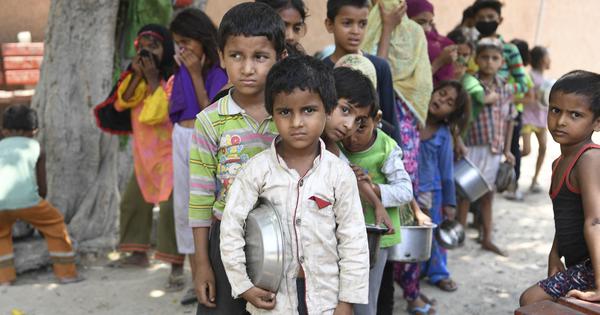
Gone are the days when large families were the norm in Punjab; some households even had seven or eight children. We are now in the era of Gen Z, and families have become smaller. Today’s youth, driven by career ambitions, either avoid marriage altogether or delay it; they show little interest in having and raising children. Some households even embody the “we two, our one” philosophy. The Prime Minister’s Economic Advisory Council (EAC-PM) has released a working paper on Punjab, noting that the state’s traditional family structures have vanished, giving way to a new paradigm. The country’s Total Fertility Rate (TFR) stands at 1.9. To maintain current population levels, the rate needs to be higher than 1.9; however, in Punjab, it has dropped to 1.4. Maintaining the country’s existing demographic structure requires a fertility rate of 2.1. Yet, the situation has shifted drastically. Young people are consumed by the desire to build careers and earn money, often pursuing these goals relentlessly. The prevailing mindset in Punjab prioritizes jobs and income first, followed by marriage—with the idea of having more than two children rarely even entering the picture. Consequently, middle-class families in Punjab have confined themselves to smaller units. Compounding this is the rapidly growing dream among young people to move abroad. The traditional view that marriage and a large family are essential is fading. This shift in mindset has driven Punjab’s fertility rate down to 1.4, implying a future where the number of children declines while the elderly population grows. An aging population will necessitate new arrangements for healthcare and livelihood support, while fewer children will lead to reduced investment in child-centric industries and education. The situation in Haryana and Himachal is also not ideal; however, the fertility rate stands at 1.9 in Haryana and 1.5 in Himachal Pradesh, whereas in Delhi, it has dropped to 1.2. This implies that as the race for prosperity intensifies, the inclination to have children is declining, and the age at which people marry is rising. Family structures in Punjab and neighboring states are undergoing such significant changes that governments will be compelled to revise their policies. This is a matter of concern that requires thorough deliberation to formulate policies for Punjab’s economic future.
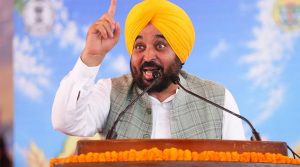
Harm-reduction services provided by the Punjab government, led by Chief Minister Bhagwant Singh Mann, are becoming an important...
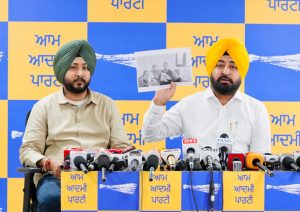
Chandigarh: The Aam Aadmi Party (AAP) Punjab leaders and volunteers protested outside the GMADA (Greater Mohali Area Development...

Cabinet Minister Hardeep Singh Mundian on Thursday hit back at BJP leader Ravneet Singh Bittu over his claims...
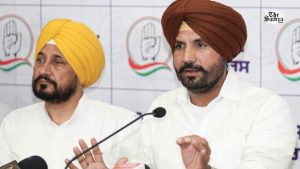
Punjab Congress will hold a protest march to the ECI office in Sector 17, Chandigarh, over the SIR...

The Punjab and Haryana High Court complex was evacuated after a bomb threat on Friday, with police and...

Chandigarh: Punjab Congress President Amarinder Singh Raja Warring on Thursday demanded that the Special Intensive Revision (SIR) of...
Aries: The day will be auspicious...