Last Updated: October 18, 2026
Last Updated: October 18, 2026





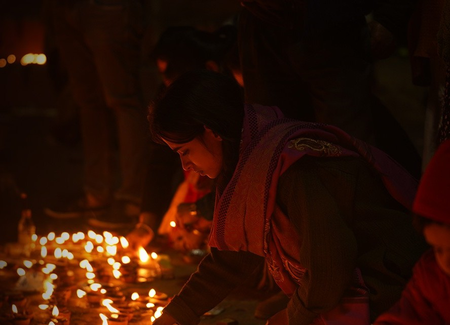
Deepavali, one of India’s most widely celebrated festivals, has officially been inscribed on the UNESCO Representative List of the Intangible Cultural Heritage of Humanity. The announcement was made during the 20th session of the Intergovernmental Committee for the Safeguarding of Intangible Cultural Heritage, held at the historic Red Fort in New Delhi. This global acknowledgement marks a significant milestone for India, recognizing Deepavali not merely as a festival but as a living heritage that has shaped cultural and social identity across communities for centuries.
🔴BREAKING🔴
Deepavali inscribed as sixteenth element on UNESCO’s Representative List of the Intangible Cultural Heritage of Humanity for the Republic of India. pic.twitter.com/JWCq7sGK5O
— UNESCO South Asia 🏛 #Education #Sciences #Culture (@unescoindia) December 10, 2025
UNESCO’s intangible heritage framework focuses on living traditions that are passed down across generations. Deepavali perfectly exemplifies this concept. Beyond its spiritual meaning, it is an amalgamation of diverse and evolving cultural practices lighting oil lamps, creating intricate rangoli patterns, preparing traditional sweets, performing rituals, donating to the needy, and celebrating in community spaces. These practices vary across India’s regions and cultures but share a unifying spirit of joy, harmony and renewal. The festival’s adaptability across religions and geographies is a key reason for its global resonance.
Deepavali’s inclusion underscores its role in fostering cultural unity. The festival is celebrated by Hindus, Sikhs, Jains and Buddhists with unique interpretations but shared symbolism of light overpowering darkness. In many regions, artisans, potters, painters and craft communities prepare for months to supply lamps, decorations, paintings, idols and sweets that form the backbone of the celebrations. These traditional skills, many of which are endangered, gain renewed recognition and support through the UNESCO inscription.
India has steadily expanded its presence in UNESCO’s Intangible Cultural Heritage list. Deepavali joins earlier entries such as Yoga, Kumbh Mela, Durga Puja, Garba, Ramlila, Vedic chanting, and traditional craftsmanship like the metalwork of the Thahera’s of Punjab. With this addition, India’s intangible heritage footprint strengthens its global cultural influence, positioning the country as a vibrant hub of living traditions that continue to evolve while preserving ancient roots.
The decision comes at a symbolic moment—India is hosting the ICH session for the first time, with the Red Fort serving as the venue. Hosting the event allowed India to present its diverse cultural heritage to the world. Delegates from nearly 80 countries attended the session, during which Deepavali’s nomination stood out for its cultural depth and global relevance. The backdrop of a UNESCO-listed monument illustrated the seamless connection between tangible monuments and intangible traditions.
Deepavali’s global recognition is expected to benefit local artisans, performing artists, ritual specialists and craft communities who keep the festival’s traditions alive. It also strengthens India’s cultural diplomacy, enhancing the country’s soft power globally. The Indian diaspora, which celebrates Deepavali across continents, gains an additional layer of cultural identity through this heritage tag. Moreover, the UNESCO status may lead to new preservation initiatives, research efforts and international collaborations aimed at safeguarding festival-associated crafts and rituals.
Indian leaders and cultural scholars have hailed the recognition as a proud moment. Many describe it as a tribute to India’s civilizational continuity and cultural richness. Cultural organizations and community groups have expressed hope that the listing will encourage future generations to stay connected with traditional forms of celebration, especially at a time when urban lifestyles risk overshadowing indigenous practices.
Deepavali’s inscription creates momentum for other Indian cultural practices to be nominated in coming years. As UNESCO increasingly recognizes diverse human traditions, India is expected to continue advocating for the safeguarding of its local festivals, performing arts, crafts and traditional knowledge systems.
Victories in universities and colleges underline the organisation’s campus presence, with similar gains reported in Delhi, Punjab and...
A three year old Swarnlata Mishra was travelling with her father through Katni in Madhya Pradesh. As their...

In the past few years, incidents of religious conversion have been increasing in the country. Discussions about Christian...
India’s space sector is undergoing a rapid commercial transformation following policy reforms that have opened the industry to...

Can former Kerala Chief Minister Pinarayi Vijayan emerge from a barrage of investigations with his political reputation intact,...

The rhetoric of regime change and the romanticisation of Bangladesh’s uprising risk undermining the very democratic institutions that...
Aries: The day will be auspicious...