Last Updated: October 21, 2026
Last Updated: October 21, 2026





Dehydration occurs when your body loses more fluids than it takes in. Dehydration should not be taken lightly, as even mild dehydration can affect your body’s energy levels, skin health, digestion, and concentration. We know that water makes up nearly 60% of the human body; thus, staying hydrated is essential for proper functioning.
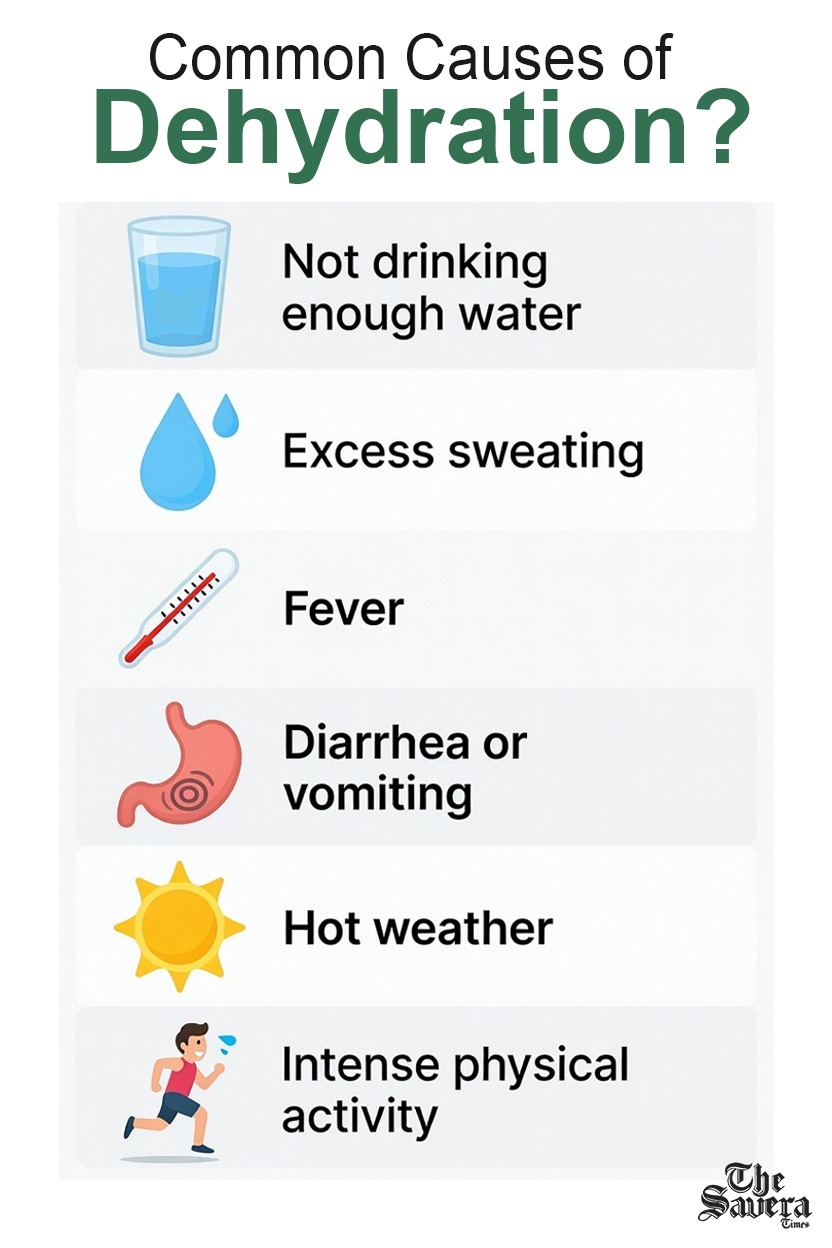
While needs vary, a general guideline is:
Please note that water requirement vary body to body. Its best that you Listen to your body and adjust accordingly.
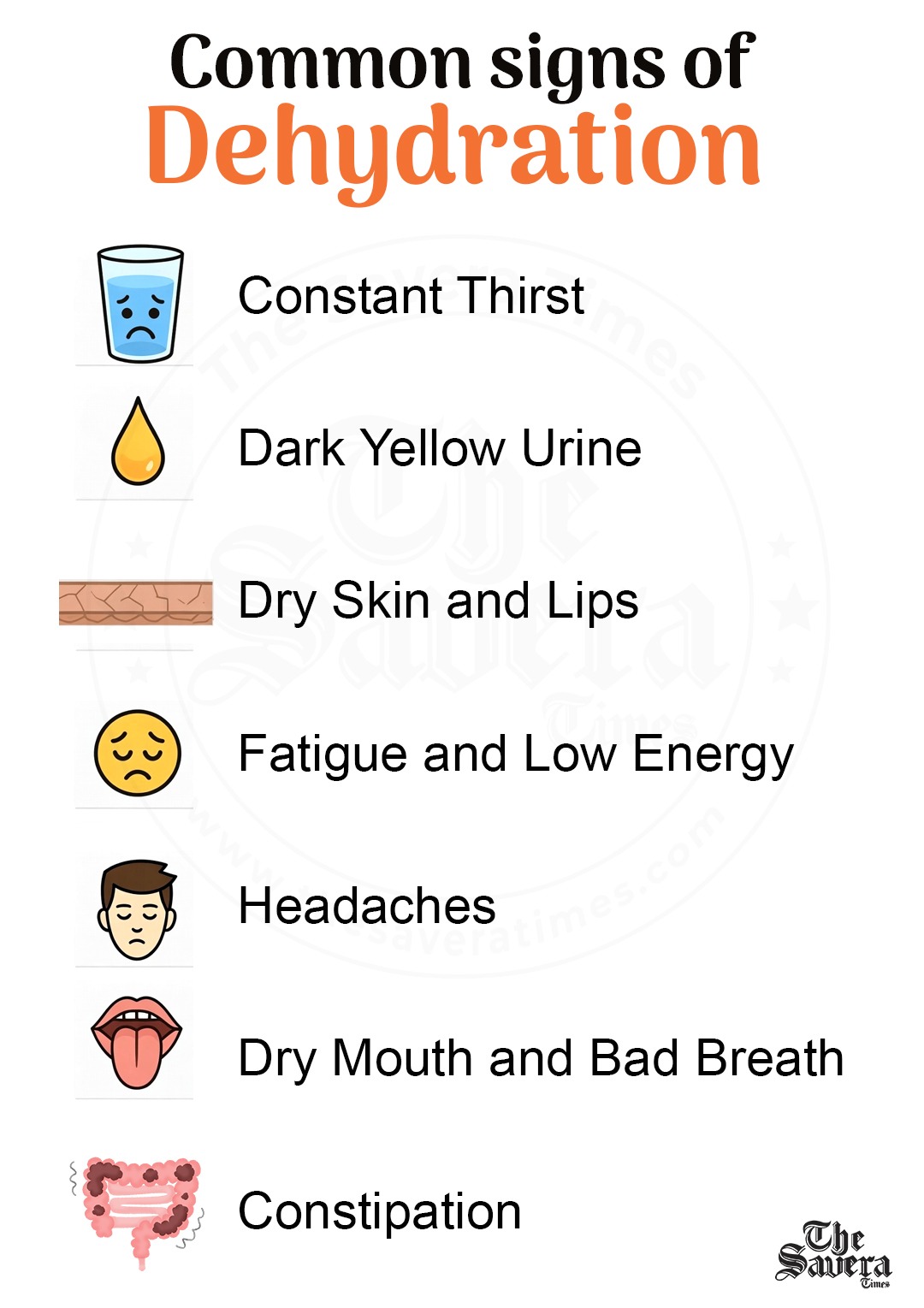
Thirst is the most obvious and early sign of dehydration. If you frequently feel thirsty, your body is already asking for fluids. What you should take care is that don’t wait until you’re extremely thirsty. Sip water regularly throughout the day.
Urine color is one of the easiest ways to check hydration levels. Its an indicator which tells you about the hydration levels.
This will help you to know if you are hydrated or not. If you notice darker urine consistently, it means that you need to increase your water intake.
Dry, flaky skin and chapped lips can indicate dehydration. Your skin may also lose elasticity as body is not getting enough water it needs. Try the simple skin pinch test: gently pinch the skin on your hand if it takes time to return to normal, you may be dehydrated.
Water helps transport nutrients and oxygen in your body. When dehydrated your body and different organs may not be getting nutrients and proper oxygen. As a result of which you may feel, Tired weak and dizzy. Even mild dehydration can reduce energy and concentration levels so its is necessary that you should drink water timely.
Dehydration is a common cause of headaches. Reduced fluid levels may temporarily shrink brain tissue, triggering pain and discomfort. Drinking water often helps relieve dehydration-related headaches.
Saliva production decreases when you’re dehydrated. And if saliva production decreased it will be leading to Sticky mouth, Bad breath and Dry throat. Staying hydrated helps maintain oral health.
Electrolyte imbalance due to fluid loss can cause muscle cramps, especially during exercise or hot weather. Hydration with water and electrolyte-rich fluids can help prevent this.
Low fluid levels may reduce blood pressure, leading to dizziness especially when standing up quickly. If dizziness persists, consult a healthcare professional.
Water helps move waste through the digestive system. Dehydration can slow digestion and cause constipation. Thus, drinking enough fluids supports healthy bowel movements.
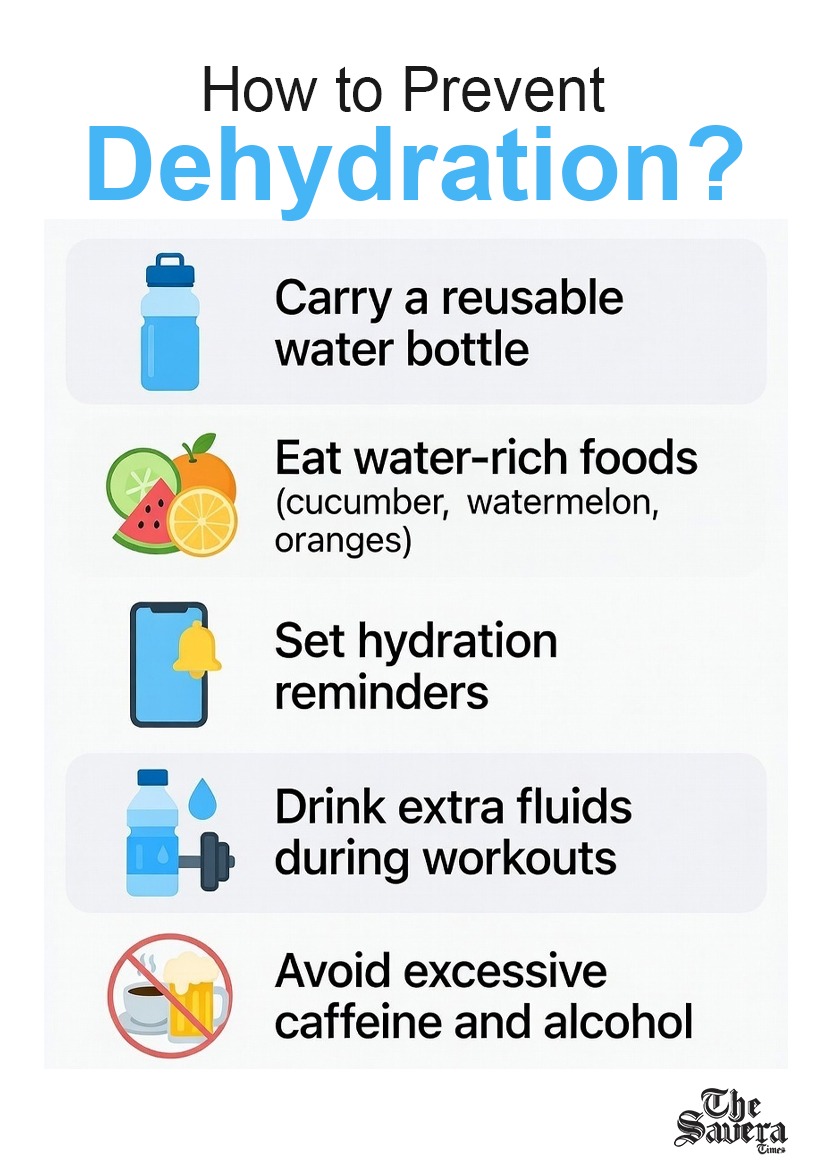
Dehydration is common but preventable. Paying attention to early warning signs like thirst, dark urine, fatigue, and dry skin can help you stay healthy and energized.
Imagine a universe where stars still shine, planets still form and water exists, but liquids are so thick...
In This is the age of artificiality, of artificial intelligence. A few years ago, experiments were conducted to...

International clean air funding during 2023-24 showed a dual win for global public health, as targeted clean air...
Sri Krishna says, "He who has renounced action through yoga and dispelled his doubts with knowledge becomes established...

Two oxygen-producing compounds, including one that boosts performance in some laundry detergents, might one day play a key...

A significant loss of plant diversity could result in grasslands wor ldwide , including meadows and pastures, absorbing...

Aries: The day will be auspicious...