Last Updated: September 22, 2026
Last Updated: September 22, 2026





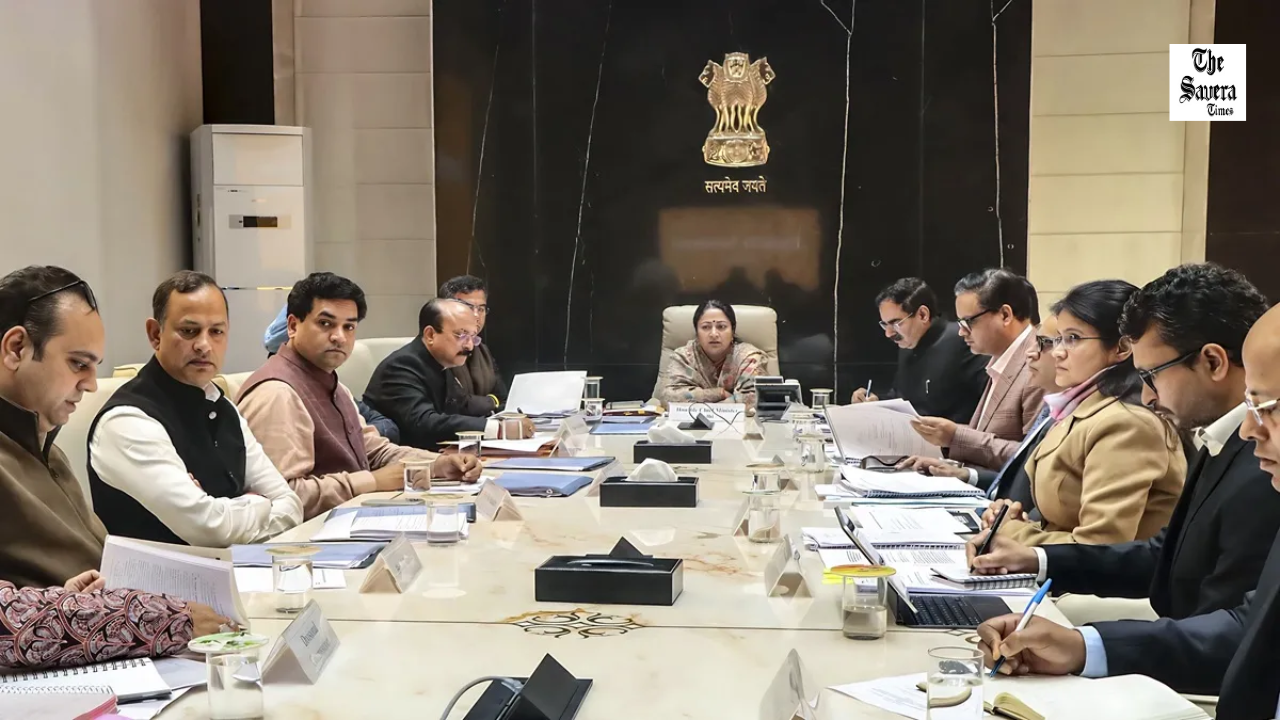
Delhi Chief Minister Rekha Gupta on Friday unveiled a comprehensive four-year blueprint aimed at significantly reducing air pollution levels across the National Capital Region (NCR). The ambitious roadmap sets out clear targets and timelines to address chronic smog, vehicular emissions, dust pollution and other contributing factors that have long plagued Delhi’s air quality.
The blueprint is designed to bring about a substantial decline in PM2.5 particulate matter — a key indicator of air pollution linked to respiratory and cardiovascular diseases. Officials emphasized that the plan is clear, measurable and results-oriented, pulling together actions from transport, industry, infrastructure, and enforcement agencies in a coordinated effort.
A core pillar of the strategy involves enhancing public transport systems. The plan envisages a significant increase in public bus services, expansion of the Delhi Metro network, and integration of feeder services to reduce dependence on private vehicles. Traffic congestion points have been identified for decongestion work, and additional personnel will support traffic management to reduce vehicular emissions.
Recognizing road dust as a major pollution source, the blueprint calls for mechanized dust control and sweeping across the city. Large-scale road reconstruction projects are also underway, covering thousands of kilometers of city and PWD roads — projects expected to curb dust emissions while improving traffic flow.
Under Delhi’s updated Electric Vehicle (EV) Policy 2.0, authorities plan to boost the adoption of electric two-wheelers, three-wheelers and commercial vehicles. The number of EV charging and battery swapping points will expand significantly to support cleaner mobility options, backed by subsidies and incentives to encourage a faster transition.
To improve accessibility, the government aims to pilot integration of e-autos, bike taxis and feeder cabs with major metro stations. This pilot — due to start soon — is part of the government’s effort to ensure last-mile connectivity and reduce private vehicle use on congested corridors.
CM Gupta underscored the importance of coordination with the Central Government, stressing that no procedural or budgetary constraints hinder the plan’s implementation. Departments have been tasked with time-bound action, and pollution control enforcement will be tightened to ensure compliance from industries and other polluting sectors.
Jaipur: The political tussle over the Tijara Municipal Council Chairperson election, which began on Monday morning, continued late...

United Nations: External Affairs Minister (EAM) S. Jaishankar has urged countries sharing international objectives to act together against...
Stay updated with The Savera Times Morning Bulletin. Get the latest breaking news, top headlines, national, international, business,...

New Delhi: In a shocking incident, a 17-year-old girl was gang-raped by three men posing as cops at...
Chennai: Tamil Nadu Chief Minister, C. Joseph Vijay, will launch the expanded Perunthalaivar Kamaraj Breakfast Scheme at the...

United Nations: External Affairs Minister S Jaishankar met with European Union (EU) and some Indo-Pacific foreign ministers and...
Aries: The day will be auspicious...