Last Updated: October 22, 2026
Last Updated: October 22, 2026





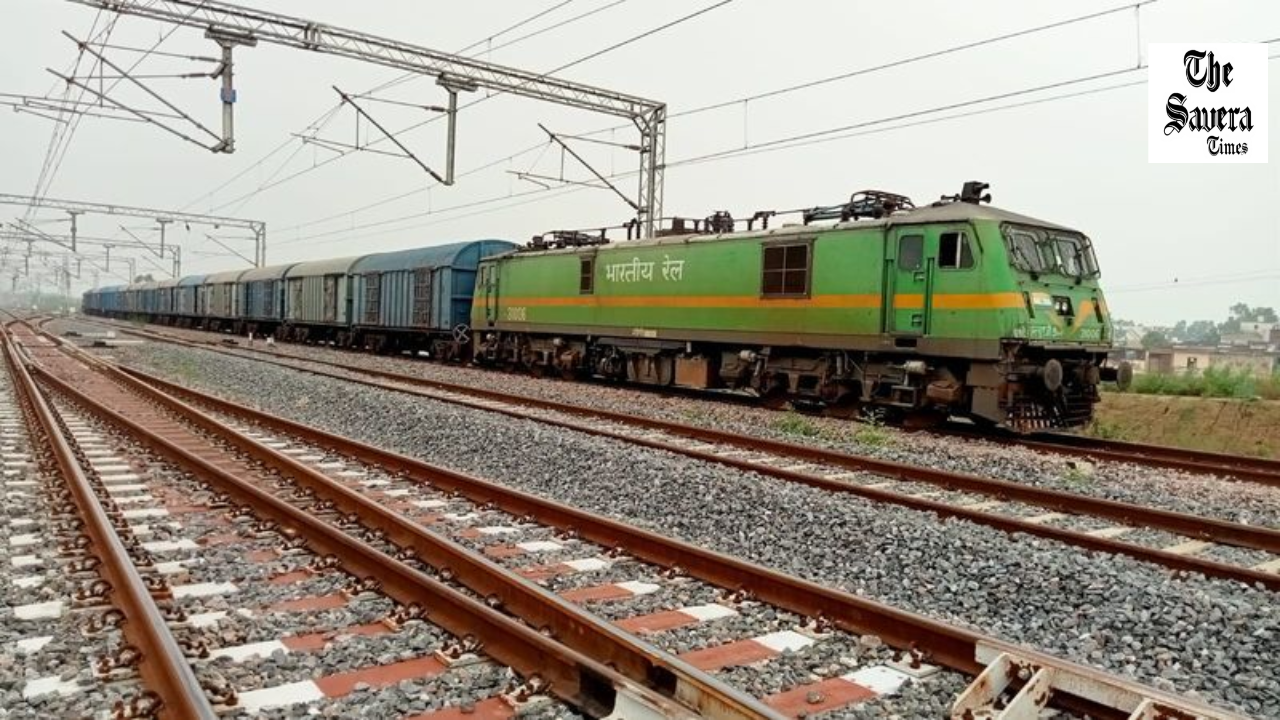
The Union Cabinet has approved a major infrastructure push with a ₹5,983 crore sanction for constructing third and fourth railway lines between Delhi and Ambala, covering a distance of 194 km. The move is aimed at enhancing capacity, decongesting one of northern India’s busiest rail corridors, and improving the speed and efficiency of passenger and freight movement on this strategic route. (tribuneindia.com)
Railway officials say the additional lines will significantly reduce travel time and ease pressure on the existing two tracks, which currently handle a high volume of long‑distance, commuter, and freight trains.
The approved project will involve laying new broad‑gauge tracks, upgrading signalling systems, constructing bridges, and improving station infrastructure along the Delhi‑Ambala stretch. The third and fourth lines are expected to benefit freight corridors, passenger express services including Rajdhani and Shatabdi trains, and regional commuter traffic.
Officials highlight that the capacity augmentation will support India’s broader economic ambitions by facilitating quicker movement of goods from northern industrial belts to ports and consumption centres, while also offering reliable and faster travel options to passengers.
Once completed, the new lines are expected to decongest the existing Delhi‑Ambala tracks, which currently face bottlenecks due to mixed traffic. Trains often experience delays, especially during peak hours, affecting both passenger punctuality and freight logistics. The additional tracks will allow simultaneous running of slow and fast services, providing improved punctuality and operational flexibility.
Railway authorities believe that this infrastructure upgrade will also help in reducing accidents and collisions, as better track allocation and signal improvements enhance safety standards.
The project aligns with the Centre’s focus on strengthening national transport infrastructure and improving the rail network’s capacity to handle growing demand. By expanding key rail links such as the Delhi‑Ambala corridor, the government aims to support economic growth, reduce road congestion, and cut down logistics costs across northern India.
Officials say the increased rail capacity is crucial for bolstering inter‑state trade and mobility, especially for perishable goods, industrial products, and daily commuters who rely on rail services between Delhi, Haryana, and Punjab.
The Ministry of Railways has initiated preparatory work, including land acquisition, feasibility studies, and tendering for contractors. Detailed project reports (DPRs) will outline construction phases, cost breakdowns, and timelines. Completion is expected in phases, subject to regulatory approvals and resource allocation.
Railway engineers and planners have underlined the importance of completing the project within budget and on schedule, which will require coordination between central ministries, state governments, and local stakeholders.
Piyarelal, a 44-year-old labourer from Madhya Pradesh, was allegedly beaten with sticks after an argument in Gurugram's Nihal...

The CIA Mill Gate team arrested Rajat, a Hisar resident, after recovering a revolver, a .32-bore pistol and...

Congress Parliamentary Party (CPP) Chairperson Sonia Gandhi launched her account on the social media platform Instagram on Thursday.

Congress MP Priyanka Gandhi Vadra's son, artist and photographer Rehan Vadra, has alleged that the Bikaner House administration...

Good Afternoon Viewers! Get the latest news from Punjab, the country, and the world with The Savera Times...

Amit Shah has said the Congress will not return to power for the next 30 years. He also...

Aries: The day will be auspicious...