Last Updated: October 12, 2026
Last Updated: October 12, 2026





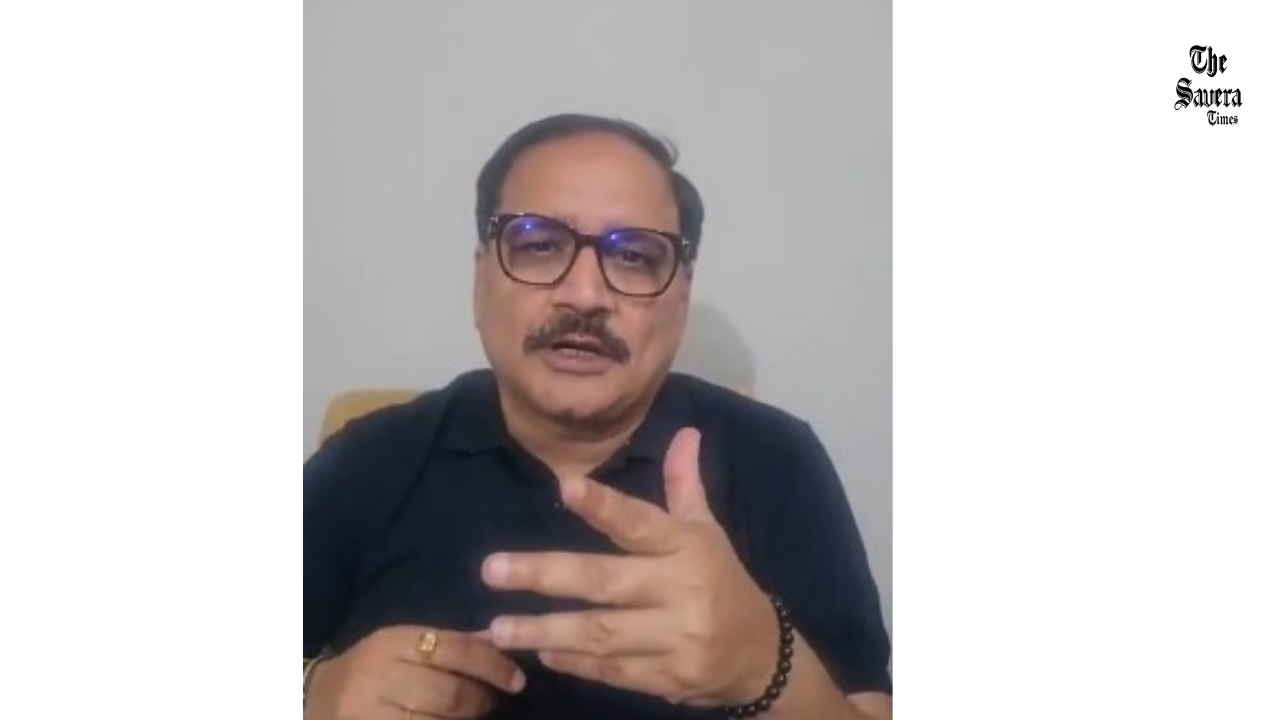
After a Delhi court discharged Arvind Kejriwal and Manish Sisodia in the contentious excise policy case on 27 February 2026, the Delhi unit of the Bharatiya Janata Party (BJP) sharply criticized the judgment, accusing the AAP leaders of having destroyed evidence and asserting that the verdict reflected a lack of substantive proof rather than actual innocence.
In a statement released hours after the Rouse Avenue Court’s order, BJP State President **Virendra Sachdeva** claimed that law enforcement agencies had repeatedly alleged that evidence was tampered with or destroyed during the investigation, and that the court’s discharge simply reflected procedural gaps rather than exoneration.
Sachdeva argues that despite investigative leads and repeated claims by central agencies that critical evidence was mishandled or suppressed, the prosecution failed to present compelling material that satisfied the court’s standards. He contended that the CBI and other investigative agencies had encountered resistance during the probe and accused Kejriwal of exploiting legal technicalities to avoid accountability.
The BJP leader also criticized Kejriwal’s emotional response to the verdict, accusing him of engaging in “political theatrics” by appearing before the media crying and trying to gain public sympathy. Sachdeva claimed that such tactics were designed to divert attention from fundamental questions about alleged misconduct in the drafting and implementation of the excise policy.
In the same ruling, the court had pointed to “misleading averments” in the chargesheet and noted serious gaps in corroboration between the evidence and prosecution claims. Special Judge Jitendra Singh observed that the voluminous chargesheet contained contradictions and lacked the necessary material to establish criminal intent or a conspiracy, leading to the discharge of Kejriwal, Sisodia and 21 others.
While the verdict dealt a major blow to the prosecution’s case, it also triggered significant political reactions. The BJP’s criticism reflects broader dissatisfaction among opposition ranks with the outcome, even as the court emphasized that mere allegations without substantive evidence cannot sustain a criminal trial.
The ruling has reignited political debates across New Delhi and beyond. Leaders from the Aam Aadmi Party (AAP) celebrated the decision as a vindication of their long-standing claim that the case was politically motivated, while the BJP described the verdict as a setback in legal accountability.
Opposition parties such as the Congress and regional allies also voiced contrasting views. While some called the court’s decision a victory for truth and the judiciary, others echoed the BJP’s stance that justice has been delayed and that unresolved questions about the conduct of the policy and the investigation remain.
In particular, Congress leaders have alleged that the timing of the verdict ahead of pivotal state elections could influence political narratives, even as the BJP insists that its commitment to probing corruption remains unchanged.
Despite the court’s refusal to proceed to trial, the Central Bureau of Investigation (CBI) has reportedly said it will challenge the decision in the Delhi High Court, arguing that crucial aspects of the investigation were not adequately reviewed in the lower court’s order. The agency’s stated intent to appeal suggests that the legal battle over the excise policy case may continue for months ahead.
If the High Court agrees to hear the appeal, the case could eventually reach higher judicial forums and further prolong legal scrutiny of the excise policy and related allegations. Meanwhile, the BJP’s statement after the verdict underscores its determination to continue spotlighting perceived investigative flaws and unresolved evidence issues.
Good Evening Viewers! Stay updated with The Savera Times Evening Bulletin for the latest news from Punjab, India...

eader of the Opposition in the Lok Sabha, Rahul Gandhi and 10 other INDIA bloc leaders have moved...
Amidst protests in central Delhi, the Delhi Metro Rail Corporation (DMRC) announced the reopening of entry and exit...
The Delhi Police has registered an FIR regarding the alleged disturbance at the Bangla Sahib Gurdwara in...

The Delhi Police on Monday removed Jantar Mantar from the list of officially designated protest sites. The police...

The Supreme Court on Monday clarified that it has not passed any judgment on the Election Commission's (ECI)...

Aries: The day will be auspicious...