Last Updated: November 24, 2026
Last Updated: November 24, 2026




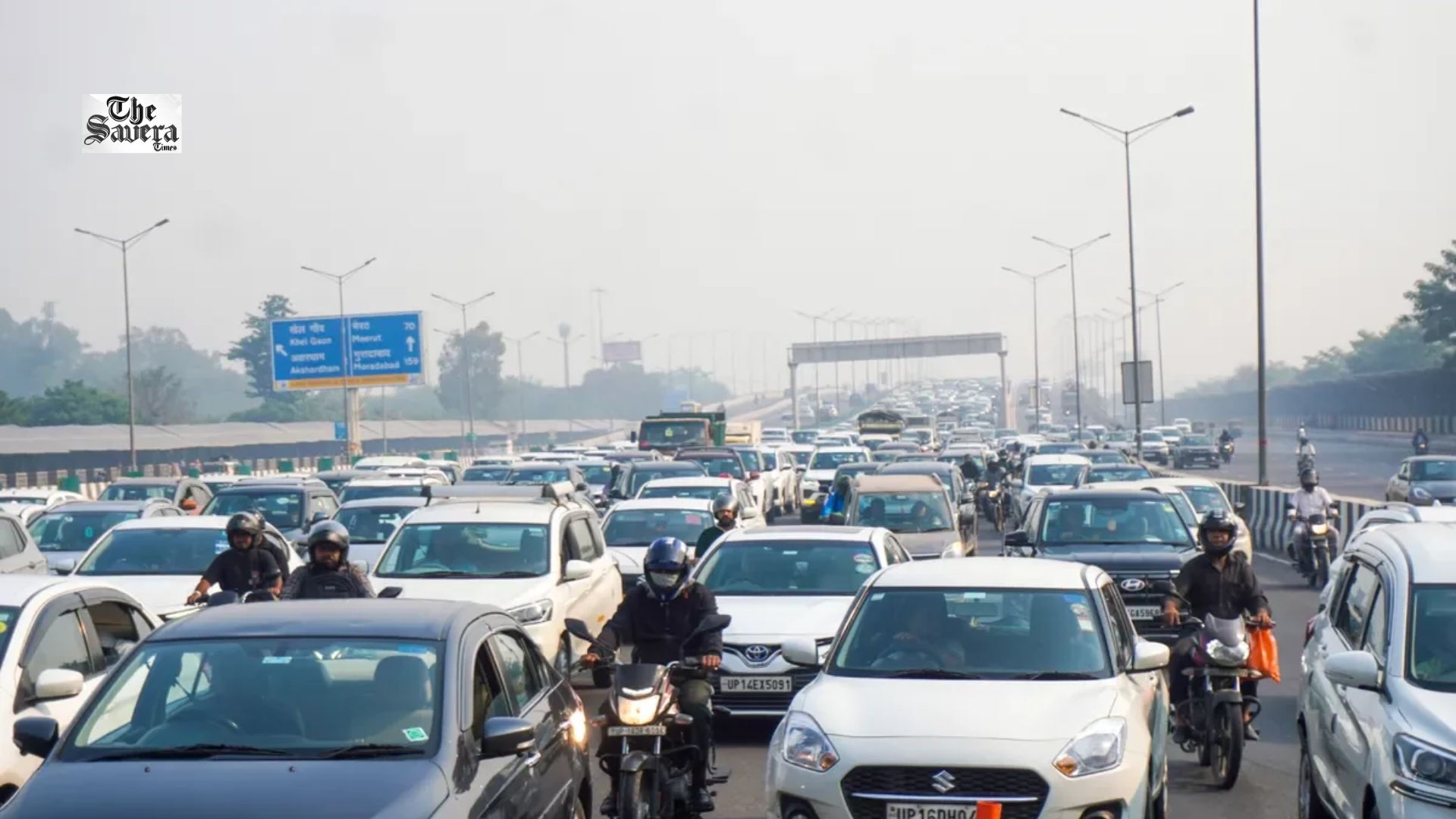
New Delhi: The Chamber of Trade and Industry (CTI) has expressed concern over suggestions to allow only BS-VI compliant vehicles to enter Delhi and gradually restrict the entry of commercial vehicles. The organisation warned that such measures could severely affect the national Capital’s trade, industrial activities and consumers.
The concerns were raised during the ongoing Supreme Court hearing on air pollution in Delhi-NCR, where restrictions on vehicle entry were discussed.
CTI Chairman Brijesh Goyal said controlling pollution was essential, but implementing such restrictions without adequate preparation could directly affect more than 2 million traders, entrepreneurs, transporters and consumers in Delhi. He added that including their family members, the livelihoods of more than 5 million people could be impacted.
Goyal, along with CTI General Secretary Ramesh Ahuja, said the organisation supported measures to improve air quality but stressed that Delhi was not only the national Capital but also one of North India’s biggest commercial hubs.
“Stopping pollution is necessary, but not by killing businesses,” Goyal said.
He explained that millions of tonnes of essential commodities, including vegetables, fruits, milk, groceries, medicines, textiles, electronics, electrical equipment, automobile parts, dry fruits, footwear, garments and construction materials, enter Delhi every day.
“If commercial vehicles are not allowed into Delhi, the city’s trade will come to a standstill,” he said.
CTI Warns of Higher Transportation Costs and Job Losses
Highlighting seven major concerns, CTI said transportation costs could increase two to three times if goods were required to be unloaded at warehouses near Delhi’s borders and then transported into the city through smaller electric vehicles.
The organisation said additional expenses on loading, unloading, warehouse rentals and electric vehicle transportation would eventually be passed on to traders and consumers.
It also warned that lakhs of small transporters and tempo owners could lose their livelihoods. According to CTI, more than 80 per cent of goods entering Delhi currently arrive through BS-III and BS-IV vehicles, while many small operators may not have the financial capacity to purchase new BS-VI compliant vehicles.
CTI further cautioned that delays of four to six hours during the transfer of perishable goods could disrupt the supply of vegetables, fruits, milk and medicines. This could lead to higher prices and inconvenience for consumers.
Industries and Wholesale Markets Could Suffer
The organisation said the proposed restrictions could force industries operating in Bawana, Narela, Okhla, Mayapuri, Jhilmil and Badarpur to relocate to neighbouring areas such as Ghaziabad, Bahadurgarh, Manesar, Sonipat and Faridabad.
Such a shift, it warned, could result in employment losses in Delhi.
CTI also expressed concern that established wholesale markets, including Sadar Bazaar, Chandni Chowk, Khari Baoli, Bhagirath Palace, Gandhi Nagar and Kashmiri Gate, could lose business to warehouses operating in the National Capital Region (NCR).
It additionally highlighted the lack of adequate warehouses, cold storage facilities, electric vehicle fleets and charging infrastructure. According to the organisation, imposing restrictions without making these arrangements could disrupt e-commerce, courier services and construction activities.
CTI Places Five Demands Before Authorities
To address its concerns, CTI placed five demands before the authorities:
A written roadmap should be prepared in consultation with traders and transporters before implementing restrictions.
Compensation and subsidies should be provided to owners of BS-IV vehicles.
The government should fund infrastructure for warehouses, cold storage facilities and EV charging stations.
Delhi-NCR should be treated as a single economic entity while framing vehicle-entry restrictions.
Separate exemptions should be provided for essential commodities, including vegetables, fruits, milk, medicines and groceries.
Goyal said the organisation respected the Supreme Court and recognised the importance of environmental protection. However, he stressed that decisions should also consider their impact on traders, transport workers and Delhi residents.
He said any decision could affect the livelihoods of 2 million traders, more than 8 lakh transport workers and 2 crore Delhi residents. He urged authorities to consult traders and transporters before taking a final decision.
Goyal called for a balanced approach that addresses air pollution without disrupting businesses and livelihoods.
A bipartisan coalition of 32 US states and the District of Columbia has backed Epic Games in its...

Indian stock markets will remain closed on Tuesday for Guru Nanak Jayanti. While NSE and BSE will suspend...

The Supreme Court on Monday expressed serious concern over the ever-increasing air pollution in Delhi-NCR.
A man allegedly attacked policemen with a knife at Delhi's Jama Masjid police station on Monday afternoon.
A case of breaking off a marriage due to non-fulfillment of dowry demands has come to light in...

Mumbai: The Indian stock market witnessed a significant decline on Monday. The Sensex and Nifty fell by about...
Aries: The day will be auspicious...