Last Updated: October 12, 2026
Last Updated: October 12, 2026





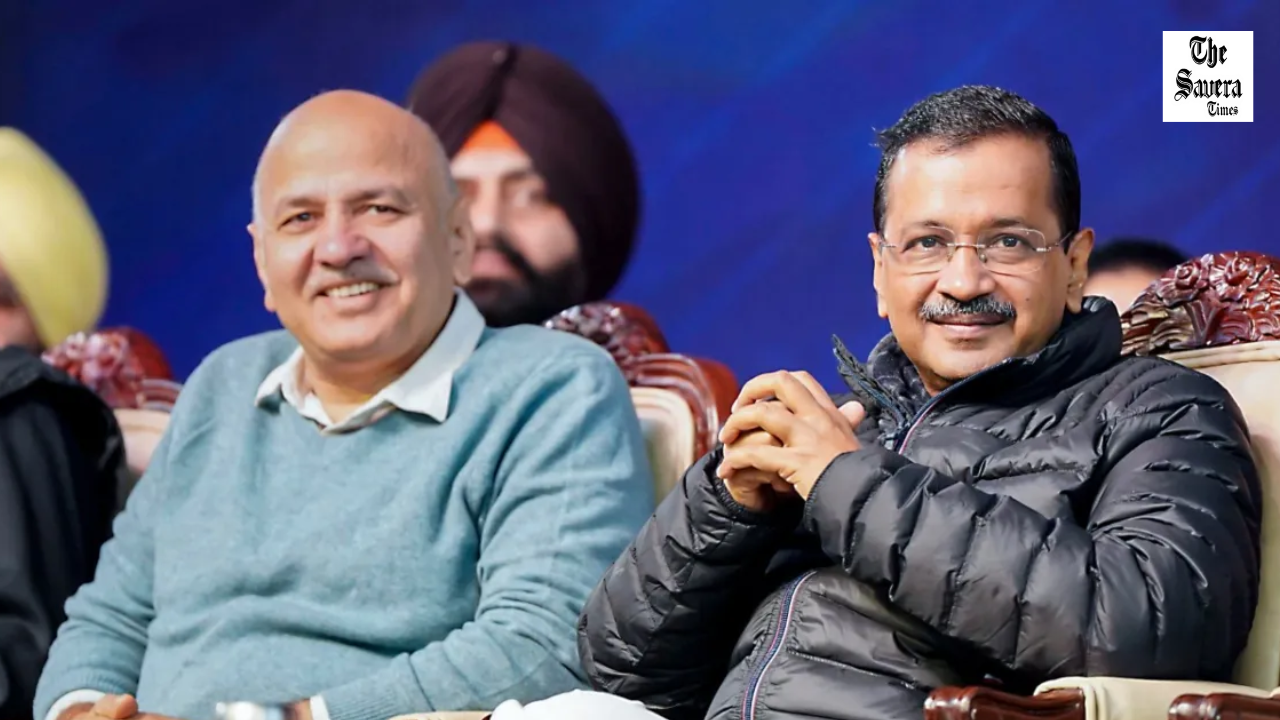
In a significant judicial rebuke to the Central Bureau of Investigation (CBI), a Delhi court on 27 February 2026 ordered a departmental inquiry against the CBI officer who investigated the controversial Delhi excise policy (liquor) case that involved former Delhi leaders Arvind Kejriwal and Manish Sisodia. The court’s decision came alongside the discharge of all 23 accused, after ruling that the prosecution failed to present sufficient material evidence to sustain charges.
The order was passed by Special Judge Jitendra Singh of the Rouse Avenue Court, which found major flaws in the investigation’s methodology and questioned the integrity of the case.
In its detailed order, the court said that the conduct of the Investigating Officer (IO) was troubling and showed a “complete disregard for facts.” It observed that the CBI had prosecuted public servants who were merely performing routine duties on the basis of inadmissible hearsay statements and statements from an approver, rather than on solid evidence.
The court stated that the officer had adopted a “conscious and calculated stratagem” by keeping allegations deliberately fluid, enabling the possibility of implicating individuals even if the prosecution case failed judicial scrutiny. This approach, the judge said, was particularly disturbing and could harm the credibility of investigative agencies if left unchecked.
At the heart of the court’s criticism was the conclusion that the CBI’s chargesheet in the excise policy case contained extensive internal contradictions, significant gaps, and lacked corroboration from witness testimony or other material evidence. The judge pointed out that without concrete proof of criminal intent or an overarching conspiracy, there was no basis for proceeding with the prosecution.
Special Judge Jitendra Singh observed that the prosecution had built its narrative excessively on approver statements and general allegations rather than tangible evidence, making the case legally unsustainable. This formed a key reason for both discharging the accused and recommending disciplinary action against the investigating officer.
Alongside ordering the inquiry, the court discharged former Delhi Chief Minister Arvind Kejriwal, former Deputy Chief Minister Manish Sisodia, and 21 others from all charges in the excise policy case, noting the absence of a prima facie case.
The ruling has triggered a strong reaction from political quarters. Kejriwal described the verdict as vindication of honesty and criticised what he termed a politically motivated prosecution, while the CBI has indicated its intention to appeal the discharge order in the Delhi High Court.
The court’s directive to initiate a departmental inquiry against the CBI officer underscores growing judicial scrutiny over how high-profile investigations are conducted in politically sensitive cases. Legal experts say this move highlights the need for transparency, strict adherence to evidentiary standards, and accountability for officers who conduct probes that could otherwise undermine public trust in law-enforcement institutions.
By explicitly criticising investigative lapses and recommending disciplinary action, the Delhi court has sent a clear message about the judiciary’s role in upholding constitutional principles and ensuring that investigative agencies are held to high professional standards.
The Delhi Police has registered an FIR regarding the alleged disturbance at the Bangla Sahib Gurdwara in...

Amidst heavy security and barricades by the Delhi Police, INDIA Bloc leaders began a protest march towards the...
A 48-year-old man, Pawan Sharma, died after an alleged altercation over a senior citizen seat at Delhi’s Supreme...

Security has been tightened across central Delhi ahead of the INDIA bloc’s planned march towards the Supreme Court...
Delhi Police have registered an FIR following a DSGMC complaint alleging that AAP leaders and workers entered Bangla...
The Cockroach Janata Party plans to approach Parliament Street Police Station for permission to hold a peaceful protest...
Aries: The day will be auspicious...