Last Updated: October 23, 2026
Last Updated: October 23, 2026





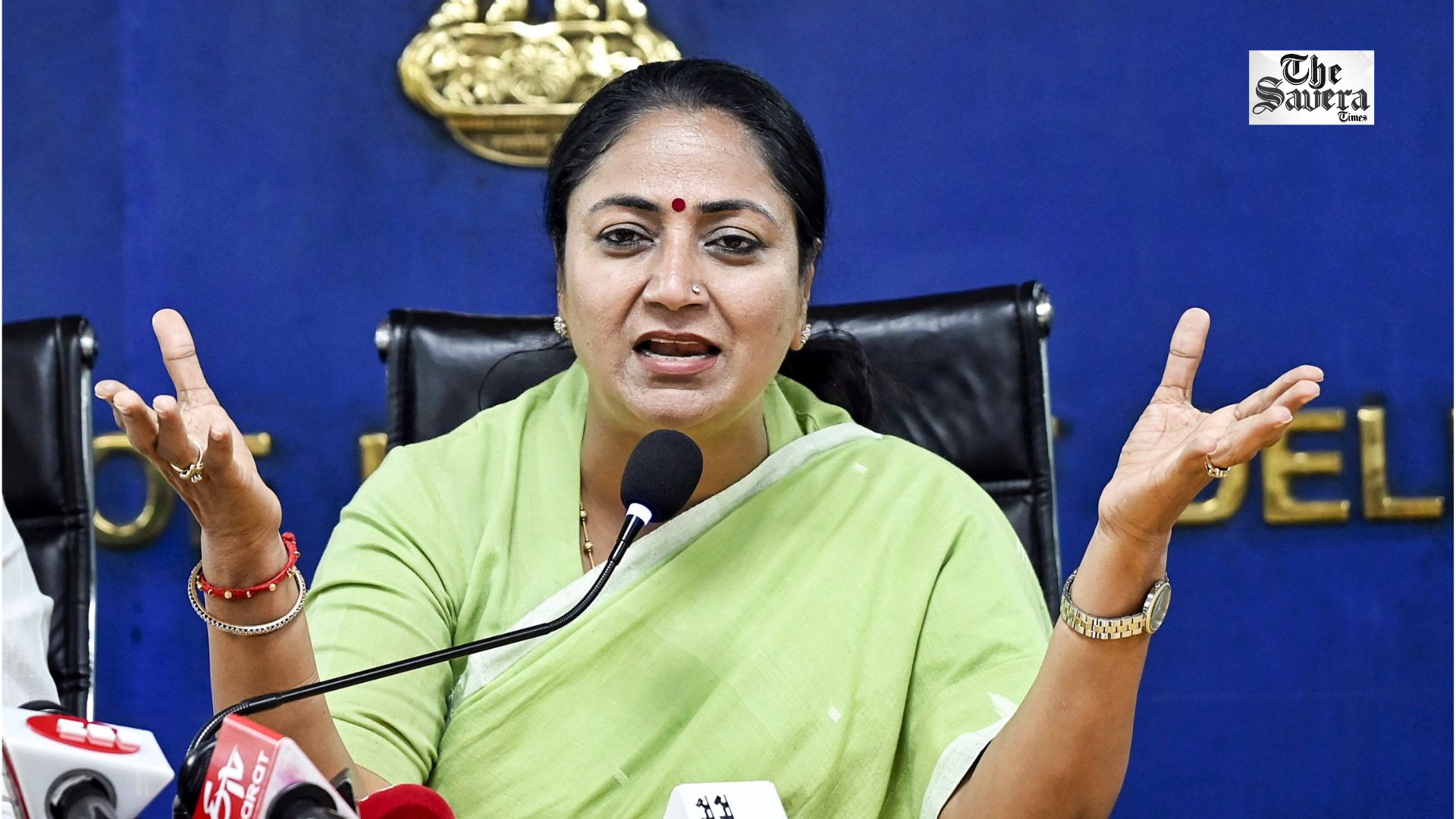
New Delhi: Delhi Chief Minister Rekha Gupta on Sunday said the government’s new Electric Vehicle (EV) Policy is designed to provide an end-to-end solution for reducing pollution, promoting sustainable transport and making electric vehicles the preferred mode of mobility across the national capital.
She said the policy goes beyond purchase incentives by focusing on charging infrastructure, vehicle scrapping, e-waste management and long-term environmental sustainability.
Comprehensive EV Roadmap to Cut Pollution
Speaking to IANS, Gupta said the new EV Policy has been framed to address Delhi’s pollution challenges through a holistic approach.
“The EV policy was a very big need for this city. It was important to bring it in a framework that provides end-to-end solutions. We have not only provided subsidies, but also scrapping incentives, focused on charging infrastructure, introduced mandates, and prepared a complete plan for an e-waste plant,” she said.
The Chief Minister added that the government is tackling pollution through multiple measures, including dust mitigation, plantation drives and reducing vehicular emissions.
“Pollution is one of Delhi’s biggest challenges. We have worked on a 360-degree solution. Along with dust mitigation and a plan to plant 70 lakh trees, we have focused on reducing vehicular emissions by promoting electric mobility,” Gupta said.
She highlighted that Delhi already operates around 4,500 electric buses, the highest among Indian states, and said fresh tenders have been floated under the PM E-Drive initiative to further expand the fleet.
Charging Infrastructure Key to EV Adoption
Gupta said the government aims to make EV ownership affordable through purchase subsidies, scrapping incentives, exemptions on registration fees and road tax.
She reiterated the government’s target of achieving over 30 per cent EV adoption by 2030, stressing that robust charging infrastructure will be crucial to achieving the goal.
Delhi currently has around 9,000 charging points, with plans to increase the number to 32,000.
The government has assigned responsibilities to OEMs, Resident Welfare Associations (RWAs), housing societies and business establishments while also introducing a single-window approval system for installing charging stations.
Clarifying concerns over existing petrol and diesel vehicles, Gupta said the transition will be gradual.
“Nothing changes overnight. It takes years and has to happen gradually. Existing petrol and diesel vehicles can continue to operate as long as they are legally permitted. There is no reason for the public to be confused,” she said.
According to the policy, only electric auto-rickshaws will be registered from January 1, 2027, while registrations of new two-wheelers will be limited to electric vehicles from April 2028. Existing vehicles will continue operating until the end of their permitted lifespan.
Separate Policy for E-Rickshaws Planned
Gupta said e-rickshaws have been kept outside the current policy because they require separate consideration involving livelihoods, road safety and traffic management.
“We will soon bring a separate policy after consulting all stakeholders,” she said.
Responding to concerns about electricity demand, the Chief Minister said Delhi’s power infrastructure is fully prepared to support large-scale EV adoption.
She noted that substations have been strengthened, power supply planning has improved and the government is expanding solar energy through rooftop installations and solar-powered government buildings.
On concerns that buyers may register petrol vehicles in neighbouring states, Gupta said the government’s priority remains improving Delhi’s environment.
“Those who love Delhi and are connected to the city will certainly support this EV policy. We will continue to improve it by understanding the concerns of both the public and the government,” she said.
The Delhi EV Policy, which will remain in force until March 31, 2030, aims to make electric vehicles the default mode of transport in the capital through purchase incentives, phased transition timelines and expanded charging infrastructure. The policy applies to pure electric vehicles, while strong hybrid vehicles are excluded from subsidy benefits.
Delhi Police has granted permission for Diljit Dosanjh’s October 30 concert at Jawaharlal Nehru Stadium after reviewing security...

Cockroach Janta Party leaders Saurav Das and Ashutosh Ranka appeared before the Delhi Police Crime Branch on Friday...
Delhi Police has transferred 25 IPS and DANIPS officers, assigning new roles across the Crime Branch, Special Cell,...

Venkateshwar Public School in Rohini and Salwan Public School in Mayur Vihar received bomb threats, prompting Delhi Police...
New Delhi: Delhi Police have arrested a 25-year-old mobile phone snatcher and recovered the stolen phone and a...
New Delhi: Delhi Police busted an interstate heroin supply and manufacturing network extending from Delhi and Haryana to...
Aries: The day will be auspicious...