Last Updated: October 19, 2026
Last Updated: October 19, 2026





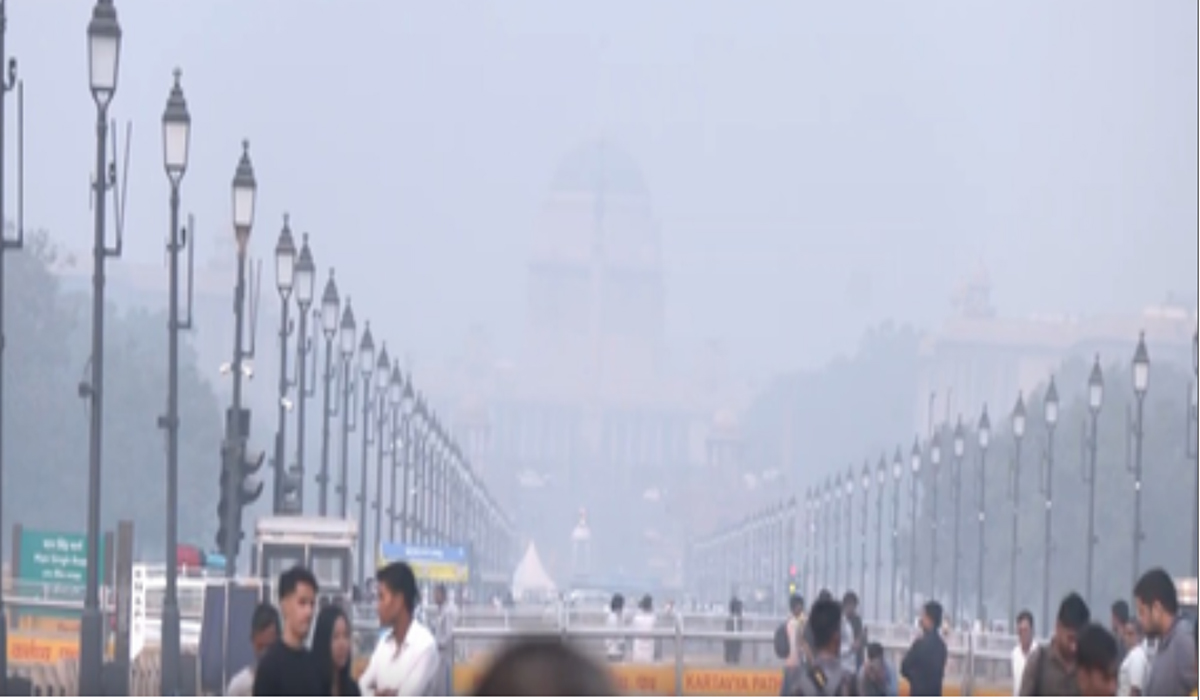
As Delhi continued to grapple with dangerous levels of air pollution, the city government announced a significant change in office timings for both Delhi government departments and the Municipal Corporation of Delhi (MCD). Officials said the decision was taken to manage the city’s growing traffic chaos during rush hours — one of the key contributors to vehicular emissions and the worsening smog.
The move, described as a “temporary but urgent measure,” aims to stagger office hours so that the bulk of the city’s workforce does not commute at the same time.
New Winter Schedule Announced
According to the new winter schedule announced by Chief Minister Rekha Gupta, Delhi government offices will operate from 10:00 am to 6:30 pm, while MCD offices will function from 8:30 am to 5:00 pm. These timings will remain in effect from November 15, 2025, to February 15, 2026, covering the peak pollution months in the capital.
Explaining the rationale behind the change, a government spokesperson said that the earlier 30-minute gap between the working hours of the two departments often led to heavy congestion on major arterial roads. With thousands of employees leaving and returning around the same time, the morning and evening rush hours worsened the city’s air quality, especially as idling vehicles released large amounts of PM2.5 and PM10 into the atmosphere. The revised schedule, officials believe, will help “spread out the traffic load” and reduce the emission burden during peak hours.
Reducing Traffic and Emission Load
The announcement comes at a time when Delhi’s air has turned toxic once again. According to the Central Pollution Control Board (CPCB)’s Sameer app, 29 out of 38 monitoring stations in the capital recorded air quality in the ‘very poor’ category on Friday, with the city’s 24-hour average Air Quality Index (AQI) standing at 322. The dominant pollutant remains PM2.5, which poses severe respiratory risks, particularly to children and the elderly.
Environmental experts warned that the situation was not limited to the capital alone. The NCR region — including Ghaziabad (AQI 314) and Noida (AQI 306) — also fell into the ‘very poor’ category. Data suggests that the transport sector alone contributes between 14 to 15 percent of Delhi’s PM2.5 concentration, underlining the urgency of curbing vehicular emissions.
In a review meeting held earlier this week, Chief Minister Rekha Gupta directed all departments to adopt staggered timings and encourage work-from-home options where feasible. She also appealed to citizens to avoid non-essential travel, prefer public transport, and ensure that their vehicles meet emission standards.
Air Quality Dips to ‘Very Poor’ Levels
The Air Quality Early Warning System has meanwhile forecasted that the toxic haze would persist in the coming days, with wind speeds too low to disperse pollutants effectively. Health advisories have been issued, urging residents to wear masks, avoid outdoor exercise, and use air purifiers indoors.
Experts Call for Long-Term Action
While experts welcomed the step, many believe the timing change alone may not be enough to tackle Delhi’s deep-rooted pollution problem. They argue that the government must implement a long-term strategy focusing on cleaner fuels, efficient public transport, and strict enforcement against construction dust and industrial emissions.
A controversy erupted during Punjabi singer Daler Mehndi's live performance in Uttarakhand's Tehri Garhwal district. Daler Mehndi, who...

Jamia Millia Islamia (JMI) has formed a seven-member committee to negotiate with students protesting for the reinstatement of...

The Directorate of Revenue Intelligence (DRI) has seized over 10 kg of narcotics and arrested three people in...
The Food Safety and Standards Authority of India (FSSAI) has issued notices to four companies, including the fast-track...
Good Afternoon Viewers! Stay updated with The Savera Times Afternoon Bulletin for the latest news from Punjab, India...

Andhra Pradesh Deputy Chief Minister and Panchayat Raj and Rural Development Minister Pawan Kalyan on Monday ordered the...

Aries: The day will be auspicious...