A recent report has revealed that 14 out of 37 sewage treatment plants (STPs) in Delhi are either non-operational or not meeting required pollution control standards, raising concerns over wastewater management in the capital. The findings highlight ongoing challenges in treating sewage effectively before it is released into drains and rivers.
According to the report, some of these plants are currently undergoing rehabilitation or repairs, while others continue to operate below the standards prescribed by pollution control authorities. This situation has raised serious environmental concerns, particularly regarding contamination of water bodies.
Compliance with Pollution Norms Under Scrutiny
Sewage treatment plants are expected to meet strict discharge norms set by the Central Pollution Control Board. These standards regulate the amount of pollutants such as suspended solids and biochemical oxygen demand (BOD) in treated wastewater.
However, monitoring reports indicate that several plants fail to consistently meet these parameters. When treated water does not meet required norms, it can still carry pollutants that affect water quality in nearby drains and rivers.
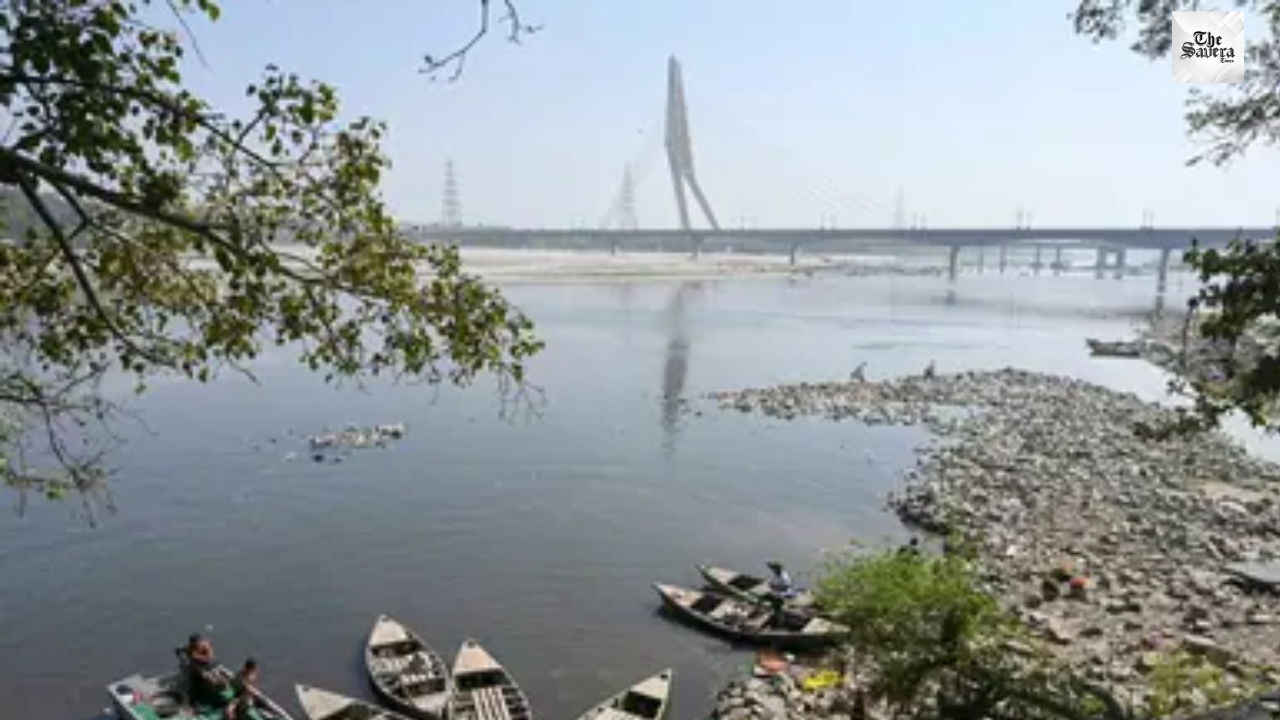
Environmental experts say this could contribute significantly to the pollution of the Yamuna River, which already faces severe contamination issues.
Impact on Yamuna and Local Water Bodies
Delhi generates a massive amount of sewage every day, and sewage treatment plants play a crucial role in preventing untreated waste from entering rivers. When these facilities fail to operate efficiently, large volumes of wastewater may reach drains that eventually flow into the Yamuna.
The river is already considered one of the most polluted stretches in India, particularly in the section that passes through Delhi. Pollution levels often exceed safe limits due to untreated sewage, industrial waste, and urban runoff.
Experts warn that if treatment plants continue to underperform, efforts to clean the river could face further setbacks.
Role of the Delhi Jal Board
The sewage treatment plants in the city are largely managed by the Delhi Jal Board. The agency has been working to upgrade existing infrastructure and increase treatment capacity in order to handle growing wastewater volumes.
Officials have previously stated that several plants are undergoing modernization and repair work to improve their efficiency. Upgrading these facilities is considered essential for meeting environmental standards and reducing pollution loads entering rivers and drains.
Efforts to Improve Sewage Treatment
Authorities are exploring several measures to address the issue, including improving monitoring systems, increasing treatment capacity, and modernizing aging infrastructure.
Plans have also been discussed to expand the overall sewage treatment capacity in Delhi to cope with the city’s rapidly growing population and wastewater generation.
Environmental groups have stressed the importance of ensuring that all sewage treatment plants function properly and consistently meet standards.
Need for Stronger Monitoring and Upgrades
Experts believe that better maintenance, stricter monitoring, and investment in modern technology are crucial for improving the functioning of sewage treatment plants.
With Delhi continuing to expand and urbanise rapidly, efficient sewage treatment remains essential for protecting public health and preserving the Yamuna ecosystem.
The report has once again highlighted the urgent need for stronger action to ensure that all sewage treatment facilities operate effectively and meet environmental norms.