Last Updated: October 21, 2026
Last Updated: October 21, 2026





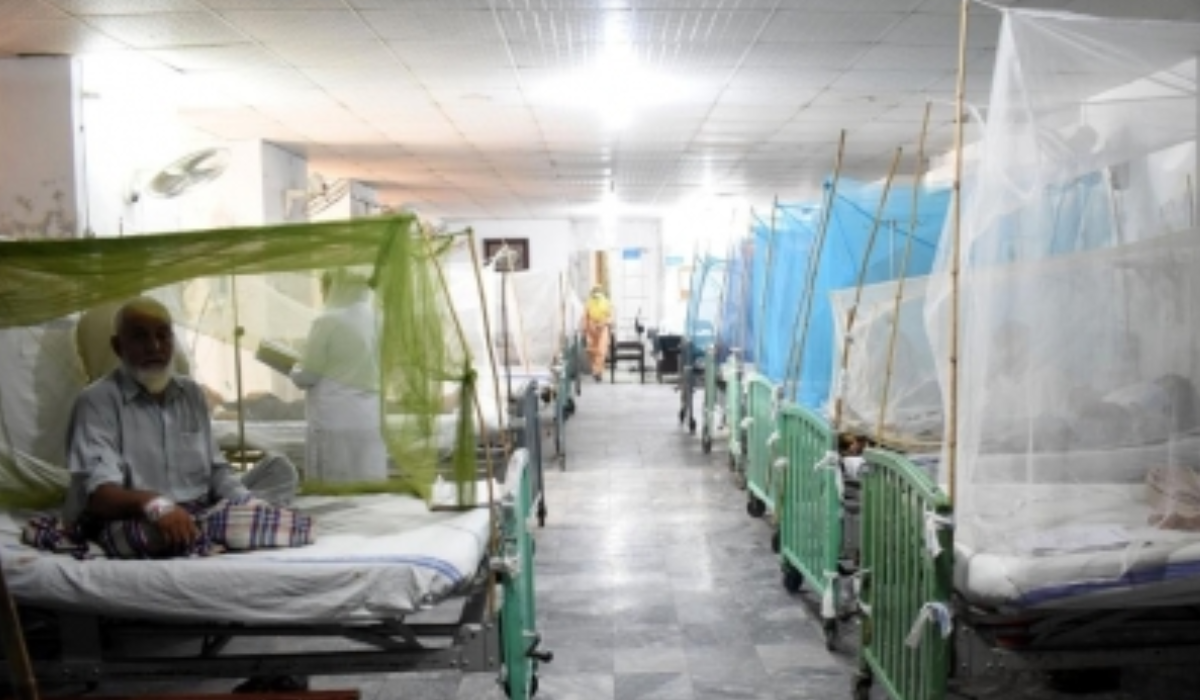
Islamabad: Nearly 100 new cases of dengue have been reported in Pakistan’s Khyber Pakhtunkhwa province in the last 24 hours. According to local media reports, this is the highest number of cases recorded in a single day in 2026.
According to a report in the Pakistani newspaper Dawn, the Integrated Disease Surveillance and Response System (IDSRS) has confirmed 99 new cases. This brings the total number of dengue cases in the province in 2026 to 4,091.
According to IDSRS data, there are currently 144 active cases of dengue in Khyber Pakhtunkhwa, while 3,946 people have recovered from the disease.
Dengue outbreak in Kohat, increasing pressure on hospitals
October is proving challenging for Khyber Pakhtunkhwa. Dengue cases are steadily increasing in the province, with Kohat particularly experiencing an outbreak.
According to reports, 80 dengue cases have been reported in Kohat since October 1st, followed by 24 in Bannu and 18 in Peshawar.
The rapid increase in the number of patients in Kohat has increased pressure on hospitals. The health department is taking steps to prevent the spread of the disease and control new cases.
42 cases in Islamabad since January
Meanwhile, dengue cases are also being monitored in Pakistan’s capital, Islamabad. According to officials, a total of 42 cases have been reported from January 1st to October 16th.
According to the data, 32 of these cases were reported in rural areas and 10 in urban areas. To prevent the spread of the infection, authorities are identifying dengue hotspots and high-risk areas.
Dawn reports that dengue control teams in Islamabad conducted 382,452 surveillance and prevention activities during October.
Mosquito larvae found at 7,669 locations
According to officials, during the October campaign, teams identified and cleaned 7,669 locations where mosquito larvae were present.
During this period, teams visited 10,084 locations. Additionally, indoor vector-surveillance teams inspected 72,305 homes as part of the hotspot surveillance campaign to identify potential breeding sites.
Mosquito control is essential to prevent dengue
According to the World Health Organization (WHO), dengue is a viral infection that spreads to humans through the bite of infected mosquitoes. Controlling mosquito populations and breeding sites is essential for disease prevention and control.
According to the WHO, there is no specific treatment for dengue or severe dengue. However, early diagnosis and access to appropriate medical care can significantly reduce the risk of death from severe dengue.
Pakistan's Defense Minister Khawaja Asif has questioned alleged plans by senior government officials to permanently settle abroad. He...

The Baloch Liberation Army (BLA) has claimed responsibility for carrying out 34 operations between October 9 and 20...

Russian President Vladimir Putin said on Wednesday that Russia's first tanker carrying 40,000 tons of diesel fuel will...

Ten people were killed and 44 others injured in a horrific road accident in Pakistan's Punjab province. The...
North Korean leader Kim Jong-un's influential sister, Kim Yo-jong, and a military marshal inspected fortification work along the...

New Delhi: US Secretary of State Marco Rubio has assured India that America’s relations with any country in...

Aries: The day will be auspicious...