Last Updated: October 26, 2026
Last Updated: October 26, 2026





The idea of “designer babies” has long belonged to the realm of science fiction. However, advances in gene-editing technology have brought the concept closer to reality, raising complex ethical and scientific questions.
While genetic testing and in vitro fertilisation (IVF) have allowed parents to screen embryos for diseases for years, gene editing now offers the possibility of altering genes themselves, potentially preventing inherited conditions from passing to future generations. The big question, however, remains: if we can do it, should we?
What Are Designer Babies?
A designer baby is an infant whose genes have been edited during IVF to enhance or remove certain traits. These changes can range from preventing serious hereditary diseases to, theoretically, selecting physical characteristics such as height or appearance.
The primary goal behind such genetic modification is disease prevention. But while the technology exists, experts say it is not yet safe or effective for broad use.
How Does It Work?
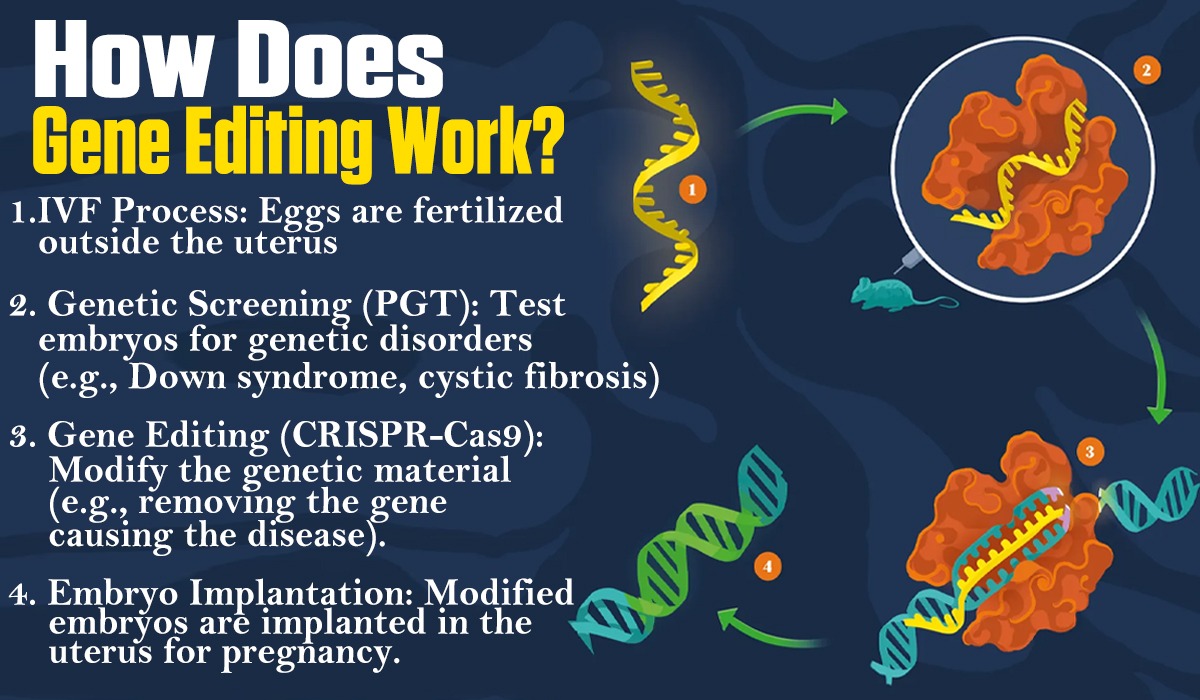
Currently, IVF allows doctors to fertilise an egg outside the uterus and screen the embryos using preimplantation genetic testing (PGT). This process identifies embryos with genetic disorders before implantation.
However, PGT is a screening tool, not genetic modification.
Gene editing, notably through CRISPR-Cas9, allows scientists to add, remove or alter DNA with high precision. This could theoretically eliminate certain inherited diseases, such as sickle cell anaemia or cystic fibrosis, by editing embryos before implantation.
Are Designer Babies Already Here?
Technically, the answer is yes, but not in the way many imagine.
IVF and PGT are widely used, and some clinics also offer sex selection—though this remains controversial. But editing embryos genetically is not considered safe or legal in most countries.
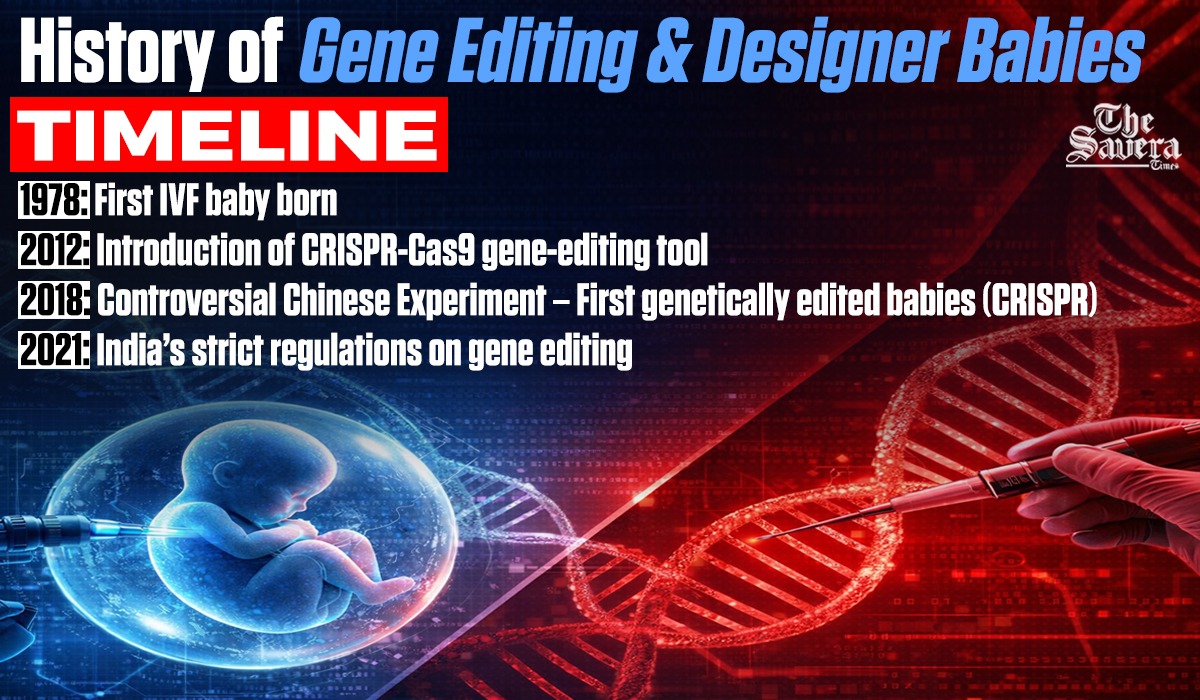
The most infamous example occurred in 2018, when a Chinese scientist used CRISPR-Cas9 to edit embryos, creating twin girls resistant to HIV. The experiment was widely condemned, and the scientist was jailed. The babies were born healthy, but the ethical and safety implications remain under scrutiny.
Why Do People Support Gene Editing?
The most common argument in favour is the potential to prevent genetic diseases. For families with a history of inherited disorders, gene editing could mean a life free from chronic illness.
However, despite its promise, experts argue that the technology is still experimental, and long-term effects are unknown.
Ethical Concerns and Future Risks
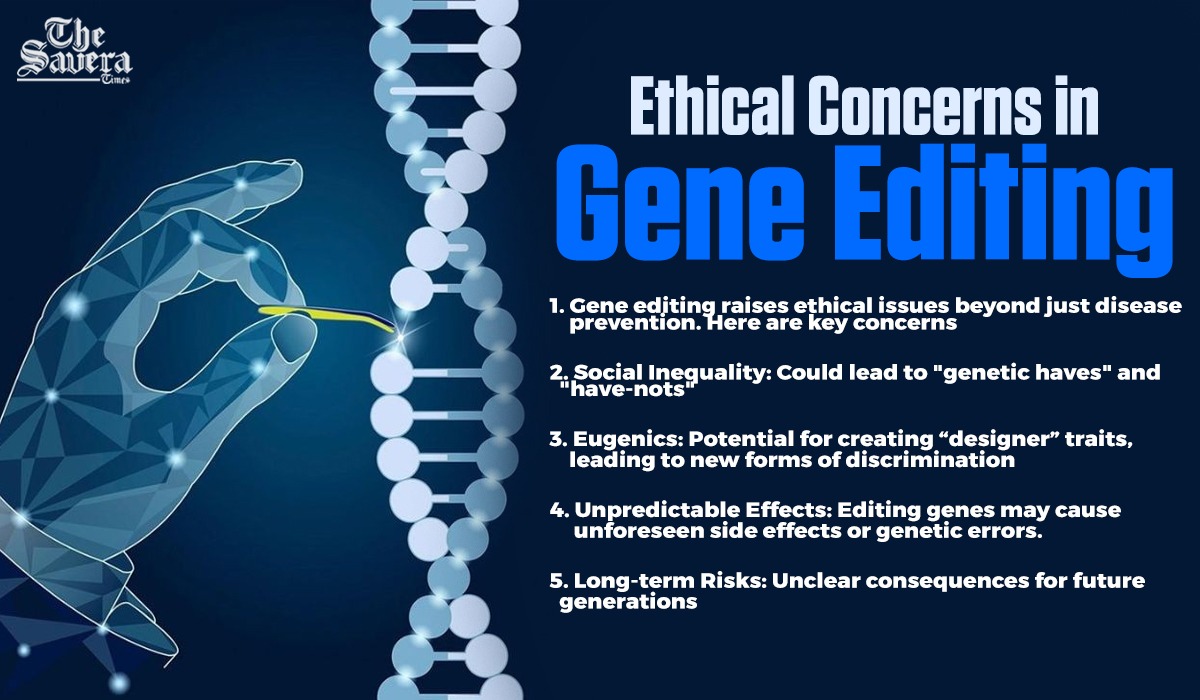
The ethical debate intensifies when gene editing moves beyond disease prevention into trait enhancement—such as altering physical or intellectual attributes.
A key concern is germline editing, where changes are passed on to future generations. This differs from somatic editing, where only specific tissues are altered and changes are not inherited.
Many scientists warn that germline editing could lead to social inequality, discrimination, and new forms of eugenics.
Is Gene Editing Allowed in India?
India has not permitted the use of gene editing to modify human embryos for implantation.
Under Indian regulations:
Germline editing (editing genes that can be inherited by future generations) is not allowed.
Gene editing for enhancement or “designer traits” is banned.
Research on gene editing is restricted and regulated, only under strict oversight.
Legal Framework Governing Gene Editing
India’s regulations on assisted reproductive technologies and genetic interventions are governed primarily by:
1. The Assisted Reproductive Technology (Regulation) Act, 2021
This law regulates IVF clinics and procedures in India. It ensures:
Ethical standards
Patient safety
Proper supervision of reproductive technologies
The Act does not permit genetic modification of embryos for implantation, especially for enhancement or non-medical purposes.
2. The National Guidelines for Gene Editing
India follows global ethical standards that classify gene editing into two categories:
Somatic gene editing: Allowed in certain cases for therapy (not inherited).
Germline gene editing: Not permitted for clinical use.
India aligns with international norms which restrict germline editing due to safety and ethical concerns.
Why India Bans Germline Editing
Experts argue that gene editing at the embryo level can cause:
Unpredictable genetic errors
Unknown long-term effects
Ethical and social inequality
Risk of “designer baby” misuse
India’s regulatory approach is conservative, prioritising safety, ethics, and public welfare.
What About CRISPR Technology?
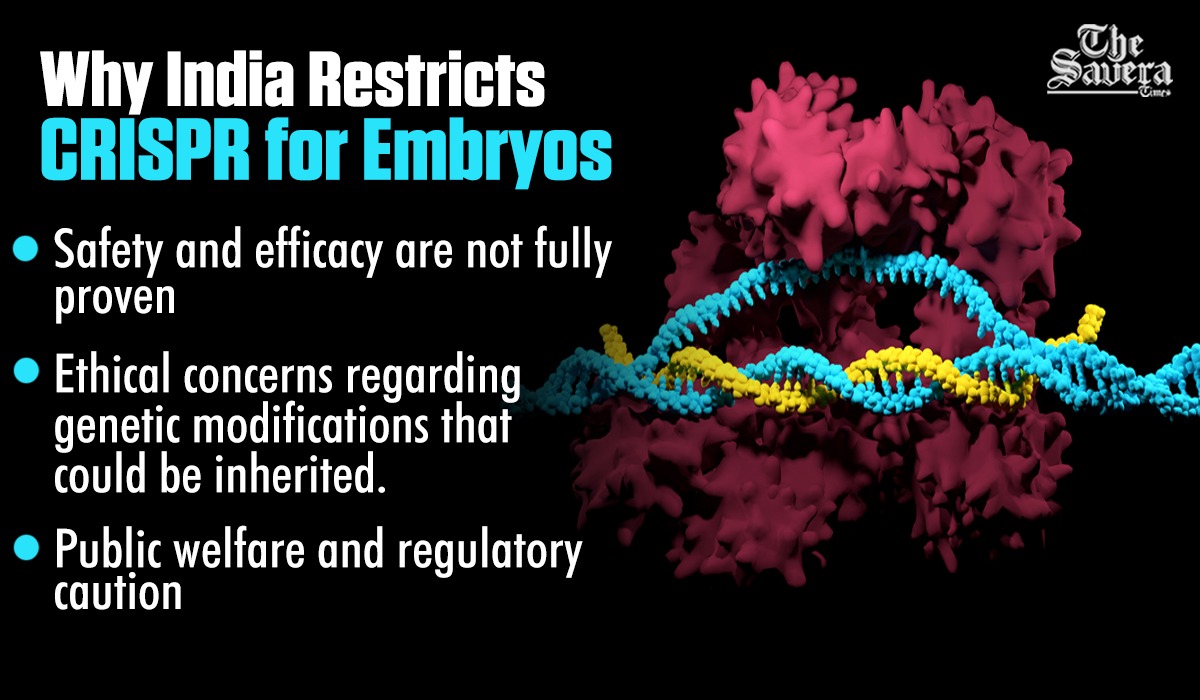
CRISPR-Cas9 is a powerful gene-editing tool that can alter DNA precisely. While it is used in research globally, India does not permit its clinical use in embryos.
The technology is still experimental, and its safety and long-term impact remain uncertain.
Conclusion: IVF and Genetic Screening Are Legal, Editing Is Not
In India:
IVF is legal and regulated
PGT genetic screening is allowed
Genetic editing of embryos for implantation is banned
Designer baby technology is prohibited
For now, India continues to allow only ethical, regulated use of IVF and genetic screening, while restricting gene editing to prevent misuse and protect future generations.
A bus travelling from Raipur to Ambikapur crashed into a stationary truck near Darchura village early Monday. Three...

Four people were declared dead at Dhar district hospital after a car caught fire near Sadalpur in Madhya...

A Sultanpur court acquitted Rahul Gandhi in a criminal defamation case filed over his 2018 remarks about Amit...

Several people were injured when five vehicles at the rear of Rahul Gandhi’s convoy collided with an ambulance...

The 17-year-old son of an Additional District Judge has been granted bail in a fatal road accident case...

Jamia Millia Islamia has accepted key demands of protesting students after 14 days of agitation. The university will...

Aries: The day will be auspicious...