Last Updated: September 24, 2026
Last Updated: September 24, 2026





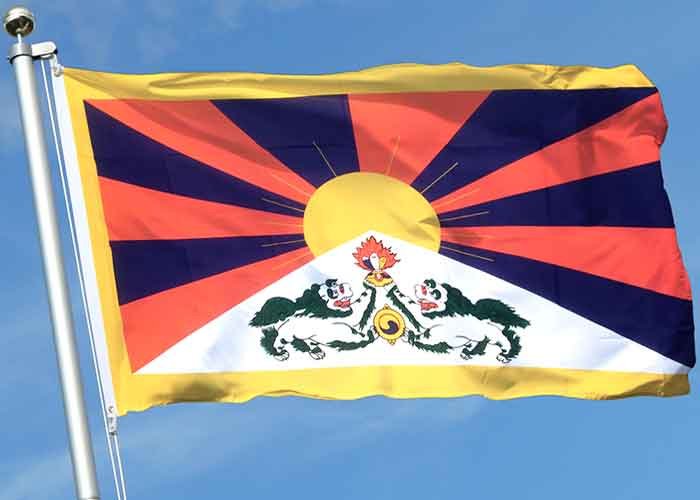
The self-immolation outside the United Nations (UN) Headquarters in New York was not an isolated act of despair but a desperate appeal to the international community, reminding the world that Tibet’s suffering remains hidden behind China’s carefully projected image. A person setting himself on fire is not only a personal tragedy but also a stark reflection of the international community’s silence.
Self-immolation has become a haunting form of protest among Tibetans. It is not born out of fanaticism but from the suffocation of voices that have been denied the freedom to speak. Inside Tibet, every avenue of peaceful dissent is tightly controlled. Monasteries remain under constant surveillance, the Tibetan language is restricted, and even acts of mourning are criminalized. In such circumstances, self-immolation becomes the final and most desperate means of drawing the world’s attention.
The protest outside the UN headquarters was a direct appeal to the conscience of the international community—a call to ensure that Tibet’s plight is not reduced to a mere footnote in diplomatic discussions.
Critics have described China’s policies toward Tibetans as repressive, arguing that they seek to erase Tibetan identity while claiming to preserve it. Reports have alleged that many Tibetan children are required to attend boarding schools where the use of the Tibetan language and the practice of traditional culture are reduced. Monks are reportedly required to participate in “patriotic education” programs, which many believe conflict with their religious principles. Tibetans living abroad have also reported intimidation, including allegations that Chinese authorities monitor their activities and place pressure on relatives who remain in China.
The act of self-immolation outside the UN headquarters symbolized a direct confrontation with the world’s leading human rights institution. Supporters argue that if the United Nations and its member states fail to respond meaningfully, they risk remaining silent in the face of the erosion of Tibetan identity. They contend that Tibet is not merely a regional issue but a broader test of the international community’s commitment to the principles of human rights and cultural freedom.
On July 2, Tibetan activist Lobga Rangzen died after setting himself on fire outside the United Nations headquarters in New York. The incident occurred one day after China’s new legislation, the Promoting Ethnic Unity and Progress Law, came into effect. The law has drawn criticism from various international organizations and rights advocates, while UN experts have warned that it could “entrench forced assimilation and encourage transnational repression.”
Moments before the incident, Rangzen livestreamed a message on social media calling for Tibetan independence and unity. He later succumbed to his burn injuries at Bellevue Hospital in New York. His death has once again drawn international attention to the ongoing debate surrounding Tibet, human rights, and the protection of cultural.
Saudi Arabia issued civil defence alerts for Mecca, Jeddah, Yanbu, Tabuk and Taif, warning of potential danger and...

Pakistan carried out fresh airstrikes in Afghanistan's Kandahar, Paktia and Khost provinces, with the Taliban claiming four civilians...
Nepal has begun deporting 88 Chinese nationals over alleged visa violations and is investigating 329 more who entered...
Washington: Two Republican lawmakers urged President Donald Trump to press China for reliable access to its soybean and...

A deep depression formed in the Bay of Bengal hit the coast of North Andhra Pradesh and South...

US President Donald Trump gave Chinese President Xi Jinping a rare airport welcome, as Washington announced a two-month...

Aries: The day will be auspicious...