Last Updated: November 24, 2026
Last Updated: November 24, 2026


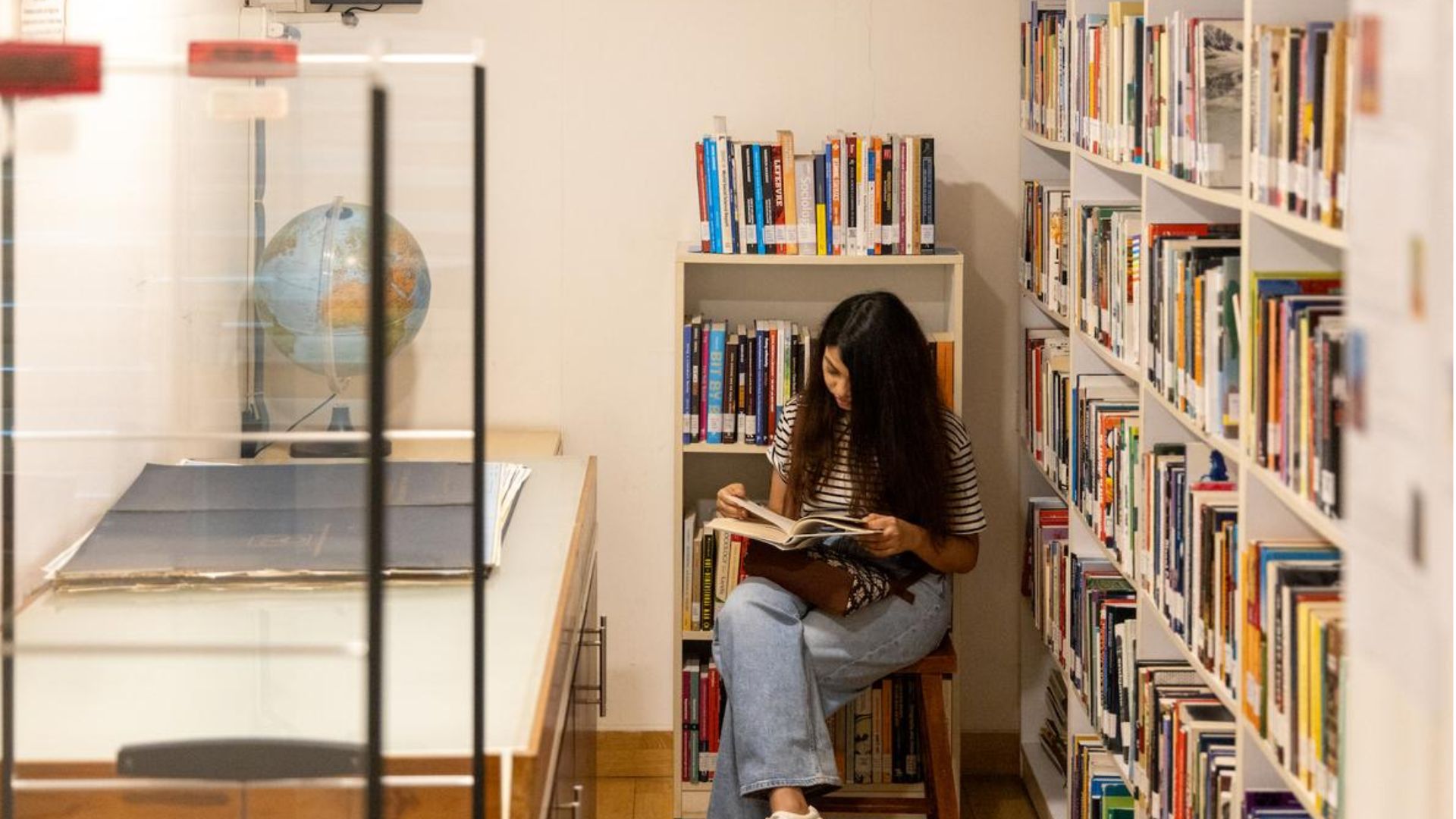
Digital libraries make Indian literature easier to find across languages, regions and periods, but access is lawful only when the hosting service has permission or the work is otherwise available under applicable copyright rules. A Z library search result, or any convenient download, does not by itself prove that a copy is authorised. Why digital collections matter for discovering Indian literature A digital library can bring together catalogues, digitised manuscripts, translations, criticism and out-ofprint books that are difficult to locate in a local shop or library. Searchable records help readers move beyond the most visible English-language authors towards writing in Bengali, Tamil, Malayalam, Marathi, Urdu, Kannada and many other languages. Digitisation can preserve fragile or out-of-print regional-language works by creating copies that institutions can store and back up. Descriptive metadata, including language, script, author and subject, makes these works easier to find. Searchable transliteration and optical character recognition (OCR) can help, but OCR is less reliable for some scripts and older scans. Preservation access controls can limit copying while allowing readers to consult a work. Author names, dates, language tags, subjects and linked editions reveal connections that a general web search often misses. Previews and recommendation tools can introduce a reader to an unfamiliar poet or novelist without providing unrestricted access to the full text. Discovery and ownership are separate questions. A catalogue entry may point to a university collection, publisher, archive or licensed ebook. It does not automatically grant permission to download, copy or redistribute the work. How free access can coexist with authors’ rights Lawful free reading comes through several routes: public-domain works, open-access editions, institutional repositories, library lending, publisherauthorised samples and works released under Creative Commons licences. A free service may offer access through a time-limited loan rather than a permanent file, providing legitimate reading without granting copying rights. Copyright status is rarely as simple as a title and an author’s name. The underlying work, a translation, an introduction, annotations, cover art and a newly edited edition can carry separate rights. A classic text might be out of copyright in one jurisdiction while a recent translation remains protected. Copyright terms differ between countries, as do the scope and conditions of education, research, library and private-use exceptions. Check local rules for the specific act, such as downloading, lending or sharing. Authors, translators, publishers and estates may control different parts of a digital edition. An institutional repository can lawfully host a manuscript or author-approved article while having no authority to distribute a commercial ebook. The presence of a file shows availability, not permission. What Z library links can and cannot prove about legality Third-party catalogues require independent checking. A link such as Z lib does not establish who uploaded a book, whether the rights holder consented, or whether downloading and sharing it is permitted where the reader lives. The same caution applies to free books found through search engines: free does not mean legally reusable. Find Library Books Platform names and domains can change, be copied or point to services with different operators. The address Z-lib therefore proves little about a particular file’s status. A rights notice, licence statement or lending terms can indicate the basis for access; a repository rights note or publicdomain rationale can clarify other claims. If this information is absent, the copy is unverified, not necessarily infringing. Seek confirmation from the institution, publisher, author or rights holder.
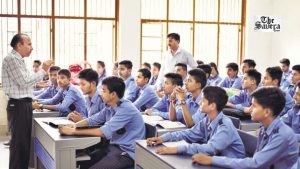
India’s school education system is witnessing a significant transformation, with growing emphasis on quality learning, modern teaching methods,...
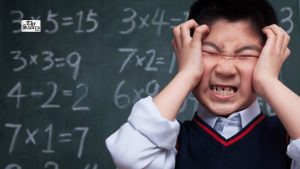
Stanford researchers have found that children who consistently struggle with mathematics may have underlying differences in the way...
“Bestow the title of ‘Rebel’ upon me after I die a brave and courageous death. If anyone remembers...
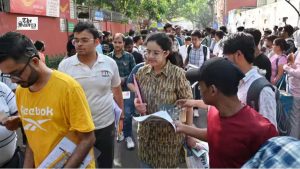
The NTA has opened registration for JEE Main 2027 Session 1. Candidates can apply online by November 22,...
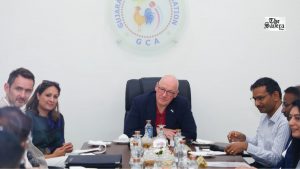
Scotland First Minister John Swinney visited Sabarmati Ashram in Ahmedabad and met Gujarat officials and teachers to explore...
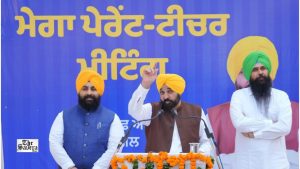
Punjab is organising a Mega Parent-Teacher Meeting across 19,200 government schools in 23 districts on October 9. Parents...
Aries: The day will be auspicious...