Last Updated: October 21, 2026
Last Updated: October 21, 2026





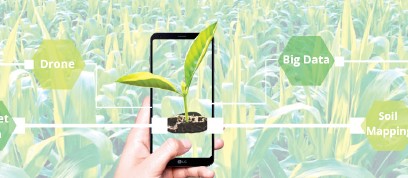
Digital genetic data from seeds, often referred to as Digital Sequence Information (DSI), is emerging as one of the most contentious topics at global discussions on food security. At the heart of the debate is how the rapid digitisation of genetic resources could potentially undermine farmers’ rights and the fundamental objectives of international agreements designed to protect agricultural biodiversity.
The 11th session of the Governing Body of the International Treaty on Plant Genetic Resources for Food and Agriculture (ITPGRFA) is being held in Lima, Peru. A primary concern in these talks is the implications of DSI on the Treaty’s Multilateral System (MLS), which facilitates access to plant genetic resources while ensuring benefit-sharing with farming communities. DSI represents genetic information from seeds in digital form. By using advanced software and bioinformatics tools, researchers and companies can identify valuable traits, such as disease resistance or climate adaptability, without directly accessing physical seed material. Once these traits are identified, companies may seek intellectual property rights or patents, effectively claiming commercial control over genetic resources that have been conserved and developed by farmers over generations.
Critics argue that this shift undermines the core protections the Treaty provides to farmers. Traditionally, farmers have had the right to save, exchange, and sell seeds within the framework of the MLS. However, digital patents over traits enable companies to circumvent these long-standing practices, even when the seeds themselves originate from the MLS. This has raised concerns that the system, designed to facilitate fair access and benefit-sharing, could be repurposed to allow private control over common resources.
A factsheet released by a Delhi-based think tank highlights the extent of the issue. While the MLS has enabled the exchange of over 6.7 million plant genetic resources through more than 112,000 Standard Material Transfer Agreements, only a fraction of financial benefits has reached the farming communities responsible for maintaining these resources. The lack of equitable benefit-sharing underscores the risks associated with DSI: digital access to genetic traits can now be exploited for commercial purposes without compensating the communities that have historically nurtured and preserved these varieties.
Tensions are also emerging between the Treaty and the Convention on Biological Diversity (CBD). The CBD has introduced a voluntary mechanism called the Cali Fund, aimed at benefit-sharing for DSI. Observers caution that applying the Cali Fund to crops already governed by the ITPGRFA could weaken the Treaty and diminish its authority over its own multilateral system. There is concern that DSI-related policies should be confined to genetic resources outside the Treaty’s MLS to preserve its integrity and purpose.
A United Nations expert has warned that if these trends continue unchecked, they could threaten not only legal frameworks but also food security itself. Seeds are central to farmers’ livelihoods, and unrestricted digital use without proper benefit-sharing could compromise the right to adequate food. The expert recommends that the Governing Body take several urgent actions. These include examining the potential conflict between the CBD’s Cali Fund and the Treaty’s rules, formally bringing DSI under the Treaty with binding benefit-sharing requirements, and pausing any rule changes until the real-world impact of open access to DSI is fully understood.
Member countries are also being asked to clarify steps they have taken under national law to protect farmers’ rights in the digital age, including assessing how unrestricted access to DSI could affect livelihoods and food security on the ground. With the rapid growth of digital genetic technologies, the discussions in Lima are critical to ensuring that the original mandate of the ITPGRFA—equitable access, benefit-sharing, and the protection of farmers’ rights—is upheld in the 21st century.
The Ayushman Bharat Pradhan Mantri Jan Arogya Yojana (PMJAY) is proving to be a significant relief for poor...
Rescue teams recovered the bodies of four youths from the Kotri canal in Kota on Wednesday morning, after...

A balloon containing a suspected flammable chemical burst during a stage play in Siwan, injuring around 10 spectators....

State Bank of India has confirmed that 3,897 customer records containing personal information were found on the dark...

A fire in a hut in Nonapar village of Deoria district claimed three lives, including those of a...

Amit Shah paid tribute to police personnel who died in the line of duty at the National Police...

Aries: The day will be auspicious...