Last Updated: October 20, 2026
Last Updated: October 20, 2026





Abhishek Vij
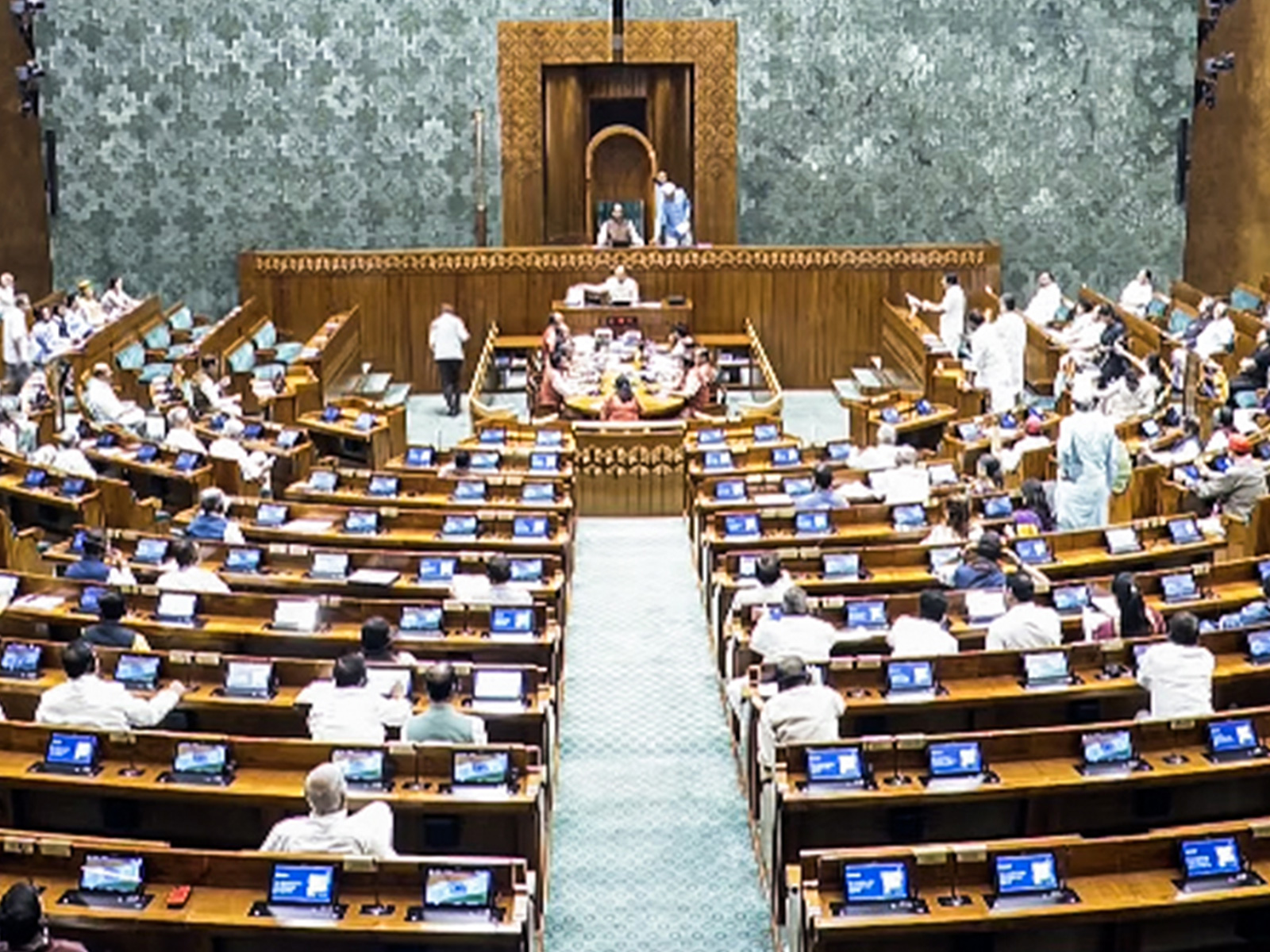
A serious discussion began in the Lok Sabha regarding the implementation of the Women’s Reservation Act starting from the next general elections in 2029. Three key provisions have been incorporated into the Women’s Reservation Act. The first provision mandates the direct implementation of a 33% reservation for women in state legislative assemblies and Parliament. The other two provisions pertain to the delimitation process—specifically, basing it on the 2021 census and carrying out the delimitation by amending the relevant laws applicable to Union Territories.
When the ruling party and the opposition unanimously passed this Act in 2023, the prevailing understanding was that the census would be conducted in 2025. It was assumed that the final report would be ready before the 2029 general elections, and the subsequent elections would be conducted based on the results of that delimitation exercise. However, this special three-day session has now been convened because the government believes that the tasks of conducting the census and delimitation may not be completed before the next general elections.
Therefore, the government proposes that by introducing amendments—and through a unanimous decision—the reservation be implemented immediately, without waiting for the census; this would ensure that women secure their rightful representation prior to the 2029 general elections. However, the opposition holds a completely different view on this matter. While no political party objects to the 33% reservation for women itself, the objection lies in the question: why is this specific method involving delimitation being applied? Could the delimitation process not have been completed beforehand? If that was not possible, then why the undue haste in passing this bill?
The underlying reality is that, in this country, the decision to grant women their rightful place in the political sphere has been taken on numerous occasions in the past, yet its actual implementation has repeatedly stalled due to various practical difficulties. In 2023, the 33% reservation for women was indeed enacted; however, its implementation was made contingent upon the completion of the census and the subsequent delimitation exercise. The government now seeks—in the spirit of its progressive agenda—to grant women their rightful entitlements without delay. To this end, it aims to increase the number of seats reserved for women across all categories to 50%, thereby ensuring that women secure these rights by the time of the 2029 general elections. Consequently, a set of three bills has been introduced in Parliament. The first aims to ratify the implementation of these political rights; the second pertains to the delimitation-based increase of reserved seats in the states; and the third addresses the same process within the Union Territories. During his address to Parliament on Wednesday, Prime Minister Narendra Modi stated that the government’s objective is to facilitate the effective political participation of the country’s female population, which constitutes half of the nation’s inhabitants. Opposition leaders—ranging from Rahul Gandhi to M.K. Stalin—have voiced their opposition to the manner in which this reservation is being implemented. They argue that if the government truly intended to undertake this initiative, it should have first conducted a caste-based census and subsequently carried out the delimitation exercise.
M.K. Stalin contends that the educated populace of the South has actively practiced family planning, resulting in a lower rate of population growth in the region. Conversely, states like Uttar Pradesh and Bihar have recorded the highest rates of population growth. Since the allocation of seats is based on population size, the Southern states stand to lose a significant number of their parliamentary seats. Thus, in the overall parliamentary landscape, the Southern states would suffer the greatest disadvantage.
Regardless of the political maneuvering involved, the nation’s leading scholars and intellectuals generally agree that women should have been granted the benefit of reservation long ago. It is our firm belief that, on this critical issue, both the ruling dispensation and the opposition should reach a consensus through mutual agreement. therein lies the true dignity of Indian democracy.
Good Evening Viewers! Catch up on the day's biggest stories with The Savera Times Evening Bulletin. Get the...

Congress leaders continued their protest outside the Jaipur Police Commissionerate on Tuesday, demanding the registration of a zero...
On the auspicious occasion of Vijayadashami, Prime Minister Narendra Modi on Tuesday called on the countrymen to unite...
A historic milestone was achieved on Tuesday in the expansion of Chhattisgarh's rail networkA historic milestone was achieved...

Model Shraddha Dubey, one of the main accused in the death of Lucknow businessman Shiv Sharma, has been...
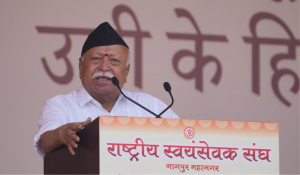
Rashtriya Swayamsevak Sangh (RSS) chief Mohan Bhagwat on Tuesday called for strengthening national unity, social harmony, indigenous practices...
Aries: The day will be auspicious...