Washington: A bipartisan group of US senators has reintroduced a resolution supporting the US dollar’s role as the world’s primary reserve currency, arguing that China is intensifying efforts to build a rival global financial system centred around the yuan.
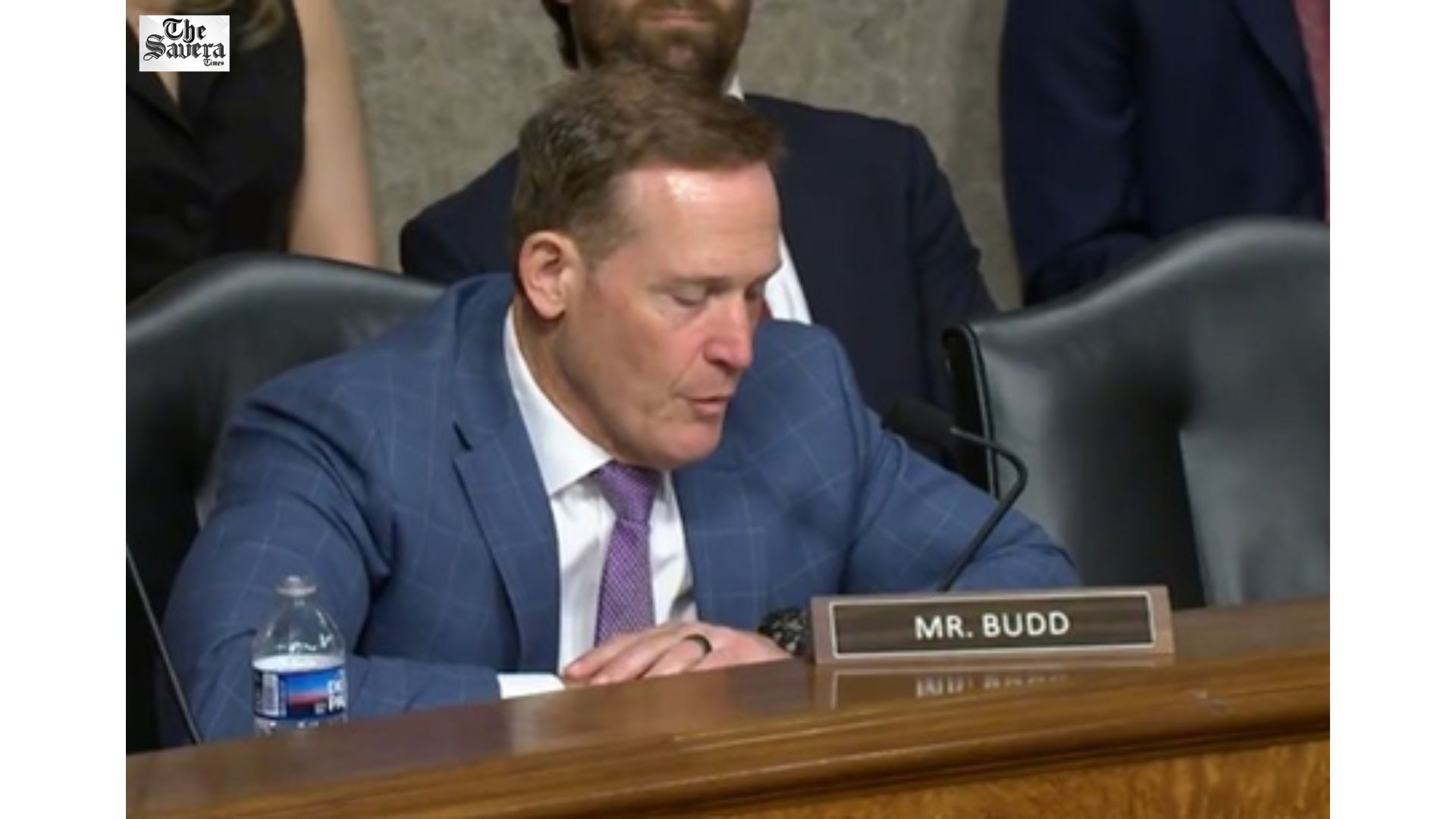
The resolution was introduced by Ted Budd and Jeanne Shaheen. The lawmakers said Beijing’s financial strategy could threaten both US economic power and national security.
According to the resolution, China has been working for years to expand the international use of the yuan through trade agreements, lending programmes, digital payment systems and alternative banking infrastructure.
Senator Budd said the US dollar remains essential for global trade stability and warned that allowing China to shape international currency flows could “fragment the world economy” and weaken free markets, especially in developing countries.
Senator Shaheen linked dollar dominance directly to American geopolitical influence and stressed that the US must remain a reliable economic partner amid recent market volatility and tariff-related tensions.
Key Concerns Raised by the Resolution
- The US dollar’s share of global foreign exchange reserves has reportedly fallen from about 71% in 1999 to 56.82% in the third quarter of 2025, according to data cited from the International Monetary Fund.
- China’s yuan accounted for 1.93% of global reserves during the same period.
- Lawmakers accused China of maintaining an undervalued currency through state-controlled exchange rate policies.
- The resolution highlighted China’s Belt and Road Initiative, under which Beijing has invested more than $1 trillion globally since 2013.
- Senators also raised concerns over China’s Cross-Border Interbank Payment System (CIPS), which they described as an alternative to the global SWIFT financial network.
Strategic Concerns Over Taiwan and Indo-Pacific Trade
The resolution argues that China’s efforts to create a parallel financial system could reduce Western economic leverage during future geopolitical crises, especially in scenarios involving Taiwan or disruptions in Indo-Pacific shipping routes.
US lawmakers called for stronger economic partnerships with allies and developing nations to counter Beijing’s growing financial influence and reinforce confidence in the dollar-based international system.
The move reflects rising concern in Washington that economic competition with China is increasingly extending beyond trade and technology into the architecture of the global financial system itself.