Last Updated: October 15, 2026
Last Updated: October 15, 2026





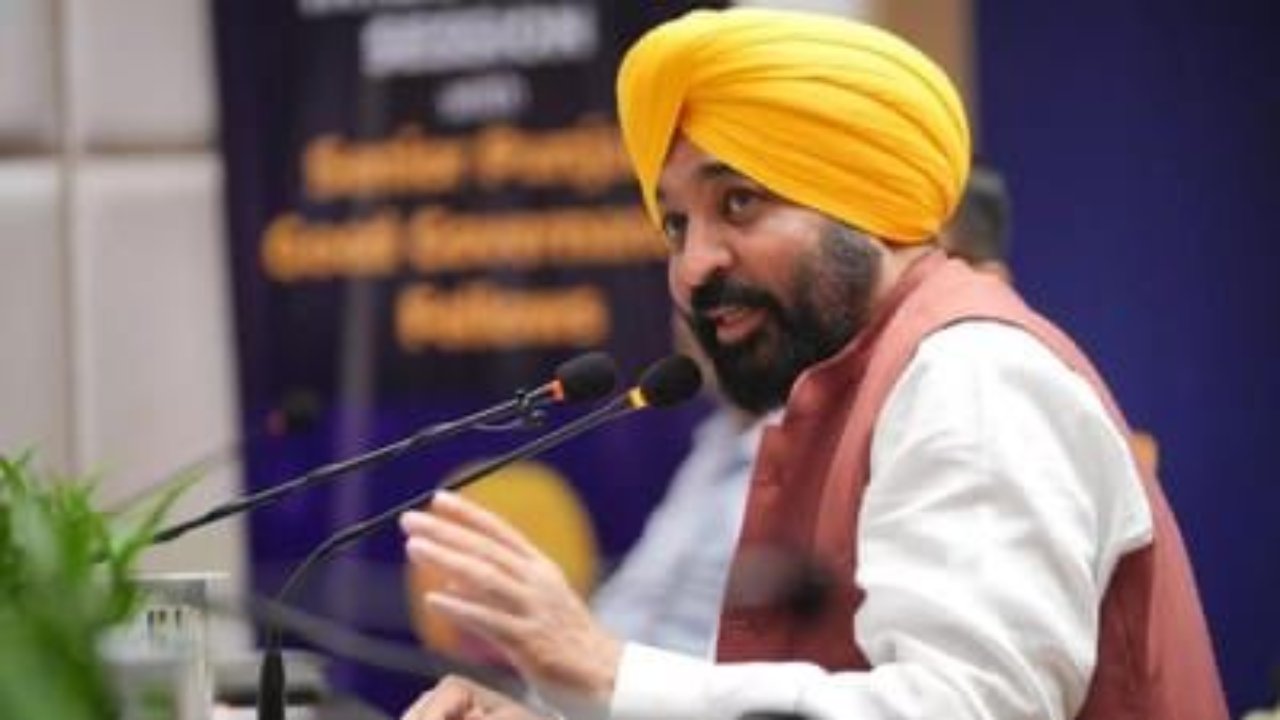
The monsoon session of the Punjab Legislative Assembly concluded on Monday. On the final day, the government passed nine bills. These bills reflect the Punjab government’s commitment to the public and aim to address various challenges facing the state. Two bills were passed unanimously, while seven were passed amidst opposition. The people of Punjab have long complained about the annual hike in fees at private schools; the Mann government has taken the initiative to resolve this issue. Under the relevant bill passed, private schools will no longer be permitted to increase fees by more than 5 percent annually. It was also stipulated that if fees had been raised by more than 5 percent in the recent past, the excess amount must be refunded to parents. In our view, this is a progressive decision, as it will enable children from ordinary families to enroll in expensive private schools without being deterred by the fear of exorbitant fees. The bill had already received the Governor’s assent and has now been passed by the House. Another issue facing the state concerned contractual employees, who were typically hired for terms of three or five years and frequently demanded regularization of their services. The government has decided that these employees will no longer be hired through private contractors; instead, the government will engage them on a contractual basis directly. The number of such employees is estimated to be around 65,000. Additionally, the government has undertaken tax reforms. Punjab’s GST tax system lacked clarity, creating opportunities for corruption. Following amendments, the government has now aligned the system with the central tax framework to eliminate ambiguity. To improve the functioning of the Panchayati Raj system, the government has taken a new step: the cadres of Panchayat Secretaries and Gram Sevaks will no longer operate separately. The government had previously established a new system through a merger on January 22, 2026, and this measure has now been formally passed by the House. The post of Panchayat Secretary has been designated as a ‘dying cadre,’ meaning no new Panchayat Secretary will be recruited upon the retirement of incumbents. Employees have now been assigned the new designation of PDS—Panchayat Development Secretary— and will be capable of overseeing the operations of multiple panchayats simultaneously. Financial provisions will be secured for the development of infrastructure—such as roads, street lighting, water supply, sewerage systems, and parks— across the state’s industrial areas, and officials found negligent in their duties will be held accountable. Legal approval has been granted for the establishment of a ‘Cloud University’ in Hoshiarpur, and recognition has also been given for setting up an MS Digital University in Patiala, which will serve as a hub for online digital education. Prior to the adjournment of the session, the government also passed a Tree Protection Act. Under this legislation, the felling of trees in Punjab’s cities will be strictly prohibited; even those who had previously obtained permission to cut trees will be required to secure fresh authorization. Furthermore, the law mandates the planting of a new sapling for every tree felled, and heavy fines will be imposed on anyone violating these regulations. With the Punjab government set to enter the electoral fray next year, it has enacted as many laws as possible for the public welfare. The implementation of these laws is certain to bring about profound changes in the state’s economic and social landscape.
Punjab AGTF and Haryana STF arrested Gurlal Singh in connection with Ajmeet Singh’s September 11 murder in Naushera...

Farmers and supporters protested at Amritsar’s Golden Gate during the Punjab bandh over Parvinder Singh Jhota’s murder and...

~Abhishek Vij The final voter list for Punjab was released on Monday after the Special Intensive Revision (SIR)...

Chandigarh: A call for a shutdown across Punjab on Thursday following the killing of anti-drug activist Parvinder Singh...

Pathankot: Pathankot Police has busted a cross-border heroin smuggling module in a two-stage operation, apprehending two accused and...

Police have arrested chemist Ashwini Kumar in connection with the shooting death of anti-drug activist Parvinder Jhota (45)...