Last Updated: October 18, 2026
Last Updated: October 18, 2026





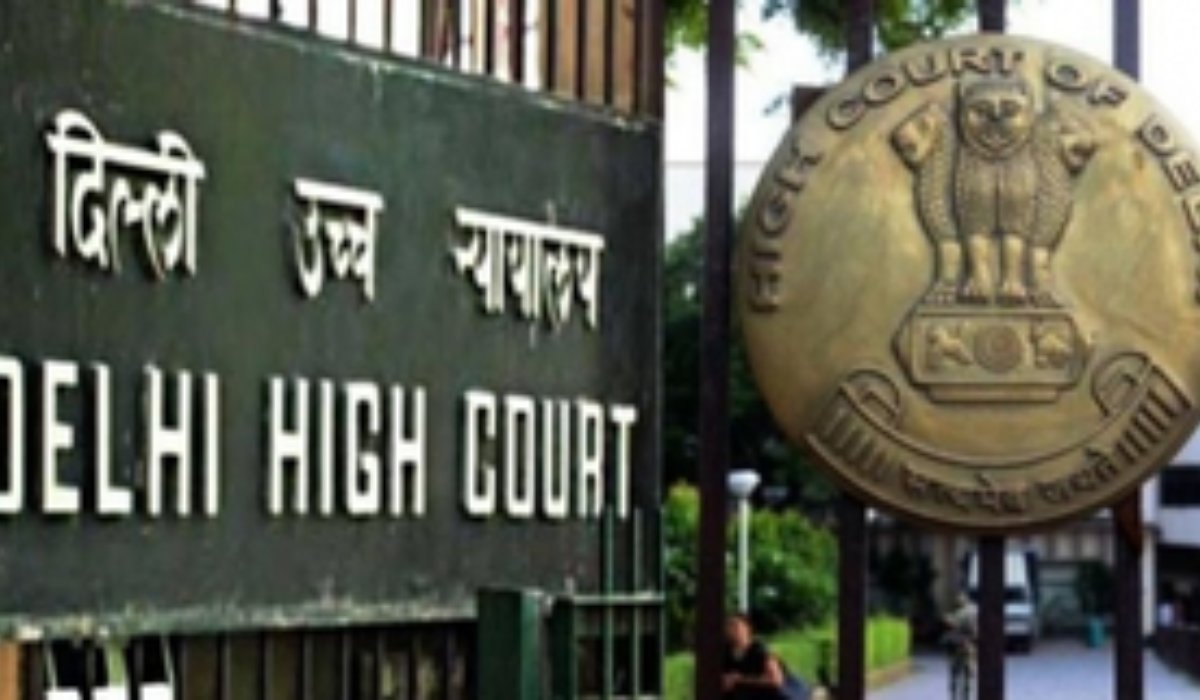
New Delhi: The Delhi High Court has upheld the Election Commission’s (ECI) existing procedure for deletions from the voter list and new addresses during the Special Intensive Revision (SIR). The court rejected a voter’s petition seeking permission to re-include his name in the voter list through Form 8 instead of Form 6.
A bench of Justice Dinesh Mehta and Justice Aditi Chaudhary, hearing the petition of Niloptal Dutta and other petitioners, stated that they could pursue the process of inclusion in the voter list by filing Form 6. In its decision on October 14, the court clarified that the application would be processed in accordance with the law.
Questions raised about deletions during SIR
The petitioners argued that they had moved from their old address to another location when the voter enumeration forms were being filled during SIR. Because of this, they were unable to complete the form as per the prescribed procedure, and their names were removed from the electoral roll.
They requested that the Election Commission be directed to adopt the process of transferring existing voter entries to new addresses through Form 8. They argued that such voters should not be forced to fill out Form 6 to add new names.
What is the difference between Form 6 and Form 8?
The two forms are used for different purposes under the Election Commission’s procedures.
– Form 6: is used to add a name to the electoral roll as a new voter.
-Form 8: is used to apply for a change in address, change of residence, or correction of entries for a person already listed in the electoral roll.
The petitioners demanded that existing voters whose names were removed during the SIR be transferred through Form 8, instead of being asked to apply as new voters.
Election Commission offers option to fill Form 6
Sanjay Vashisht, standing counsel for the Election Commission, told the court that the petitioners’ grievances could be resolved by filing Form 6. Citing Rule 25(2) and Rule 13(1)(a) of the Registration of Electors Rules, 1960, he argued that voters can apply through the prescribed procedure.
The lawyer also pointed out that during the previous hearing, Niloptal Dutta was asked to fill Form 6 and was assured of necessary assistance by the Electoral Registration Officer (ERO). However, the petitioners did not do so.
Court comments on the possibility of false declaration charges
The petitioner feared that filing Form 6 could lead to charges of making a false declaration, as he was already a voter. The Election Commission assured Dutta that he would not be charged with making a false declaration if he added his name through Form 6.
The court took this assurance on record, stating that the Election Commission’s standing counsel was making this suggestion based on the instructions of the Electoral Registration Officer, and therefore, the petitioner’s apprehension was not justified.
In its order, the bench stated that the petitioner may fill out Form 6 if he wishes, and his application will be processed in accordance with the law. With these observations, the High Court concluded the proceedings on the petition.
Petitioners had sought changes in the process
The petitioners had requested the court to align the process for existing voters whose verification could not be completed during the SIR with the Representation of the People Act, 1950, and the Registration of Electors Rules, 1960.
They demanded that the statutory process for correcting existing entries in the voter list and transferring names from one place to another be preserved. This included allowing the use of Form 8. However, the court did not issue any direction on this demand, and allowed the petitioners the option to apply through Form 6.
The Bankshall Court on Sunday remanded seven people arrested in connection with the stampede at the Chorbagan Durga...
Suspected militants allegedly set fire to at least 15 houses belonging to the Kuki tribal community in Chasad...

Good Evening Viewers! End your day with The Savera Times Evening Bulletin, bringing you the latest updates from...

The DRI seized 137 kg of suspected crystal methamphetamine worth over Rs 100 crore in Nagapattinam, Tamil Nadu....

The Central Bureau of Investigation (CBI) team investigating the Ankita Bhandari murder case arrived at Urmila Sanawar's residence...
A tragic road accident occurred outside a Durga Puja pandal in Balrampur, Uttar Pradesh. A car hit seven...
Aries: The day will be auspicious...