Last Updated: October 21, 2026
Last Updated: October 21, 2026





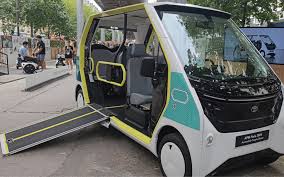
During my daily commute in Delhi, I pass a temple where new cars are regularly inaugurated. Over the past five days, I noticed a distinct pattern: every vehicle garlanded there has been the MG Motor Windsor, the compact electric crossover launched last September.
The Windsor comes with an innovative battery-as-a-service (BaaS) option introduced by MG and JSW. Instead of buying the car with its battery, buyers pay for the vehicle alone, reducing the upfront cost significantly, and lease the battery separately on a usage basis. The battery remains the property of MG’s finance partners, while the customer is responsible for charging it. The battery comes with an unlimited-kilometre lifetime warranty for the first owner, and MG replaces it if it degrades or fails.
Under BaaS, the MG Windsor Excite variant is priced at approximately Rs 9.99 lakh ex-showroom, compared with Rs 14 lakh if purchased with the battery. Battery rental initially costs Rs 3.5 per kilometre, later revised to Rs 3.9, with some finance partners requiring a minimum of 1,500 km per month. Customers sign separate agreements for the car and battery lease, paying only for the battery they use.
The model is particularly attractive for moderate drivers. Over ten years and 1,00,000 km, the total rental paid roughly matches the cost of buying the battery outright. Low-use drivers covering around 6,000 km annually can save significantly, paying only Rs 2-2.5 lakh in battery fees over a decade, compared with Rs 4 lakh for an outright purchase. However, high-mileage users, driving 15,000 km annually, may pay Rs 5-6 lakh in fees, exceeding the battery’s upfront cost.
India’s GST system adds another dimension. Electric vehicles are taxed at 5 per cent, whether sold with or without batteries, but battery services, including rental or subscription, attract 18 per cent GST. Over time, this increases the total cost for BaaS users. Industry associations have requested the government to align GST on BaaS with EVs, citing that the higher tax rate undermines the model’s affordability. The government has acknowledged the issue, but no changes have been implemented yet.
Despite the higher GST, the Windsor’s BaaS model appears to resonate with customers. The lower upfront cost, the flexibility of paying over time, and the assurance of lifetime battery coverage outweigh concerns about higher cumulative payments for many buyers. Families opting for the Windsor suggest that the convenience and reduced initial financial burden are strong motivators, even under the current tax structure.
This approach is shifting the EV ownership landscape in India, making electric mobility more accessible, particularly for those seeking lower upfront expenditure while retaining long-term flexibility.
Start your day with The Savera Morning Brief, bringing you the latest news from India and around the...

Union Home Minister Amit Shah will pay tribute to police martyrs at the National Police Memorial in New...
Four more people, including two women, have been arrested in the Tiger Shroff firing case. Delhi Police are...

We are very proud that at present India is the number one country in the world by surpassing...

Every investor wants the wealth-creating power of equity and the reassuring stability of debt. Balanced Advantage Funds attempt...

Tourism is a major source of government revenue in our country. There are different types of tourism. Scenic...

Aries: The day will be auspicious...