Last Updated: October 28, 2026
Last Updated: October 28, 2026





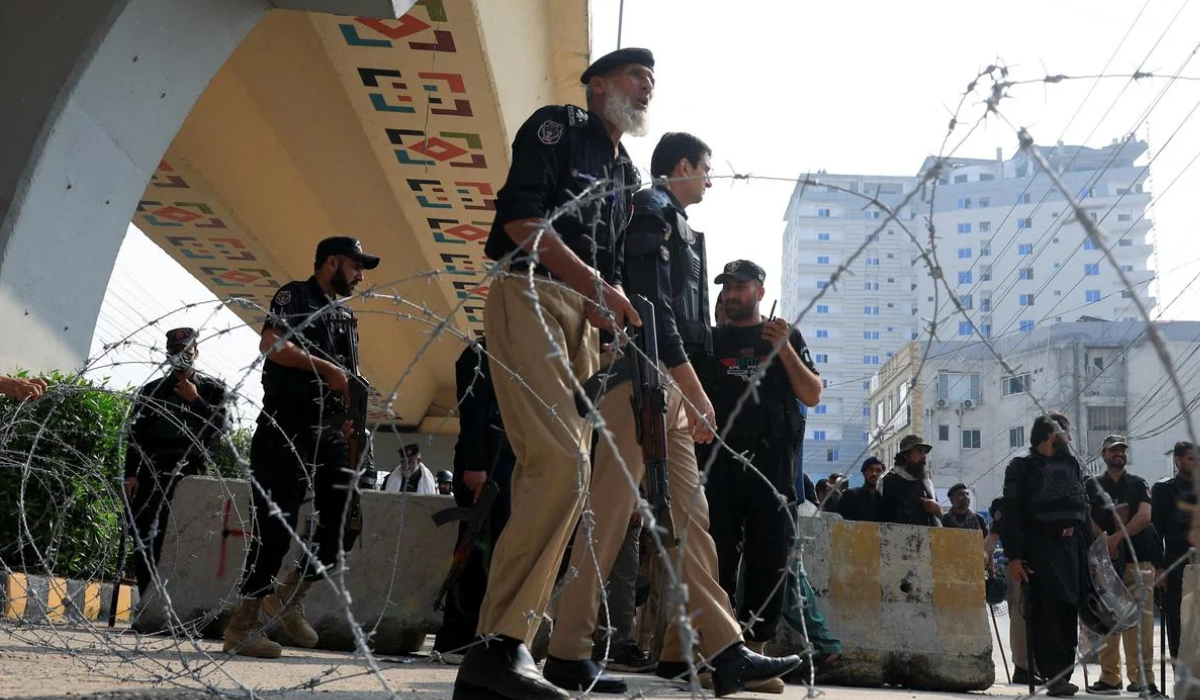
Pakistan government’s imposition of emergency in Khyber Pakhtunkhwa province has showcased administrative failure, weakened provincial autonomy and the military’s increased intervention. The civil-military hybrid government may have quelled the potential political trouble for it, but it has given rise to several problems, concerns, and doubts — all being detrimental to Pakistan’s democracy and stability. The political opposition over the prolonged imprisonment of former Prime Minister Imran Khan could have been handled properly. But the use of the emergency has exposed the administrative failure, weakened provincial autonomy and increased intervention by the military. It would be very difficult for the Islamabad government to convince its people and the international community of the genuineness of the security crisis and to justify the removal of a politically inconvenient but elected government. Pakistan government’s decision removed the Pakistan Tehreek-e-Insaf (PTI)-led provincial government. Notably, Khyber Pakhtunkhwa has continuously witnessed militant violence. However, the Pakistan government has failed to provide evidence of the threats posed by alleged collusion between the Imran Khan-founded party and militants. Pakistan federal government’s decision came as PTI supporters were holding a long march to Islamabad demanding the release of Imran Khan and restoration of constitutional supremacy. Interestingly, the demand for the restoration of constitutional supremacy is a direct challenge to the Pakistani army’s political authority, institutional autonomy, and its growing influence over the civilian government. This assumes huge significance if one takes a look at the 27th Constitutional Amendment of November 2025. It questions the concentration of political and military authority under Munir’s leadership, as he has managed to evade civilian and judicial accountability.
India used its role as Partner Country at SIAL Paris 2026 to showcase climate-resilient farming and women-led agricultural...

Voters are witnessing tremendous enthusiasm during the parliamentary elections in Israel. According to the Central Elections Committee, voter...
Two Indian-origin men found guilty in the deaths of a mother and her four-year-old daughter on their way...

Israelis called for peace and a better future as voting continued in the Knesset elections. Netanyahu urged Likud...

Several people were injured after a car drove into a group in Neustadt am Rübenberge, northern Germany. Police...

Israel's October 27 election is being seen as a major test for Benjamin Netanyahu after years of conflict...

Aries: The day will be auspicious...