Last Updated: October 21, 2026
Last Updated: October 21, 2026





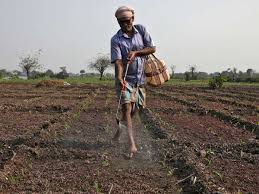
India, with its vast agricultural landscape, is embracing technology to modernize farming and improve livelihoods. Agri-tech innovations are transforming the sector, from precision farming and soil health monitoring to digital marketplaces connecting farmers directly with consumers.
Digital platforms like DeHaat, Ninjacart, and AgroStar are empowering farmers by providing access to seeds, fertilizers, advisory services, and real-time market prices. This reduces dependency on intermediaries, ensures fair pricing, and improves income for small and marginal farmers. Mobile applications offering weather updates, pest alerts, and crop management tips are enabling informed decision-making on the field.
Precision agriculture using IoT devices, drones, and AI analytics is gaining traction. Sensors monitor soil moisture, nutrient levels, and crop health, enabling optimized irrigation and fertilization. Drones are being used for crop monitoring, spraying pesticides, and mapping farmlands, enhancing efficiency and productivity while reducing labor costs.
Government initiatives complement these technological advancements. The Digital Agriculture Mission, Pradhan Mantri Fasal Bima Yojana, and e-NAM (National Agriculture Market) facilitate insurance coverage, market access, and digital record-keeping. Many state governments are integrating AI and satellite imagery for crop yield prediction, pest control, and water management.
Agri-tech is also promoting sustainable practices. Organic farming, hydroponics, and precision irrigation reduce environmental impact, conserve water, and ensure higher-quality produce. Solar-powered irrigation pumps are enabling energy-efficient water usage in rural areas.The economic impact is significant. Agri-tech startups attract domestic and international investment, creating employment in rural areas. Farmers adopting digital tools report increased productivity and income, boosting rural prosperity.
Moreover, farm-to-fork initiatives strengthen supply chains, reduce post-harvest losses, and provide consumers with fresh, traceable produce.
In conclusion, India’s agri-tech revolution is reshaping the country’s farming landscape. By integrating technology with traditional practices, farmers gain better income, sustainable practices flourish, and agriculture becomes more resilient to climate and market fluctuations. This transformation promises long-term growth, food security, and rural empowerment
Union Home Minister Amit Shah will pay tribute to police martyrs at the National Police Memorial in New...

Four more people, including two women, have been arrested in the Tiger Shroff firing case. Delhi Police are...

We are very proud that at present India is the number one country in the world by surpassing...

Every investor wants the wealth-creating power of equity and the reassuring stability of debt. Balanced Advantage Funds attempt...

Tourism is a major source of government revenue in our country. There are different types of tourism. Scenic...

Good Evening Viewers! Catch up on the day's biggest stories with The Savera Times Evening Bulletin. Get the...

Aries: The day will be auspicious...