Last Updated: October 21, 2026
Last Updated: October 21, 2026





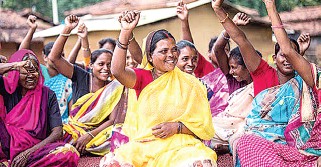
Women empowerment has emerged as one of the most powerful tools for development in India. Across the world, women are taking on leadership roles, breaking barriers, and demonstrating excellence in all spheres of life. In India, empowering women is not only a question of social justice but also a critical driver for national development, economic growth, and societal well-being. Women make up roughly 50 percent of India’s population, yet a significant portion continues to face economic dependence, limited educational opportunities, and social constraints. Strengthening their rights and capabilities is therefore central to building a more equitable and prosperous society.
Women empowerment is about more than ensuring equal rights; it is about enabling women to participate fully in economic, political, and social life. Empowered women can make independent choices, pursue higher education, contribute meaningfully to the workforce, and actively shape the future of their communities. In rural and semi-urban areas, many women still face challenges in accessing education and employment, which hinders their ability to contribute fully to society. By addressing these gaps, India can unlock the immense potential of half its population.
Women are the backbone of society, performing multiple roles each day, from caring for families to contributing in workplaces and community development. Despite this, women often face gender-based discrimination, unequal pay, and social restrictions. Women empowerment initiatives are crucial for overcoming these challenges and enabling women to take their rightful place in all spheres of life.Several factors affect women empowerment in India. Gender discrimination remains a persistent challenge that must be addressed through awareness campaigns, policy interventions, and enforcement of laws ensuring equality. Education is a critical tool for empowerment, providing women with the knowledge, skills, and confidence to make informed decisions. Access to primary, secondary, and higher education helps delay marriage, improve health outcomes, and expand economic opportunities. Incentives such as free textbooks, midday meals, scholarships, and residential facilities can further increase enrollment and retention of girls in schools.
Mass media also plays a pivotal role in transforming societal attitudes. Awareness campaigns highlighting women’s rights, achievements, and contributions help reshape perceptions within families and communities. Media coverage encourages respect for women, promotes gender equality, and motivates men and women alike to support women’s participation in social and economic life. Legislative and programmatic initiatives complement these efforts. India has enacted laws to protect women from sexual harassment, child marriage, dowry-related abuses, and female feticide. Programs focused on rural women, vocational training, and entrepreneurship development enhance women’s self-reliance and decision-making capacity. Effective implementation of these policies ensures that legal rights translate into real opportunities for women.
Empowerment also requires women to take initiative and recognize their own potential. Women must be aware of their rights, challenge traditional limitations, and seize opportunities to improve their status. Self-confidence, determination, and leadership skills are essential for women to transform not only their own lives but also their families, communities, and the nation as a whole.
Empowered women can drive social change by addressing systemic issues such as poverty, illiteracy, and social inequities. By participating in education, governance, and economic activities, women can ensure that development strategies are inclusive and sustainable. This holistic approach to empowerment benefits the entire society and strengthens India’s progress toward equitable growth.Organizations like the Hindrise Foundation play a vital role in promoting women empowerment in India. Through targeted programs focusing on education, health, and rights awareness, the foundation supports the holistic development of girls and women, particularly in rural and underserved areas. Initiatives include access to quality education, nutrition programs, skill development workshops, and community engagement campaigns. By equipping girls with knowledge, confidence, and resources, these programs ensure they are prepared to take on leadership roles in the future.
State and national-level commissions, NGOs, and government programs such as the Development of Women and Children in Rural Areas (DWACRA) work to raise awareness, implement development initiatives, and provide legal and social support. These coordinated efforts help women gain access to employment, education, and healthcare, while fostering gender equality and reducing societal disparities.
A fire in a hut in Nonapar village of Deoria district claimed three lives, including those of a...

Amit Shah paid tribute to police personnel who died in the line of duty at the National Police...

Reduced water levels at Har Ki Pauri and other Haridwar ghats have inconvenienced pilgrims during the Upper Ganga...

Six people returning from a Dussehra Mela were seriously injured when a car hit them on National Highway...

A bus travelling from Pachiound to Ramnagar fell into a gorge at Gulli Gula in Udhampur district. Nine...

Start your day with The Savera Morning Brief, bringing you the latest news from India and around the...

Aries: The day will be auspicious...