Last Updated: October 12, 2026
Last Updated: October 12, 2026





-Abhishek Vij
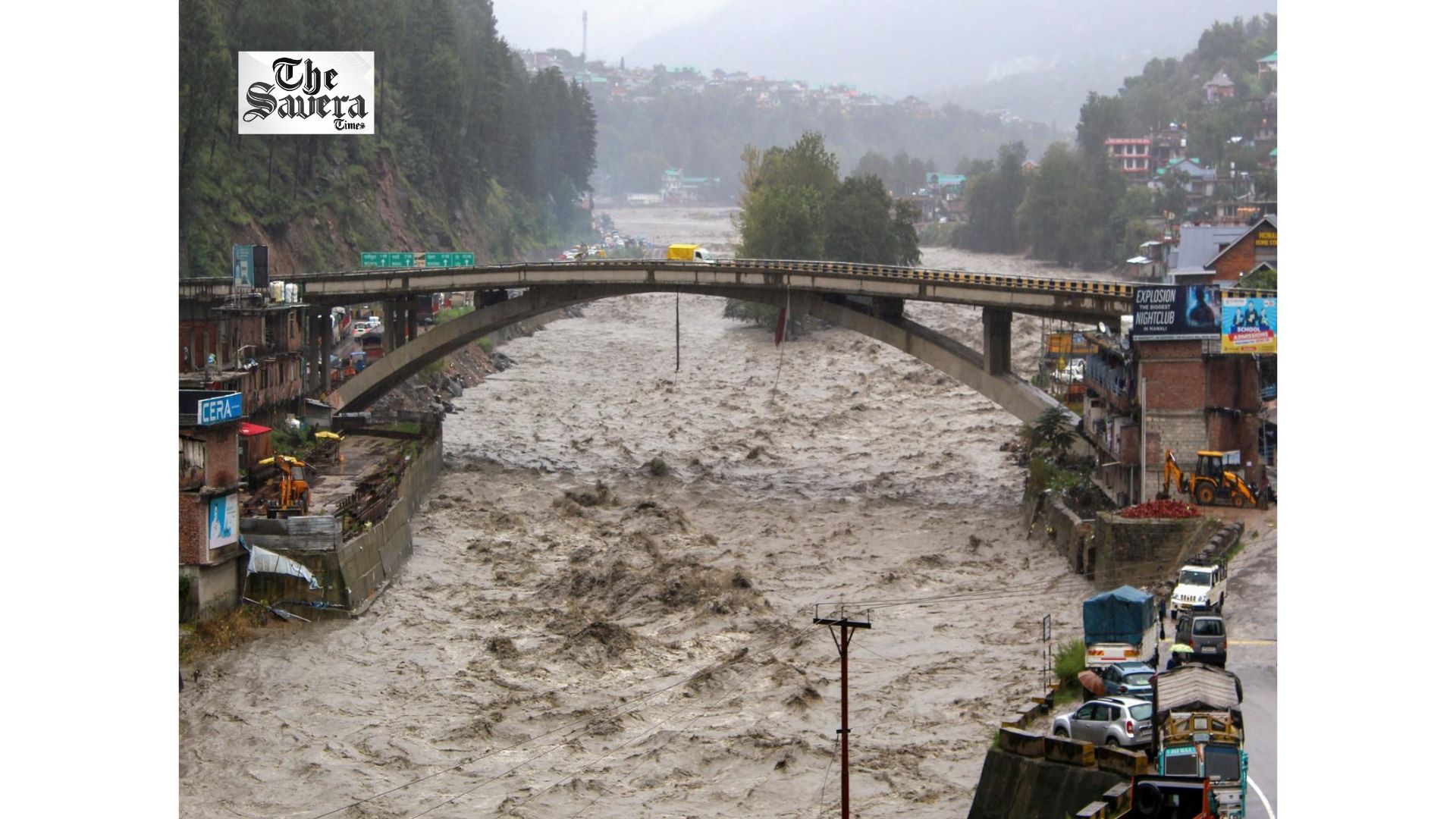
The weather has become erratic in Punjab, Himachal Pradesh, Uttarakhand, and Jammu and Kashmir. El Niño also exhibits uneven behavior, meaning it is weak in some areas and strong in others. In Punjab, only 4-5 districts are receiving rainfall, while 12 districts are facing drought. Himachal Pradesh is also experiencing unusual behavior, with the weather playing hide and seek in both old and new Himachal. Heavy rains are lashing out at some places, disrupting life, and forcing the closure of schools and colleges. The Ghaggar River is in spate in Patiala, Punjab, and the Tangri River in Haryana. A flood-like situation is prevailing in Himachal, with bridges being submerged. The monsoon winds coming from the Bay of Bengal are weak in Punjab, resulting in less rainfall in the Malwa region. In Himachal Pradesh, a yellow alert for heavy rain has been issued for Hamirpur, Chamba, Kangra, Kullu, Mandi, Shimla, and Sirmaur. The floodwaters are causing traffic jams on the roads. The weather is impacting tourism revenues. Due to the weather, tourists are avoiding visiting Himachal. Rainfall in Gurdaspur district of Punjab has broken previous records, breaking a 14-year record. Rising water levels in the Ravi River have halted boat services, cutting off communication with seven districts. Incessant rainfall also caused severe waterlogging in Sri Anandpur Sahib. Mukerian Civil Hospital remained flooded for 10 hours. In Himachal, debris fell on the Kalka-Shimla railway track, blocking it. In Jammu and Kashmir, the weather first disrupted the Shri Amarnath Yatra, and now the pilgrimage to the Vaishno Devi Shrine has been temporarily suspended. Whether it rains heavily or lightly, waterlogging is visible everywhere. This is because unregulated construction has blocked sewerage and drainage channels. Pathankot in Punjab has received the highest rainfall this time, but Patiala district is facing a drought-like situation where only 13.7 mm of rain has fallen so far. On one hand, it is raining, while on the other hand, due to excessive water exploitation, the groundwater crisis is deepening in Ludhiana and Jalandhar of Punjab. Water is being exploited more than the availability of groundwater. Overall, the level of water exploitation in Punjab has exceeded 156 percent. Now, despite the availability of water at many places, the groundwater crisis is deepening. Another reason is that we have not installed recycling plants for used water, and if installed, they have not been made functional till now. Pipes are being laid underground in metropolitan cities, but the work hasn’t been completed yet. The incomplete roads are in poor condition, disrupting traffic. In such a situation, administrative claims that they are fully prepared to face the weather this time fall flat. The first rain itself reveals the extent of the preparedness. Even an hour of heavy rain can leave water standing on the main roads for several hours. Due to a lack of proper drainage systems in metropolitan areas, water remains stagnant for days. Standing water has no other option but to spread disease to the public. Looking at rainfall data for Punjab, Himachal, Uttarakhand, and Jammu and Kashmir reveals how erratic the weather has been this year. Heavy rains, floods, and floods occur in some areas, while drought-like conditions are prevalent elsewhere. Farming is the most affected, as scanty rainfall can make irrigation difficult, and excessive rainfall can destroy crops. This erratic weather is exacerbating the problems of the common man.
Good Evening Viewers! Stay updated with The Savera Times Evening Bulletin for the latest news from Punjab, India...

eader of the Opposition in the Lok Sabha, Rahul Gandhi and 10 other INDIA bloc leaders have moved...

Amidst protests in central Delhi, the Delhi Metro Rail Corporation (DMRC) announced the reopening of entry and exit...
The Delhi Police has registered an FIR regarding the alleged disturbance at the Bangla Sahib Gurdwara in...
The Delhi Police on Monday removed Jantar Mantar from the list of officially designated protest sites. The police...
The Supreme Court on Monday clarified that it has not passed any judgment on the Election Commission's (ECI)...
Aries: The day will be auspicious...