Last Updated: October 21, 2026
Last Updated: October 21, 2026





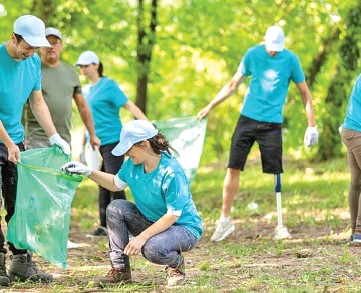
Societies often celebrate grand achievements—economic growth, technological breakthroughs, or landmark political decisions. Yet the true strength of any society lies not in these headline moments, but in the small, everyday acts of civic responsibility performed quietly by ordinary people. These acts rarely attract attention, but they form the invisible framework that keeps communities functioning.
Civic responsibility begins with simple behaviour: following rules, respecting shared spaces, and recognising that individual actions have collective consequences. Standing in line, obeying traffic signals, disposing of waste properly, or paying taxes honestly may seem mundane. However, when such habits weaken, social trust erodes quickly. The cost is borne not by governments alone, but by citizens themselves.
One of the most overlooked aspects of civic responsibility is respect for public resources. Roads, parks, schools, hospitals, and water systems exist through shared investment. When people vandalise property, waste electricity, or misuse public services, the burden shifts to others—often those least able to bear it. Responsible use of common resources is not merely a legal obligation; it is an ethical one.
Civic responsibility also extends to interpersonal conduct. Tolerance, patience, and empathy are essential for peaceful coexistence in diverse societies. Disagreements are inevitable, but the willingness to resolve them without aggression determines whether diversity becomes a strength or a fault line. Everyday courtesylistening, disagreeing respectfully, and avoiding dehumanising languageplays a powerful role in maintaining social harmony.
During crises, the value of civic responsibility becomes unmistakable. Natural disasters, health emergencies, or economic disruptions expose the consequences of collective behaviour. When citizens cooperate, share resources, and follow public guidelines, damage is contained. When they act selfishly, crises deepen. The difference often lies not in state capacity alone, but in social discipline.
Importantly, civic responsibility is learned, not imposed. Families, schools, and communities shape attitudes toward duty and fairness. Children who observe adults respecting laws and helping others internalise these norms.
Over time, such values become habits rather than enforced obligations. Societies that invest in civic education tend to experience higher trust and lower conflict.
Modern life, however, poses challenges. Rapid urbanisation, digital anonymity, and social polarisation weaken a sense of shared responsibility. When individuals feel disconnected from their neighbours, concern for the collective declines. Rebuilding this connection requires conscious effort—community participation, volunteerism, and local engagement.
Civic responsibility does not demand heroism. It requires consistency. A society where most people act responsibly most of the time is far more resilient than one dependent on strict enforcement or fear of punishment. Laws matter, but social norms matter more.Ultimately, strong societies are built not only by institutions, but by citizens who recognise that their daily choices matter. Small acts—repeated quietly—create stability, trust, and dignity. In a world searching for quick solutions, civic responsibility reminds us that lasting strength often grows from ordinary behaviour.
Start your day with The Savera Morning Brief, bringing you the latest news from India and around the...

Union Home Minister Amit Shah will pay tribute to police martyrs at the National Police Memorial in New...

Four more people, including two women, have been arrested in the Tiger Shroff firing case. Delhi Police are...
We are very proud that at present India is the number one country in the world by surpassing...
Every investor wants the wealth-creating power of equity and the reassuring stability of debt. Balanced Advantage Funds attempt...

Tourism is a major source of government revenue in our country. There are different types of tourism. Scenic...

Aries: The day will be auspicious...