Last Updated: September 22, 2026
Last Updated: September 22, 2026





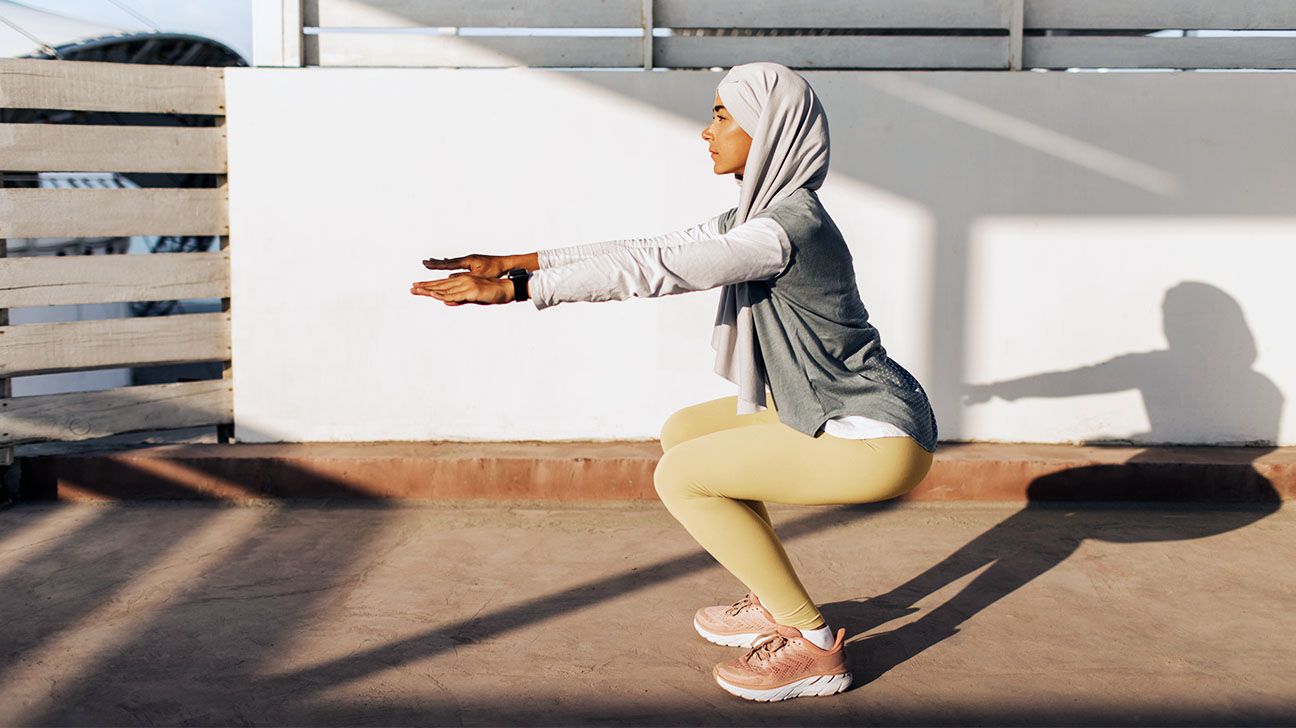
A positive attitude towards physical activity may be linked to less anxiety about ageing. According to researchers who evaluated findings from a multi-state study, gender, age, marital status, and money influence perceptions of exercise and ageing, but reframing messaging about both can lead to more healthy behaviours.
“As this large demographic ages, it’s really important to support health promoting behaviors and have an approach that focuses on prevention — not just treatment — when it comes to chronic diseases. To do that, we need to know what their needs are and how best to address those needs,” says Sarah Francis.
Francis holds many titles at Iowa State University: professor and Jane Armstrong Endowed Chair of Food Science and Human Nutrition, College of Human Sciences’ interim associate dean for Iowa State Extension and Outreach and interim director for Human Sciences Extension and Outreach. But Francis introduces herself as a healthy ageing advocate, implementation scientist and registered dietitian.
In 2010, she joined a US Department of Agriculture multistate project that brought together experts in physical activity, clinical nutrition and community health programming to support healthy aging. Part of their research has focused on identifying factors that influence physical activity, like “aging anxiety.”
Francis explains this anxiety encompasses fears and concerns about losing autonomy and relationships, physical and psychological changes, and discomfort or lack of enjoyment being around older people.
“Previous research has shown that if you have high anxiety about aging, you have poor health outcomes. But if you view it more positively as a life stage, you have better health outcomes. You’re more likely to make lifestyle changes that benefit you in the long run,” says Francis.
A cross-section of experiences, perspectives
To understand how aging anxiety relates to physical activity and other factors, like age, gender, marital status and income, the team designed a 142-question online survey and recruited participants through Qualtrics.
Francis explains they wanted a cross-section of urban, suburban and rural residents and included people as young as 40 to understand how different aspects of aging anxiety shift with age. In total, 1,250 people from Washington, D.C. and six states, Iowa, Illinois, Maryland, Rhode Island, South Dakota and West Virginia, responded to the survey.
Among the original findings, participants who identified as African American had a higher interest in health-related programs.
Self-medication is a global phenomenon and a potential contributor to antimicrobial resistance. The adverse consequences of such practices...
There is a crucial link and health and the current status of Delhi stands as a testimony to...

(Can we remove pain forever) A young woman, Ivy, once entered past-life regression therapy because her present relationship...
Scientists at the University of California, San Francisco (UCSF) and the University of California, Berkeley have identified two...

The government will monitor the implementation of new UPI MDR charges to ensure merchants do not pass the...

Are you wondering why your waistline is expanding? Don’t watch what you eat; watch how you eat. People...

Aries: The day will be auspicious...